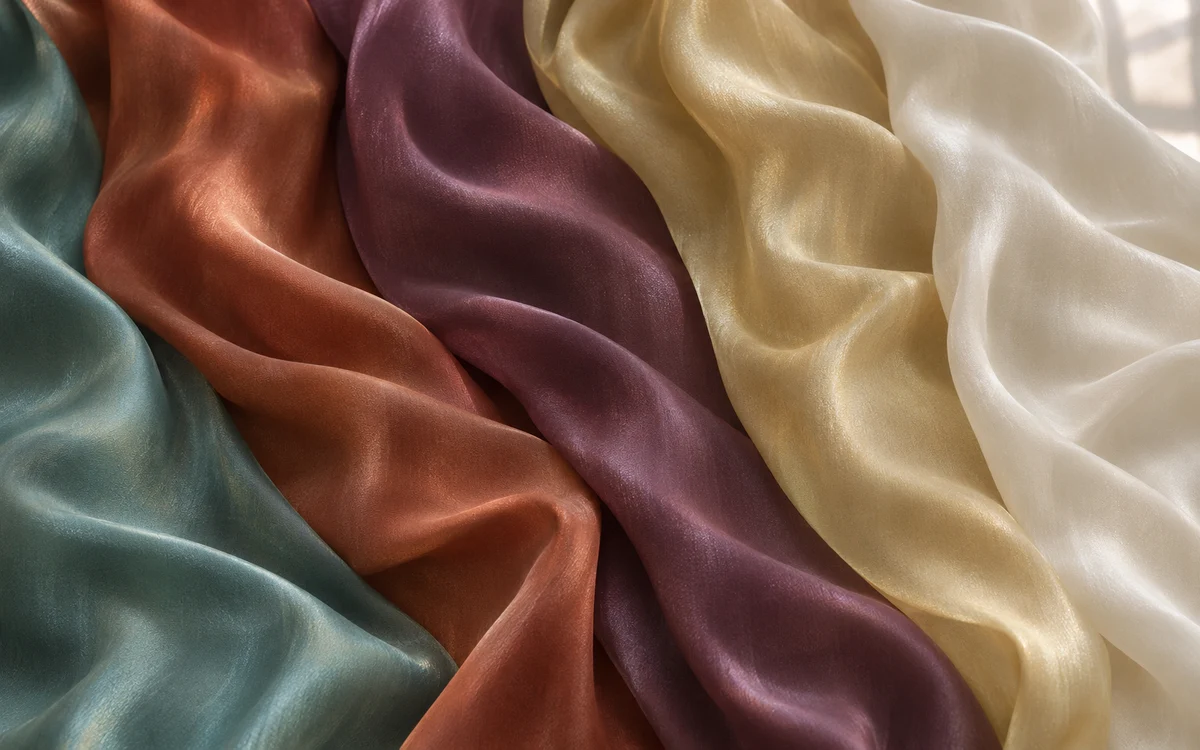
Acetate is a manufactured cellulosic fiber, not a weave or a synonym for silky polyester. Confirm the exact composition, compare physical samples, and validate care and garment performance before ordering.
Cupro is a regenerated cellulose fiber used in smooth garment linings, dresses and lounge apparel. Compare its construction and care with viscose and polyester before ordering.
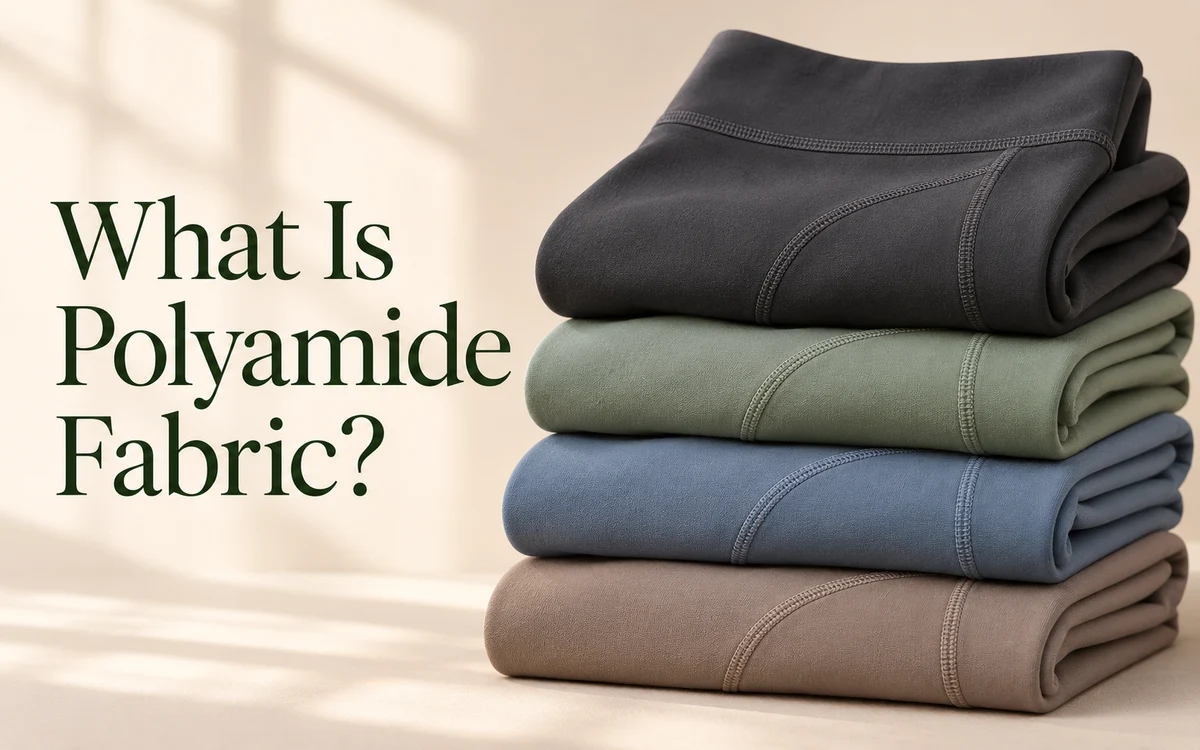
Polyamide on clothing labels usually means nylon. Learn how fabric construction and elastane affect performance, where nylon is used, and how to compare it with polyester.
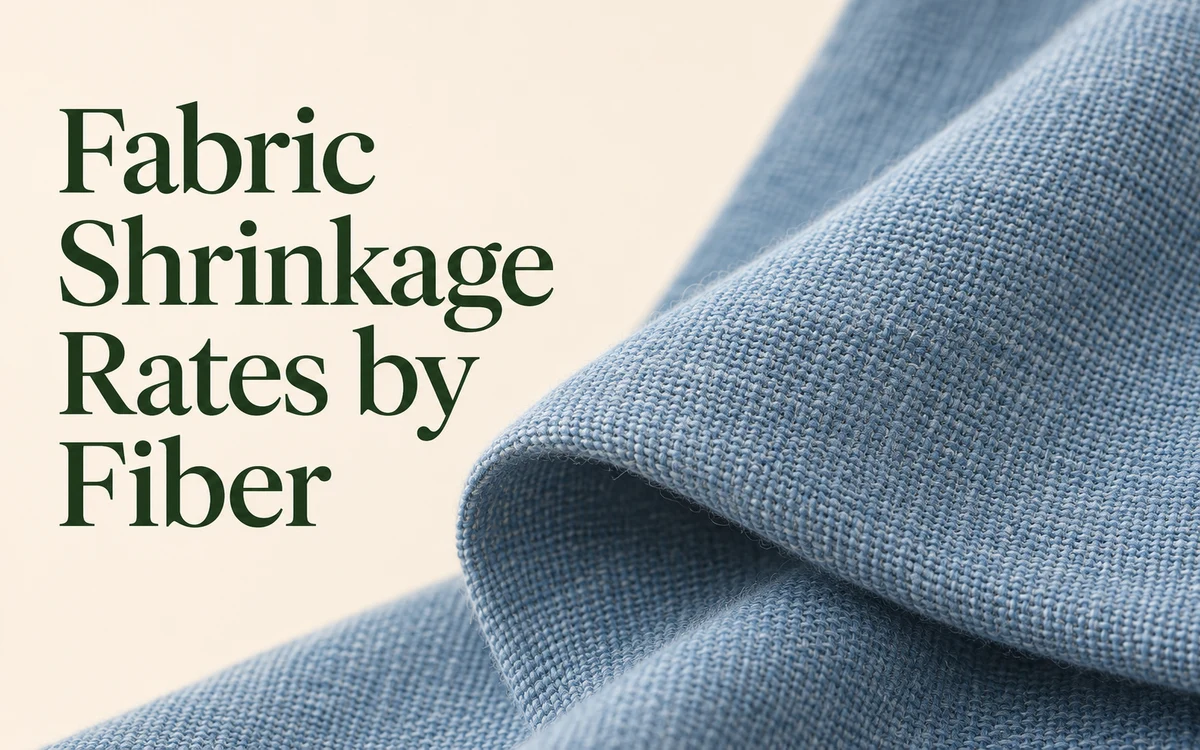
The supplied examples range from 0.5–3% for polyester fabrics to 5–8% for linen. Actual shrinkage after washing depends on construction, finishing, care conditions and the direction measured.
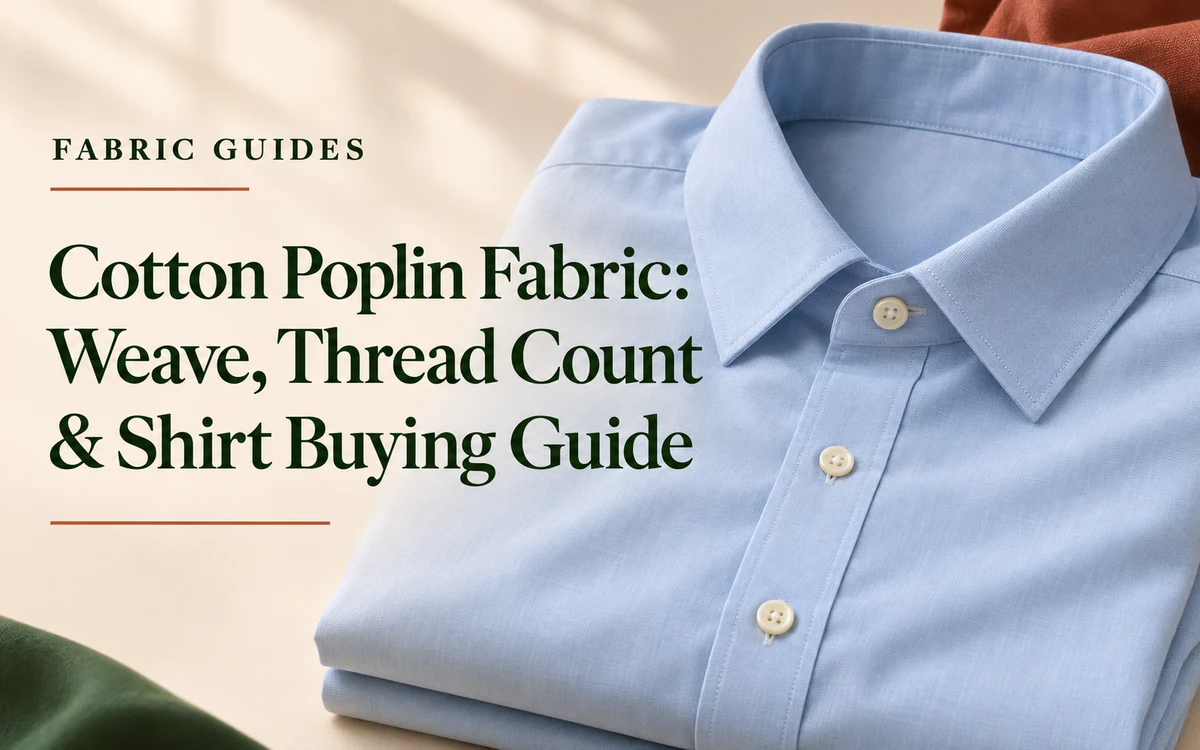
Cotton poplin is a closely woven plain-weave fabric valued for a smooth, crisp shirt feel. Its warp is often more densely packed than its weft, but poplin is a construction description—not a guarantee of 100% cotton, a fixed thread count or premium quality.
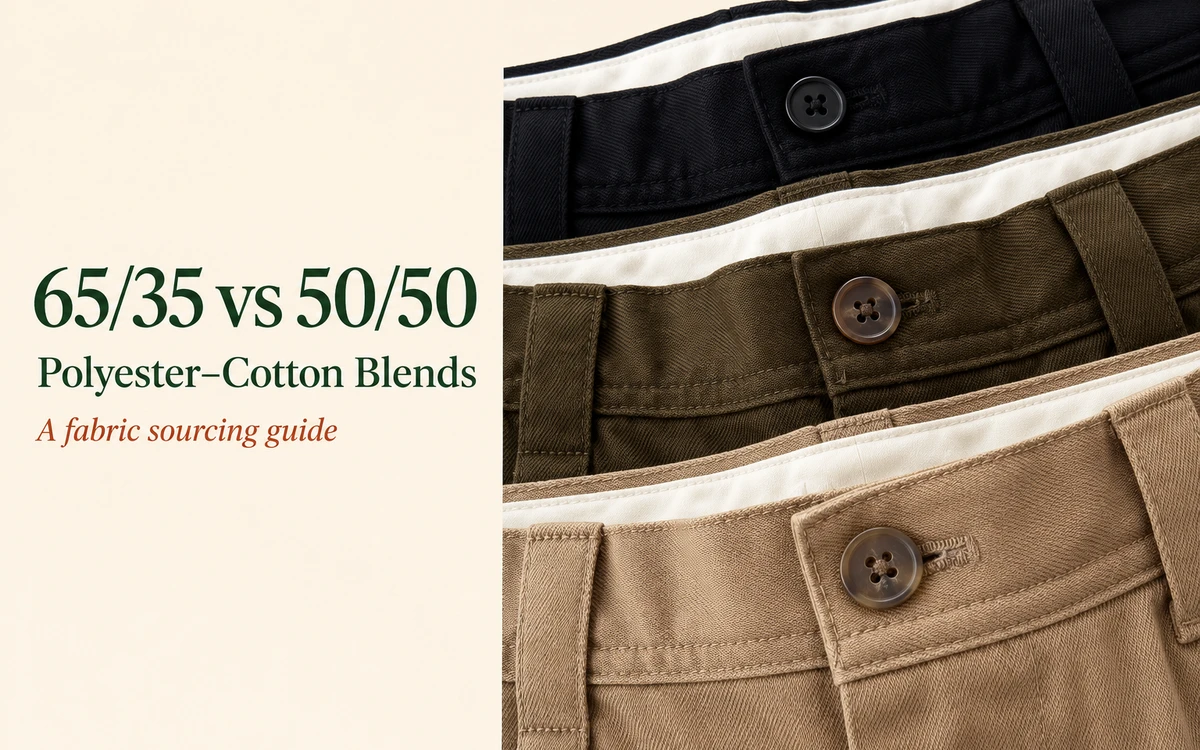
65% polyester and 35% cotton is a familiar easy-care workwear blend, but it is not a universal optimum. Compare it with 50/50 and cotton-rich options using the same fabric construction, finished weight and wash requirements—not the blend ratio alone.
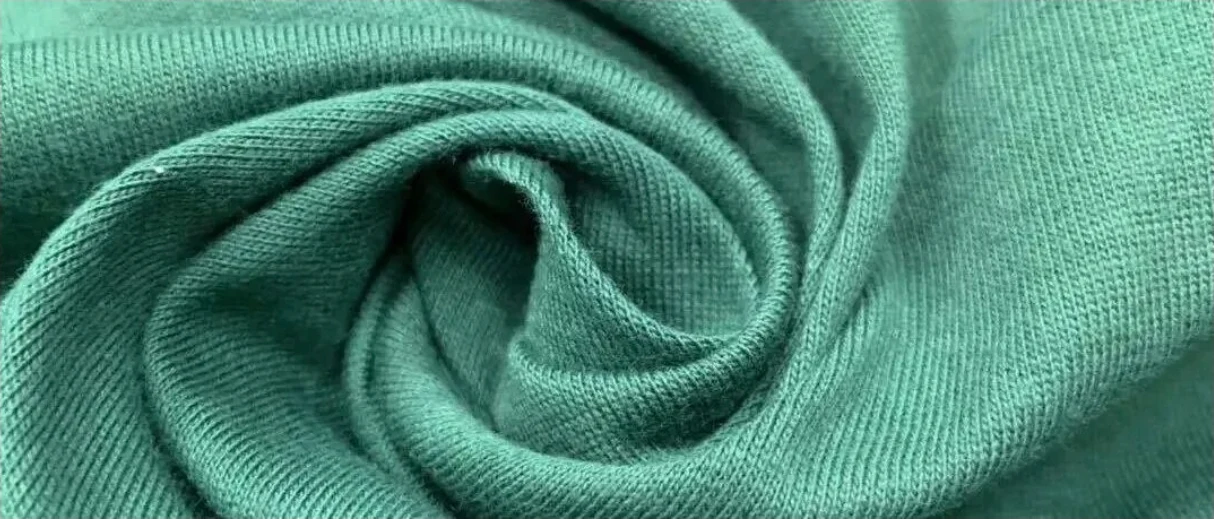
Single jersey is a basic weft-knit structure used in many T-shirts and underwear styles. Its intermeshing loops give it softness and stretch, but also make edge curling and unraveling important sourcing considerations. Yarn count, finished GSM and garment construction must be assessed together.
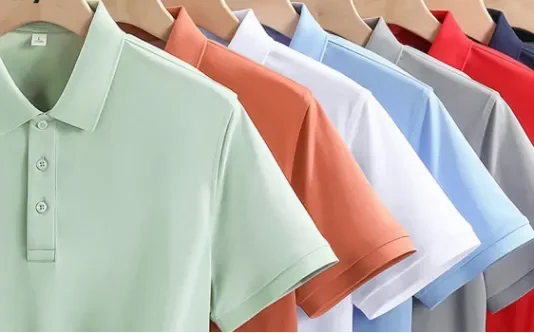
Pique describes a textured fabric structure, not a fiber. For polos, compare knit construction, composition, GSM, collar compatibility and wash performance rather than assuming every PK fabric feels or performs the same.
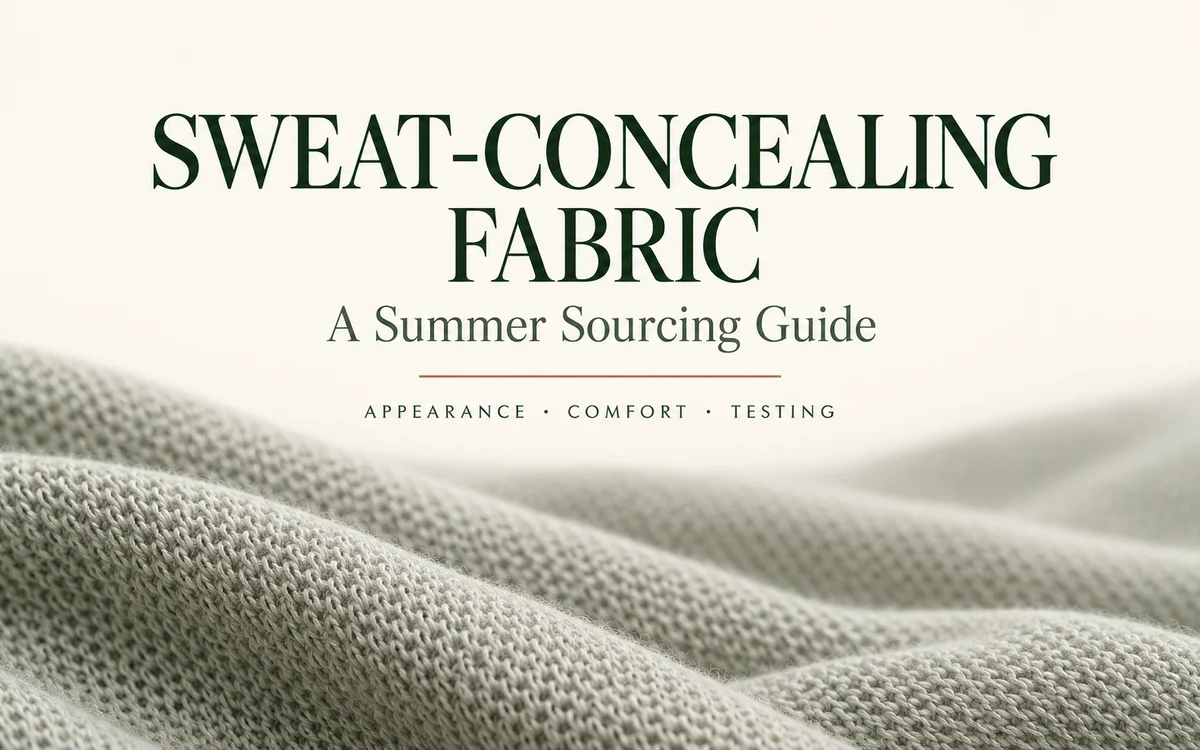
Sweat-concealing fabrics reduce the visible appearance of moisture. Compare technical routes, shade-specific results, wash retention and garment comfort before treating an invisible-sweat claim as a production specification.
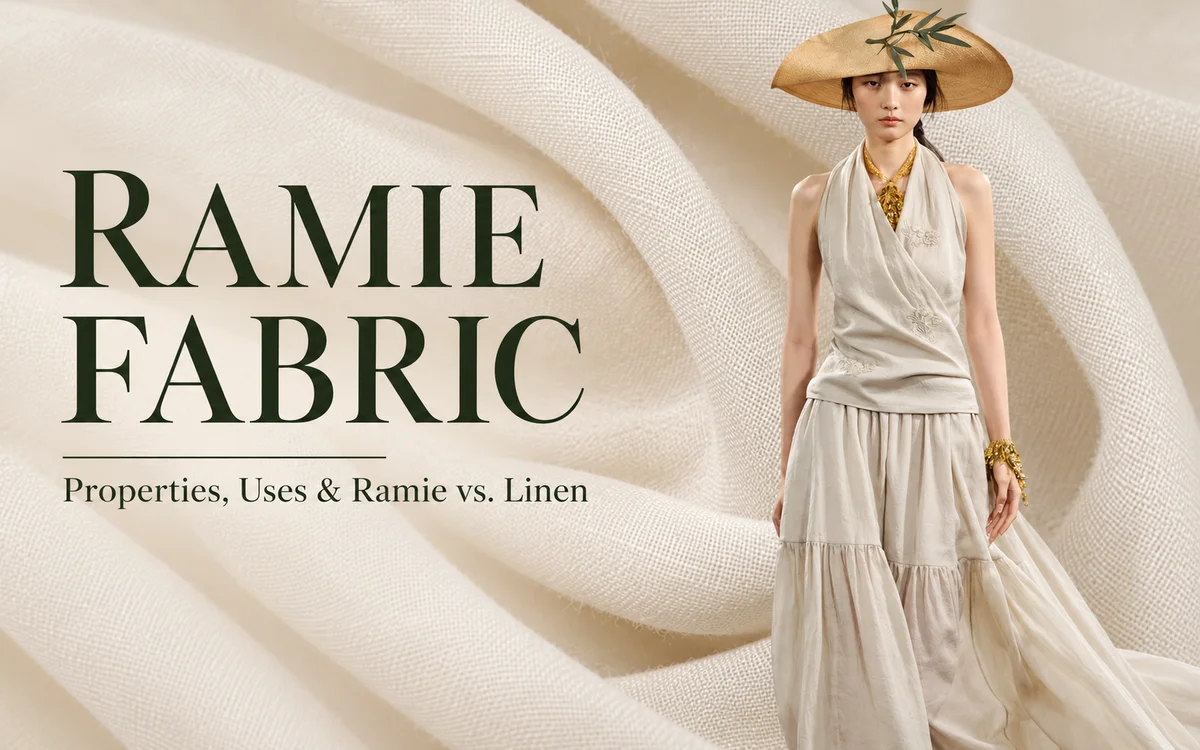
Ramie is a natural bast fiber known as China grass. It can produce lustrous, crisp summer fabrics, but comfort, transparency, wrinkling and durability depend on the finished construction. Compare it with linen before choosing.
Modal is a wood-pulp-based regenerated cellulosic fiber used in soft underwear, loungewear and tees. Its finished performance depends on yarn, construction, blend and care—not the fiber name alone.
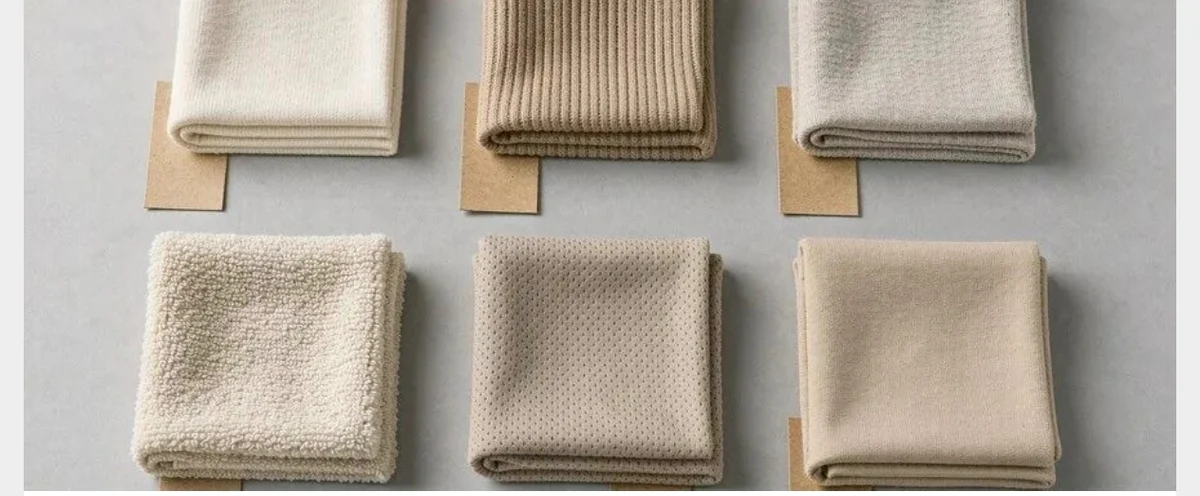
A knit category name is only the starting point. Compare structures, yarn specifications, finished GSM, usable width and finishing requirements, then turn a vague request into an order the mill can actually verify.
Seeing Red shows how deadstock fabric can shape a garment’s identity. Explore its material-led outerwear, BioPuff collaboration, and the sourcing opportunities—and limits—for emerging brands.
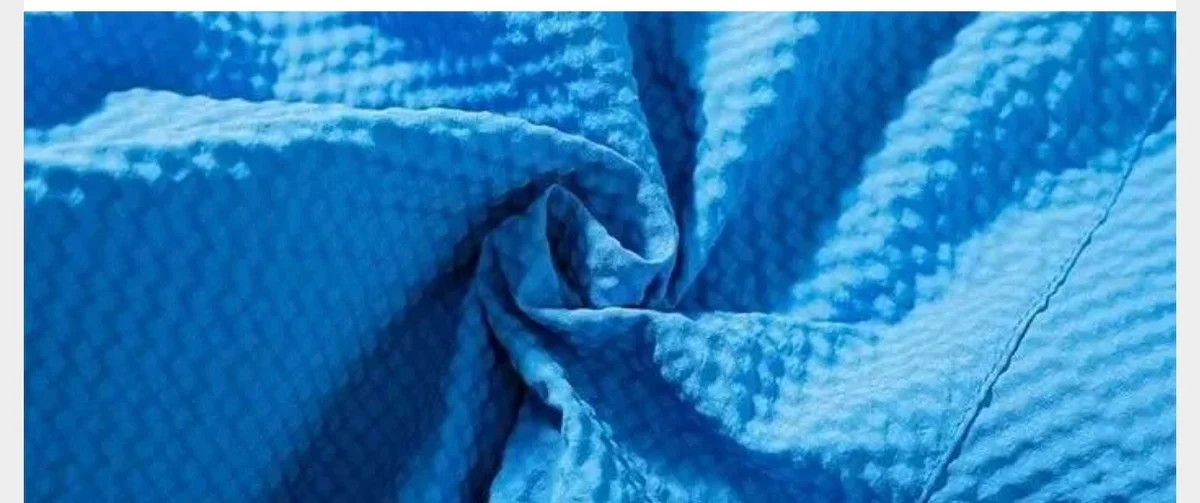
Understand how woven and chemically puckered seersucker differ, choose cotton or polyester/cotton blends, and define practical specifications and washing checks before ordering.
A skirt can collapse or stand too stiffly even when the pattern is sound. Learn what the drape coefficient measures, why softer is not always better, and how to match material behavior to the intended silhouette.
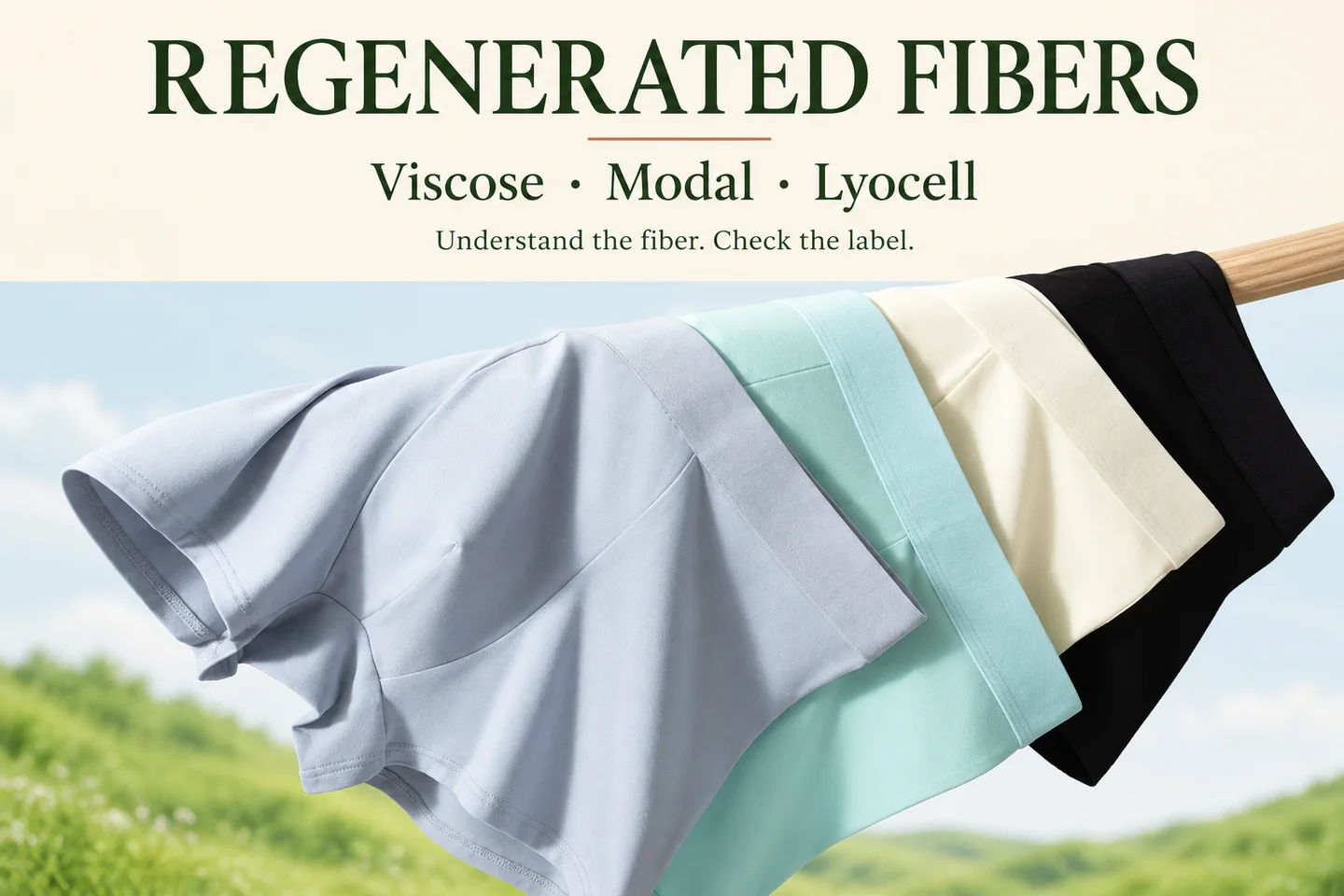
Modal and lyocell are regenerated cellulosic fibers; TENCEL™ is a brand that includes both. Learn how the fiber families fit together, what the processes change, and what to check before sourcing underwear or base layers.
Searching for “souffle fabric banned”? Historic sheer couture soufflé and today’s fluffy Soufflé Yarn knits are different textiles. Understand the fire-safety distinction, then compare modern knit blends, specifications and sourcing prices.
A narrow fabric strip, a ruler and a cup of water can show how readily a material transports liquid. Here is how to run a consistent 30-minute comparison, what fiber and finishing change, and what the test cannot tell you about quick drying.
A 180 GSM nylon-spandex knit can give a T-shirt a smooth hand, useful stretch and a lighter everyday feel. The weight is a starting point, not a promise of opacity, quick drying or shape retention. Here is how to evaluate the fabric, its cost and its printing route before placing an order.
You do not need a factory or a full collection to start a clothing brand. Pick one buyer, one product and one way to sell it; then make a small, testable first run.