What Is Souffle Fabric?
In the domestic apparel market, "Souffle Fabric" (often referred to as Souffle Yarn or Souffle Knit) doesn't denote a single, rigid fiber composition. Instead, it refers to a class of knit yarns and fabrics known for their lofty, cloud-like, and ultra-soft air-spun texture. The term gained widespread consumer recognition largely through Uniqlo’s popular Fall/Winter knitwear collections.
The name originates from the French word soufflé, meaning "puffed up" or "blown"—originally referring to the airy, delicate French dessert. When applied to textiles, the term describes a tactile experience that is lightweight, soft, fluffy, and completely itch-free against the skin—much like wearing a freshly baked soufflé.
Souffle fabric is not defined by a single fiber type. Core-spun yarns with an elastic core are one possible route, alongside other high-bulk and brushed constructions. Acrylic, polyester, nylon, cotton, viscose or wool may contribute to the soft, lofty result. The trade name alone does not identify the yarn structure or guarantee that every wearer will find it itch-free.
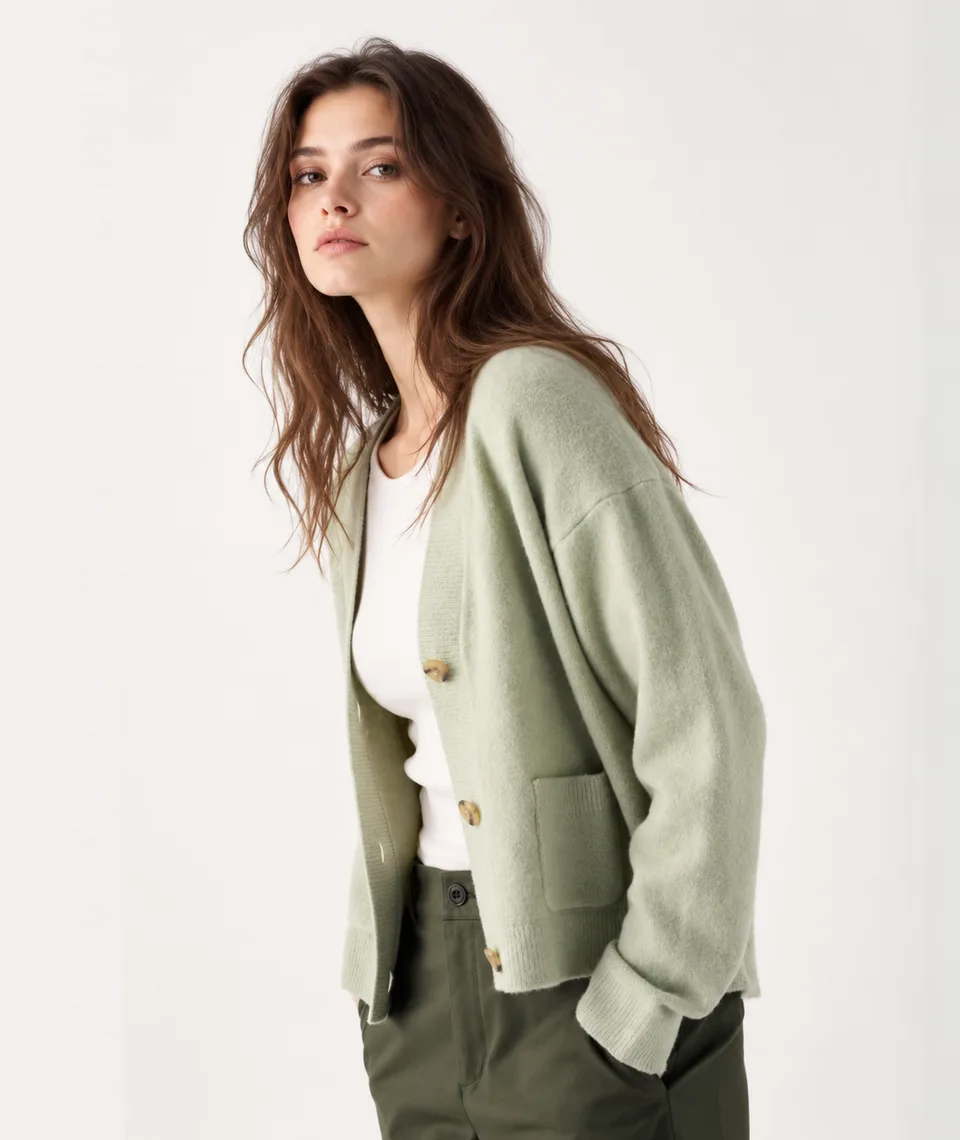
For a concrete retail example, UNIQLO lists a Soufflé Yarn Relaxed Cardigan made with brushed yarn and an acrylic/polyester/wool/elastane blend. Its short-cardigan range also warns that friction can cause pilling. These product examples show why a soft hand feel and long-term durability need to be considered separately. [1] [2]
How Does Souffle Fabric Differ from Traditional Sweaters?
Traditional knitwear is categorized primarily by fiber content—such as 100% wool, cashmere, or cotton. In contrast, souffle knits emphasize tactile hand-feel and structural engineering:
Softer, richer hand-feel: Exceptional squishiness and velvet-like smoothness.
Higher loft: Built-in airy volume with superior spatial bulk.
Low skin irritability: Gentle enough to be worn directly against the skin or in base layers.
Lightweight warmth: Noticeably lighter than traditional woolen knits of equivalent thickness.
Quality depends on finishing: Anti-pilling performance, wash recovery, and shrinkage rates vary significantly depending on yarn quality and post-treatments. The term "souffle" alone is not a guarantee of structural durability.
In short, souffle fabric is best understood as a sensory fabric concept centered around a "cloud-like, buttery, and airy" hand-feel, rather than a fixed composition standard.
Common Compositions and Manufacturing Characteristics
The fiber blends in souffle knits vary widely. Below are the most prevalent market formulations: Confirm the percentages and yarn construction for the actual sample before comparing offers.
| Category | Typical Blend / Direction | Key Features |
|---|---|---|
| Basic High-Loft | Acrylic/Polyester + Spandex | Low cost, strong loftiness; ideal for mass-market fashion knits. |
| Skin-Friendly | Cotton/Viscose/Modal + Elastic Core | Extra soft against the skin; ideal for kidswear and loungewear. |
| Upgraded Premium | Wool/Merino/Cashmere Blends | Superior insulation, rich texture, higher price point. |
| Lightweight Summer | Cotton-Linen / Ice Silk Blends | Enhanced breathability, with a milder, less voluminous loft. |
Manufacturing and Finishing
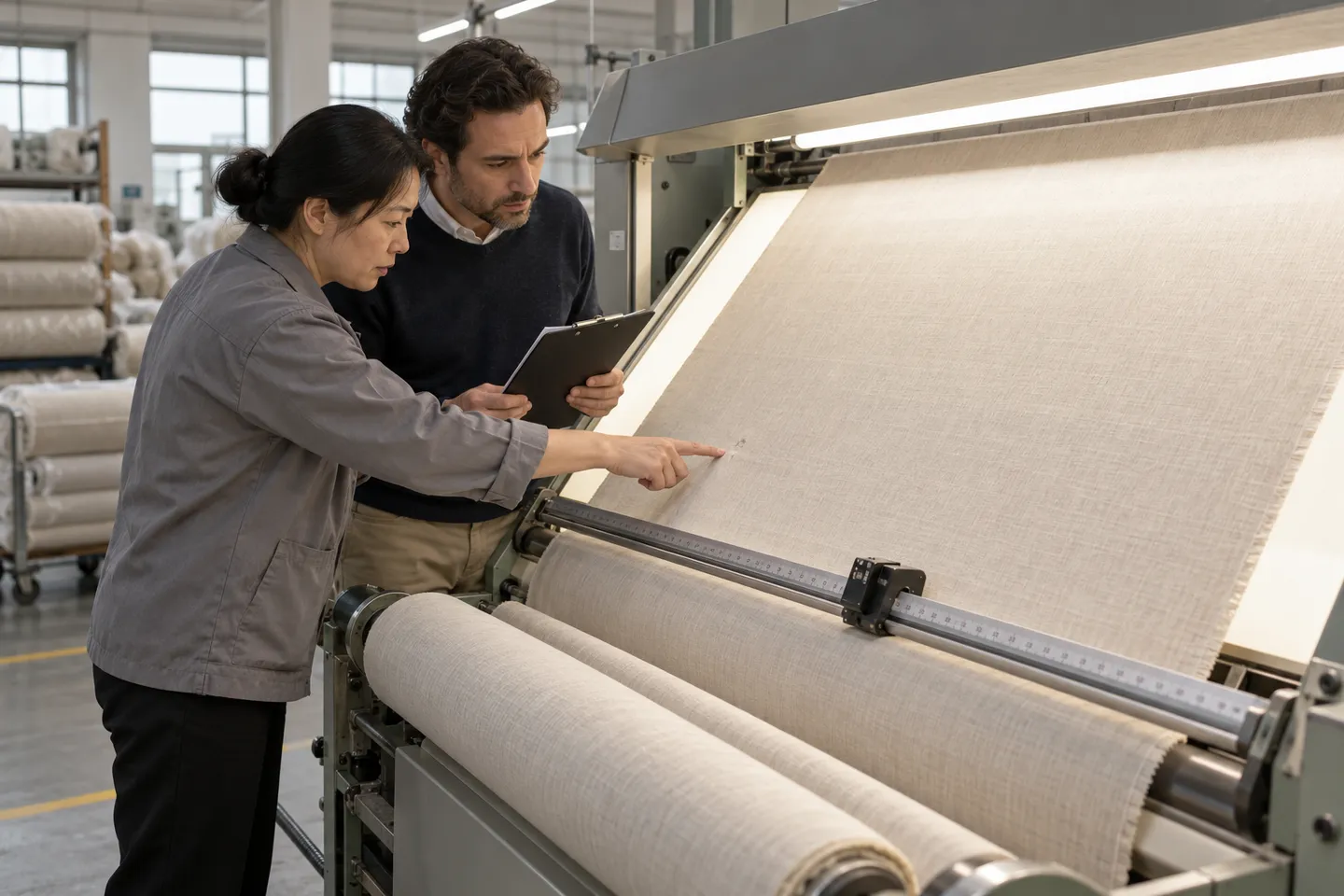
Process-wise, souffle knits rely on more than just heavy-gauge knitting. They require specialized finishing processes such as brushing, soft-hand processing, anti-pilling treatments, and preshrinking. Well-executed post-finishing maintains a stable hand-feel over time; poor processing can result in stiffening, structural warping, or premature pilling after washing.
Primary Garment Applications
Souffle knit fabric is best suited for Fall/Winter next-to-skin or semi-fitted knitwear, though lightweight variations are also adapted for summer collections.
Popular garment styles include:
Crewneck and mock-neck knit tops
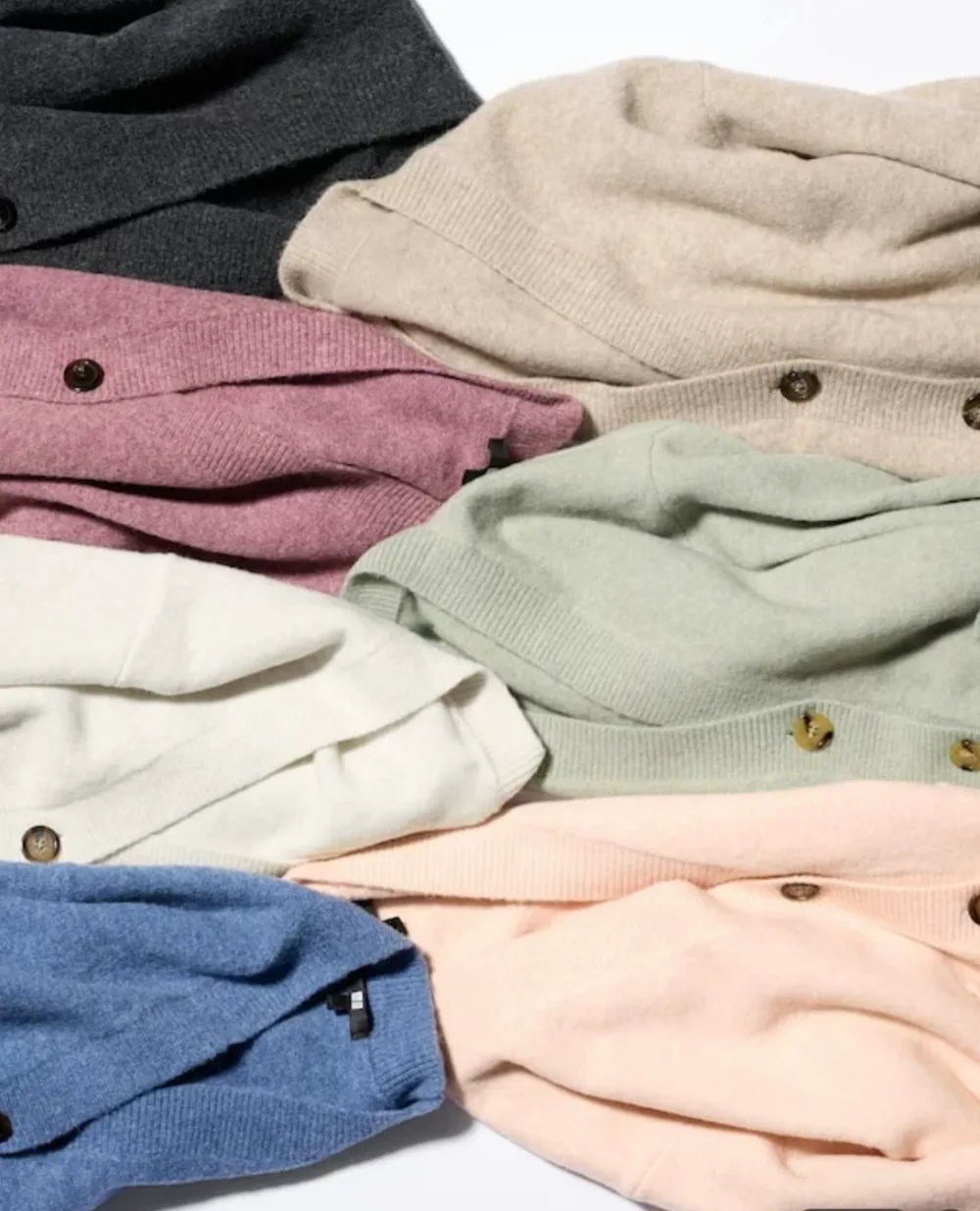
Zippered and button-down cardigans
Oversized, relaxed-fit pullovers
Children’s knitwear and cozy loungewear
Ultra-soft base-layer tops
Summer cotton-linen or ice-silk "souffle-touch" knit tees
The defining aesthetic of souffle apparel is relaxed, gentle, pastel/cream-toned, and completely non-scratchy.
Weight & Specification Ranges
Because there is no standardized industry definition for souffle knits, fabric weight (GSM) varies depending on yarn count, gauge, season, and garment silhouette.
General Industry Benchmarks:
Fall/Winter Sweaters & Cardigans: ~200–320 g/m²
Lightweight Base Layers / Loungewear: ~160–220 g/m²
Summer Light Knits: Often below 180 g/m²
Cuttable Width: Commonly around 160–185 cm
Pricing Structure: In major textile hubs like Keqiao, knit fabrics are predominantly quoted in USD/RMB per kilogram ($/kg), which garment factories then convert into price per meter or yield per garment.
Formula for Converting Price Per Kilogram to Price Per Meter:
Price per meter ≈ Price per kg × Fabric weight (kg/m²) × Width (m)
Example: For a fabric with a width of 1.75 m, a weight of 0.24 kg/m² (240 GSM), and a raw price of 45 RMB/kg:
45 × 0.24 × 1.75 ≈ 18.9 RMB/meter
(Note: This is an estimated base cost. Actual sourcing prices must account for waste allowance, paper tube weights, taxes, post-finishing costs, and order volume).
These roll-width and GSM figures apply to fabric sold by area or weight. Fully fashioned sweaters and cardigans may instead be purchased as yarn and knitted panels, so costing them solely by cuttable fabric width would not be appropriate.
Understanding Market Benchmarks (Keqiao Sourcing Reference)
While there is no official index specifically for "souffle knits," sourcing benchmarks can be estimated based on current knit fabric market conditions in Keqiao:
| Category | Reference Price Range (Keqiao) | Notes |
|---|---|---|
| Standard High-Loft Knit | ~30–60 RMB/kg | Primarily polyester/acrylic; lower for bulk volume. |
| Cotton / Viscose / Modal Blend | ~40–70 RMB/kg | Superior skin-friendliness, higher raw material cost. |
| Wool / Cashmere Blend Upgrade | ~60–100+ RMB/kg | Varies by natural fiber percentage and yarn grade. |
| Dyeing & Finishing Fee | ~1–4 RMB/meter | Standard range for basic knit dyeing; special finishing extra. |
What These Price Ranges Include
These figures represent broad market references rather than fixed contract rates. Final quotations depend on exact fiber blends, GSM, width, color count, stock availability, and special treatments (e.g., anti-pilling or low-shrinkage processing).
Why Do Prices Vary So Widely?
The wide cost variance in souffle fabric is driven by yarn engineering and order scale rather than branding terminology.
Fiber Composition Disparities:The cost gap between 100% synthetic lofty yarns (polyester/acrylic) and natural blends containing cotton, wool, or cashmere is substantial.
Complex Yarn Engineering:Souffle fabric relies on core-spun, high-bulk, or brushed yarns rather than standard flat yarns. The fluffier the yarn structure, the harder it is to control during production.
High Finishing Requirements:Treatments for anti-pilling, extra softness, low shrinkage, color fastness, and post-wash stability add incremental costs at every step.
Dyeing & Batch Sizes:Dyeing a single color per vat versus splitting a batch across ten colors results in vastly different setup costs, dye yields, and labor overhead.
Order Volume Economies:Greige fabric costs, dye setup, and finishing fees are volume-sensitive. Small custom orders carry a surcharge, whereas large-scale orders amortize setup and waste expenses.
Because of these variables, souffle knit fabrics on the market can range anywhere from a few dollars per kilo to premium pricing tiers. When negotiating with mills, asking only "How much is souffle fabric per kilo?" is insufficient. Always clarify composition, weight (GSM), cuttable width, color count, post-finishing specs, tax terms, Minimum Order Quantity (MOQ), and reorder lead times.
Adapted from the contributor’s supplied manuscript. Composition and pricing passages were organized into two HTML tables. UNIQLO product descriptions were checked for concrete examples of brushed yarn, fiber blends and care notes. The model photograph was edited with AI; the cardigan assortment image was supplied by the contributor.
The supplied GSM, width and price ranges are broad sourcing references. Confirm actual composition, construction, usable width, quotation unit, finishing and order volume with the supplier. The trade name alone does not establish a universal specification or suitability for sensitive skin.
Sources
YOUR NEXT STEP
Put the details to work.
Estimate an order or turn your specifications into a supplier inquiry.