Hanshang Hualian's October farewell puts a familiar clothing-business problem in focus: a growing market can still push established brands out when design, value and customer trust stop keeping pace.
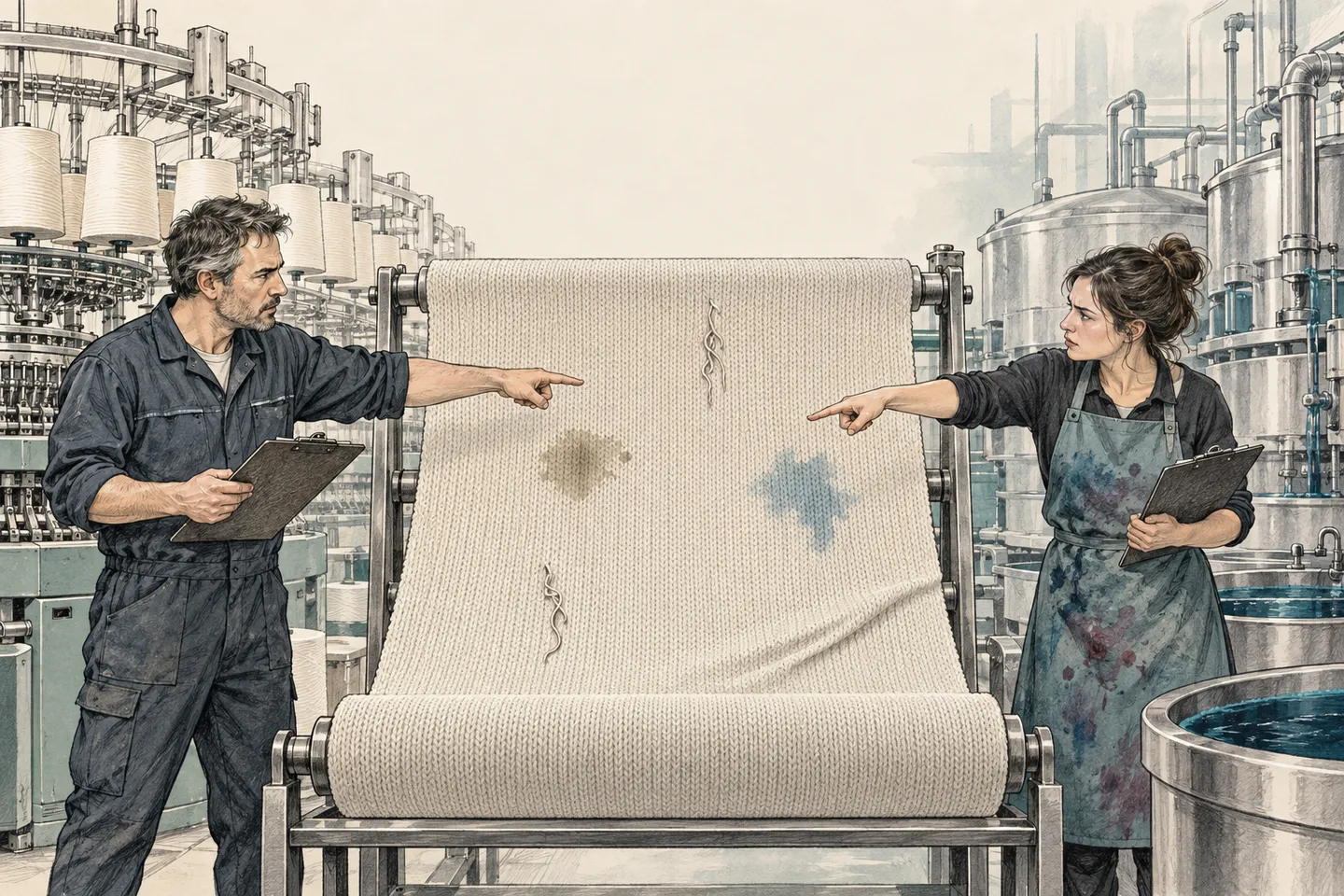
The dyehouse says the rope creases will disappear in setting. The garment factory says the roll is uncuttable. The answer depends on when the mark formed, whether it remains on the delivered fabric and what the order agreed to accept.
A defect discovered after dyeing does not automatically originate in the dyehouse. Compare its pattern, position and first appearance with retained greige samples and production records before deciding who should investigate or pay.
Two quick-dry shirts can both say “100% polyester” while carrying very different prices. The label alone cannot tell you whether their yarn, knit, finish or quality standards match—and the retail gap cannot be read straight back into fabric cost.
A 180 GSM nylon-spandex knit can give a T-shirt a smooth hand, useful stretch and a lighter everyday feel. The weight is a starting point, not a promise of opacity, quick drying or shape retention. Here is how to evaluate the fabric, its cost and its printing route before placing an order.
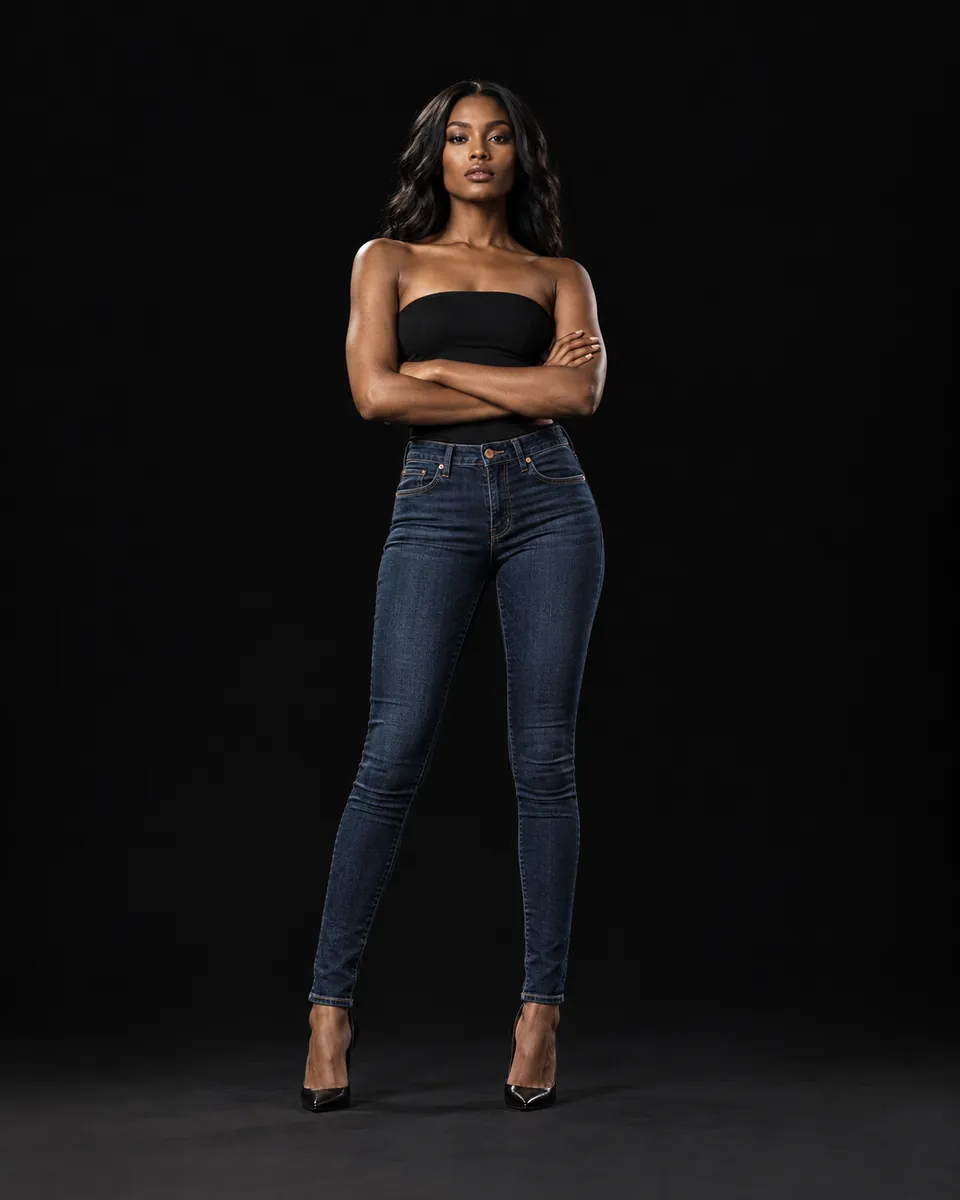
A $98 legging and a $32 alternative reveal only part of the activewear story. Brand growth now depends on fit, fabric hand, reliable production and products designed for life beyond the gym.
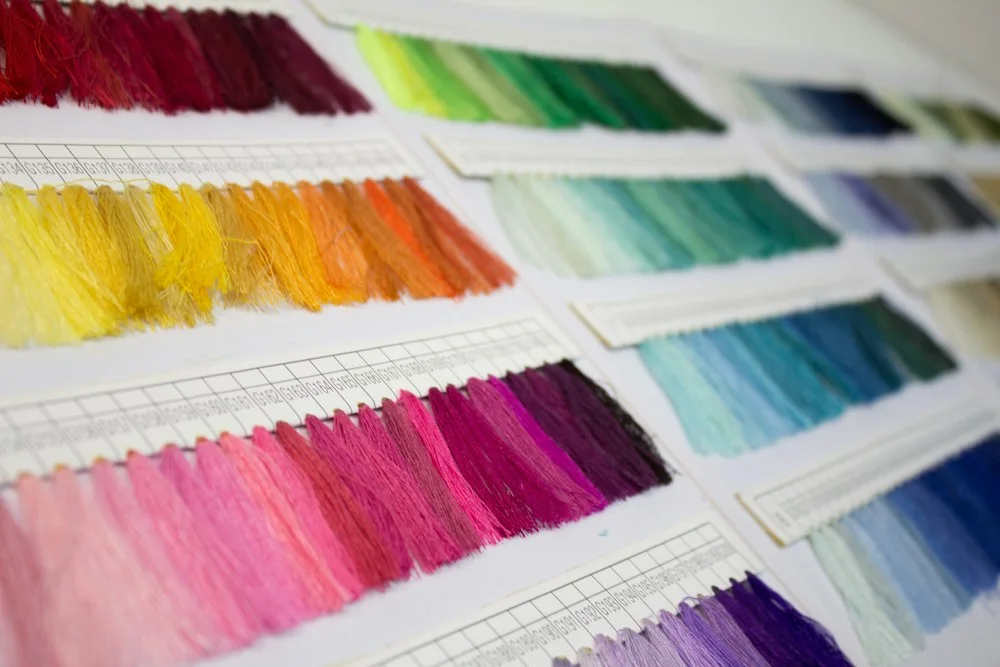
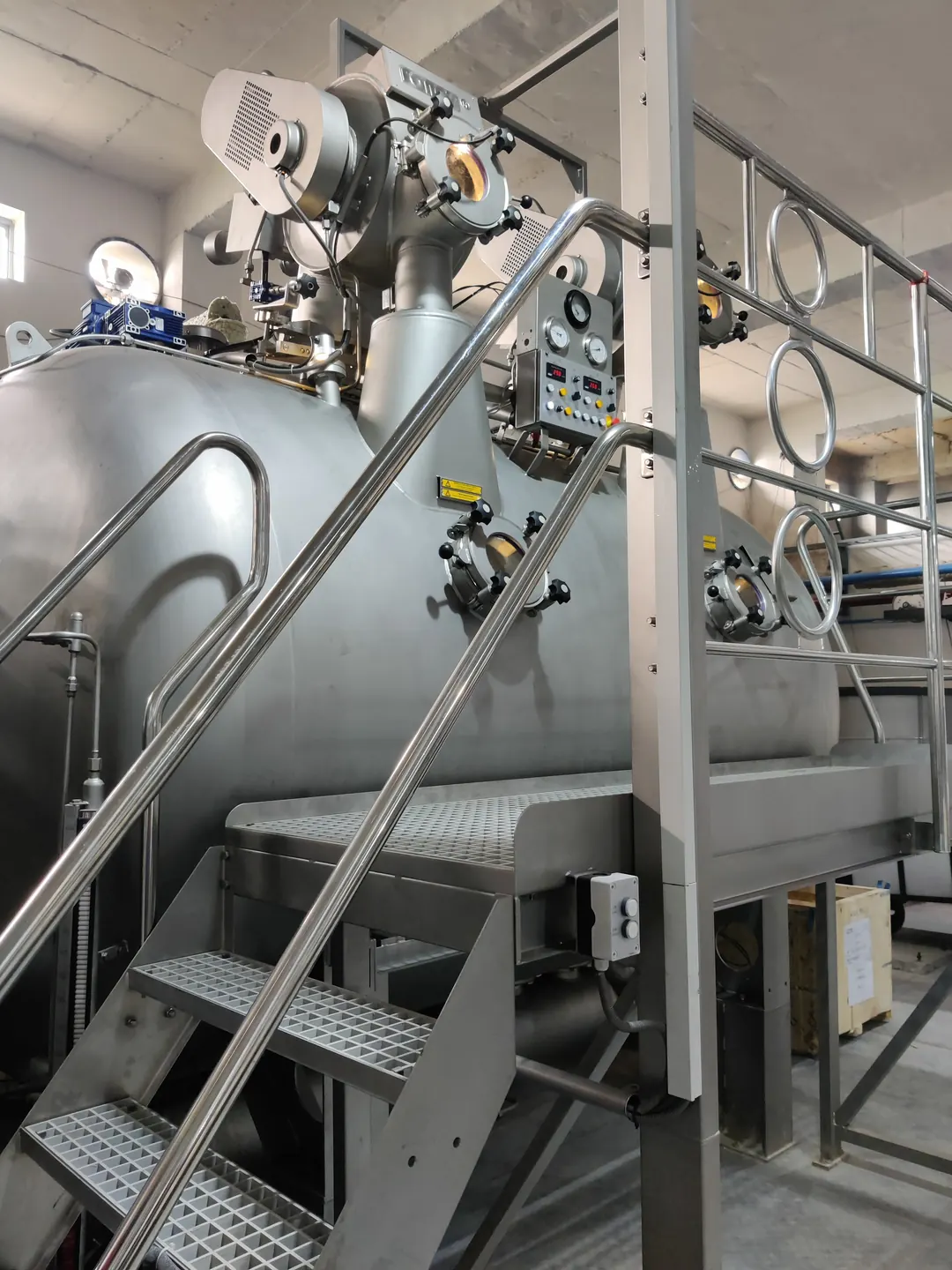
Autumn and winter buying brings a rush of suede inquiries for clothing, sofas and vehicle interiors. Inside dye houses, full machines do not necessarily mean healthy margins: process losses, small runs and price competition can swallow the fee.
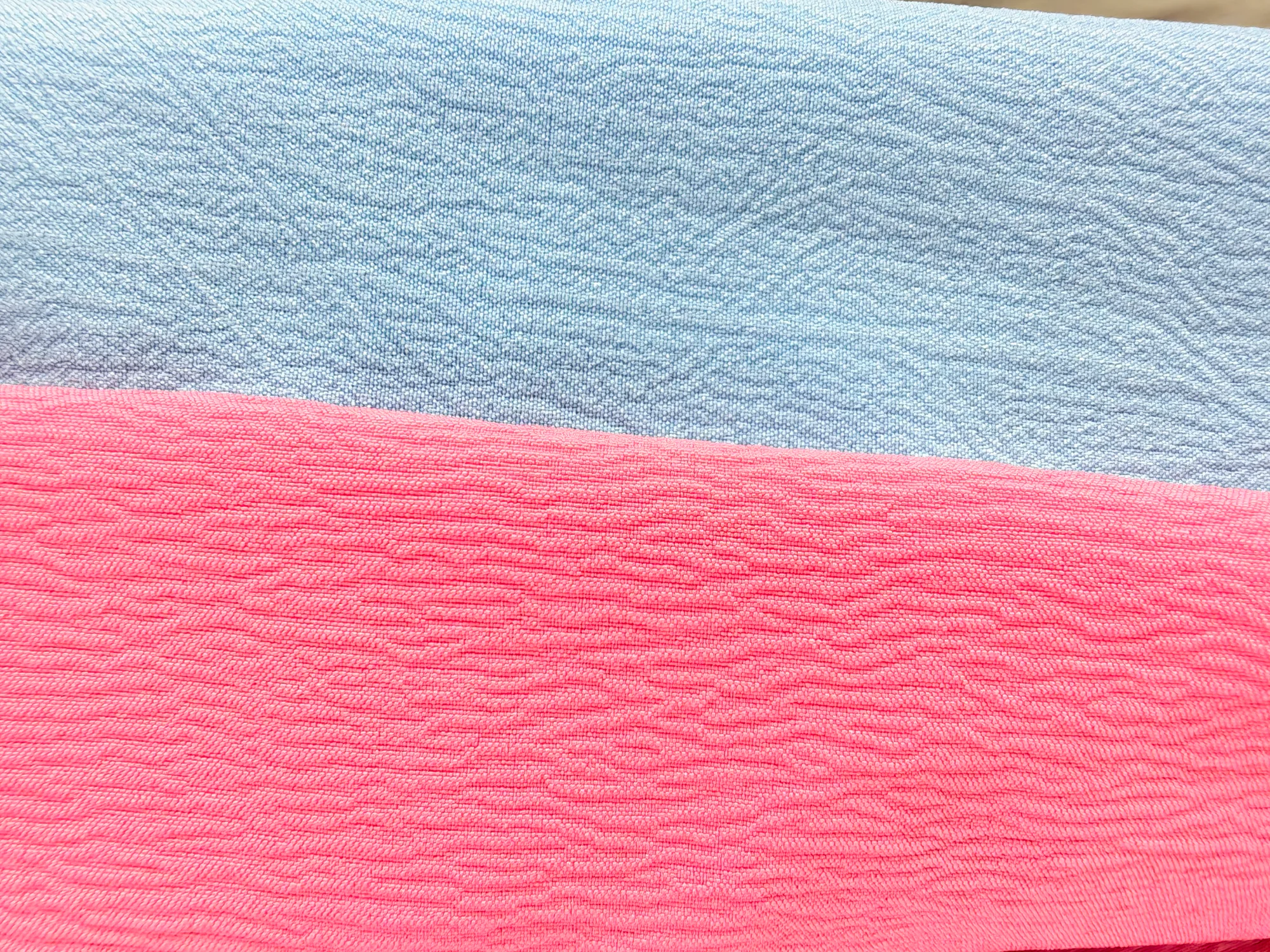
The same 100D four-way stretch crepe greige can become an organic crinkle or a neat ant crepe. See how the finishing choice affects garments, printing and price.
You do not need a factory or a full collection to start a clothing brand. Pick one buyer, one product and one way to sell it; then make a small, testable first run.
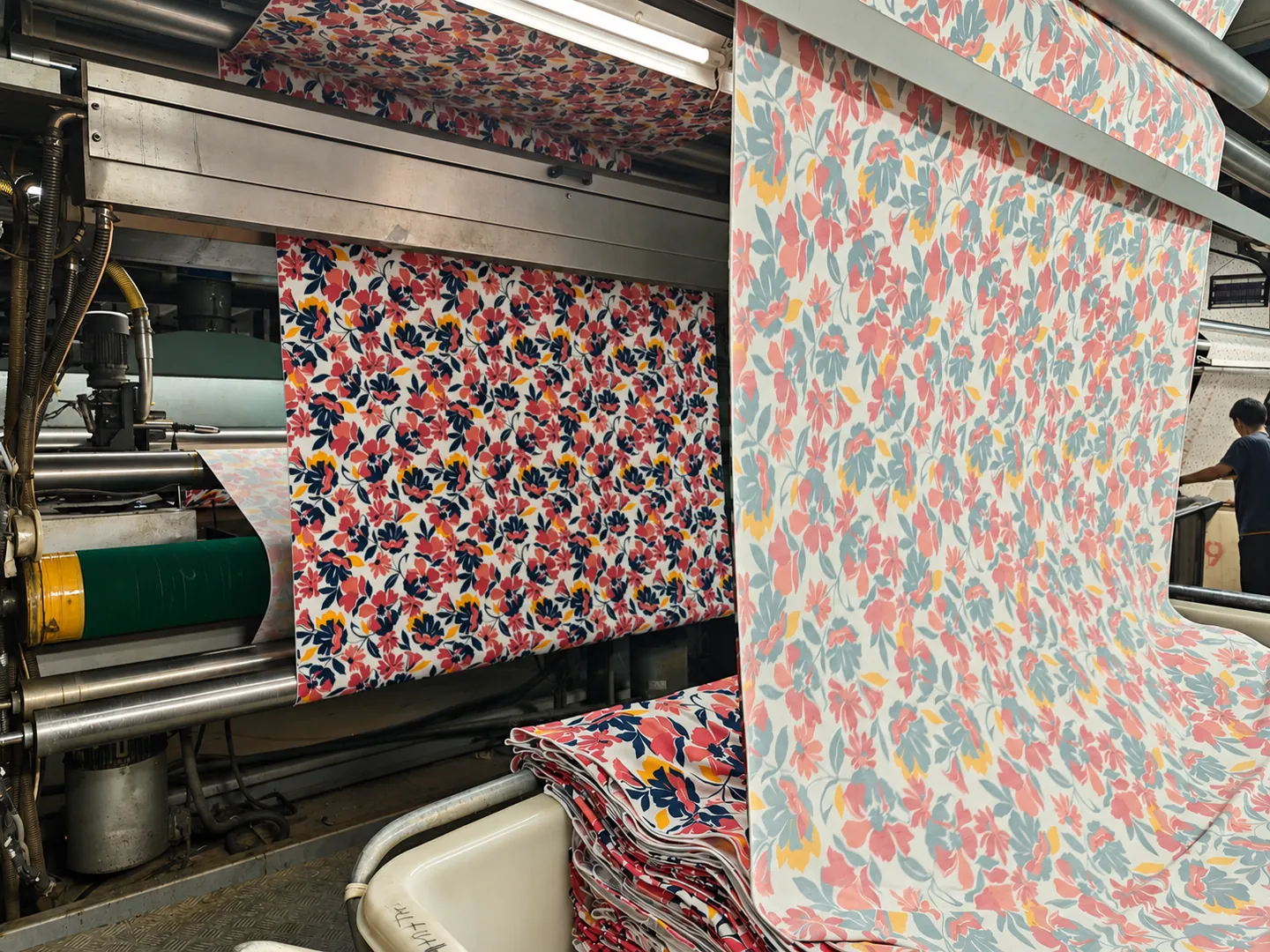
A dyeing quote prices a specific route through a mill. In Keqiao, the 2026 Iran-linked oil shocks coincided with dyeing-fee increases averaging over 15% and greige-fabric increases over 30%, according to first-hand market reporting. Here is how to read those changes and compare offers.