A $98 legging and a $32 alternative reveal only part of the activewear story. Brand growth now depends on fit, fabric hand, reliable production and products designed for life beyond the gym.
The $98 yoga pant and the $32 alternative
When people think of yoga pants, Lululemon is usually the first brand that comes to mind.
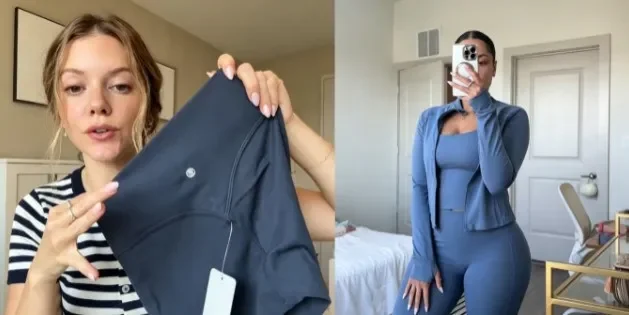
A lululemon Align 28-inch legging has been listed at $98, with its soft, light Nulu fabric a central part of the pitch. [1] For a budget-friendly activewear brand, the challenge is to offer an attractive wearing experience at a very different price without promising that two garments are technically identical.
CRZ YOGA is fast becoming a textbook case worth studying in this market.
A CRZ YOGA Butterluxe legging has been listed at $32 before promotions. [2] Both brands talk about softness and stretch, though their construction, branding, distribution and customer expectations differ. The price gap makes trial easier for shoppers; whether they return depends on the product they receive.
What sits behind a lower price
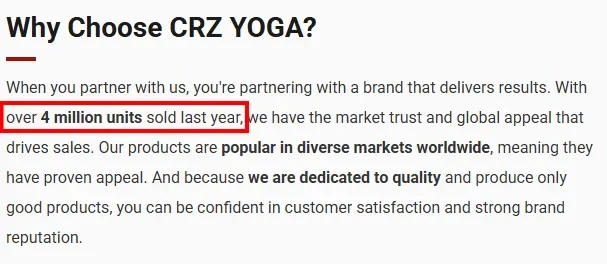
CRZ YOGA says on its bulk-sales page that it sold more than four million units “last year.” The page does not specify the year, so the number should be read as the brand’s own undated claim rather than an independently audited 2025 or 2026 total. [3]
Low prices are just the entry point; the real battlefield is product execution.
The brand did not appear overnight. Trade reporting identifies its parent company, Qianluo, as founded in 2006 and describes a progression from sports bras and cross-border sales into yoga apparel and production. The same reporting says the business added its own factory in 2019. [4]
Trade reporting puts the company’s 2023 annual sales at roughly RMB 1.5 billion (about US$210 million at an illustrative exchange rate); this is a reported figure, not a financial statement audited for this article. [4]
The commercial lesson is that a low shelf price can rest on years of product development, sourcing, production planning and ecommerce work. It should not be mistaken for a strategy based only on squeezing factory margins.
The product is more than a fabric name
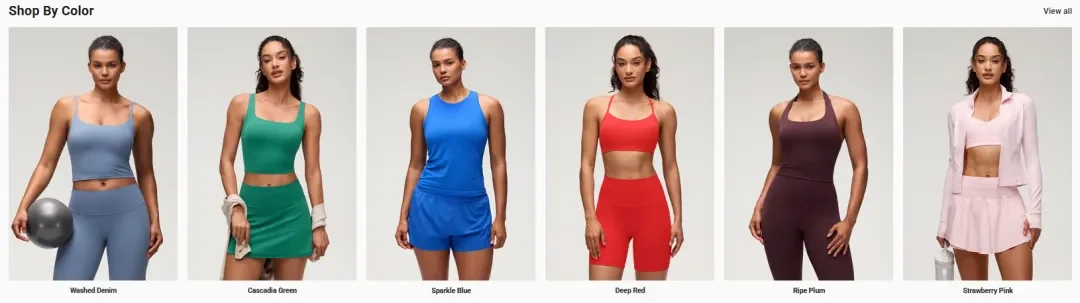
Consider the Butterluxe range. CRZ YOGA presents softness, stretch and gentle compression as product features, then offers choices in inseam, waist and style. Its fabric page lists a polyamide and Lycra blend for one Butterluxe construction. [5] Those details give customers more reasons to find a fit that works for their bodies and routines.
A pair of yoga pants may look like just "a pair of pants," but behind it lies a complex supply chain involving fibers, yarns, weaving, dyeing, finishing, elasticity engineering, pattern making, and garment manufacturing.
Activewear sets a difficult brief. People want a soft hand without bagging out, stretch with sufficient recovery, and comfort through movement and daily wear. A workout style may need a different balance of moisture management and support from a lounge style. These outcomes depend on fabric construction and finishing as well as fiber labels.
Price attracts the first click. Fit, hand, durability and consistent bulk production determine whether shoppers recommend or repurchase the style.
Halara and the move beyond the gym
A lower entry price can help a customer try a new label. A broader set of wearing occasions gives that customer more reasons to return.
Leggings, exercise dresses, sports bras and stretch trousers now appear in commutes, travel, shopping and loungewear as well as workouts. That widens the product brief. Office wear asks for sitting comfort, a useful pocket and an easy silhouette; running wear puts more weight on sweat management and movement.
As usage scenarios shift, consumer expectations evolve.
A garment intended for both settings has to balance these needs. The same styling phrase—“athleisure”—can hide very different technical targets.
Activewear is transitioning from purely "functional athletic wear" into "lifestyle apparel" that balances function with daily style.
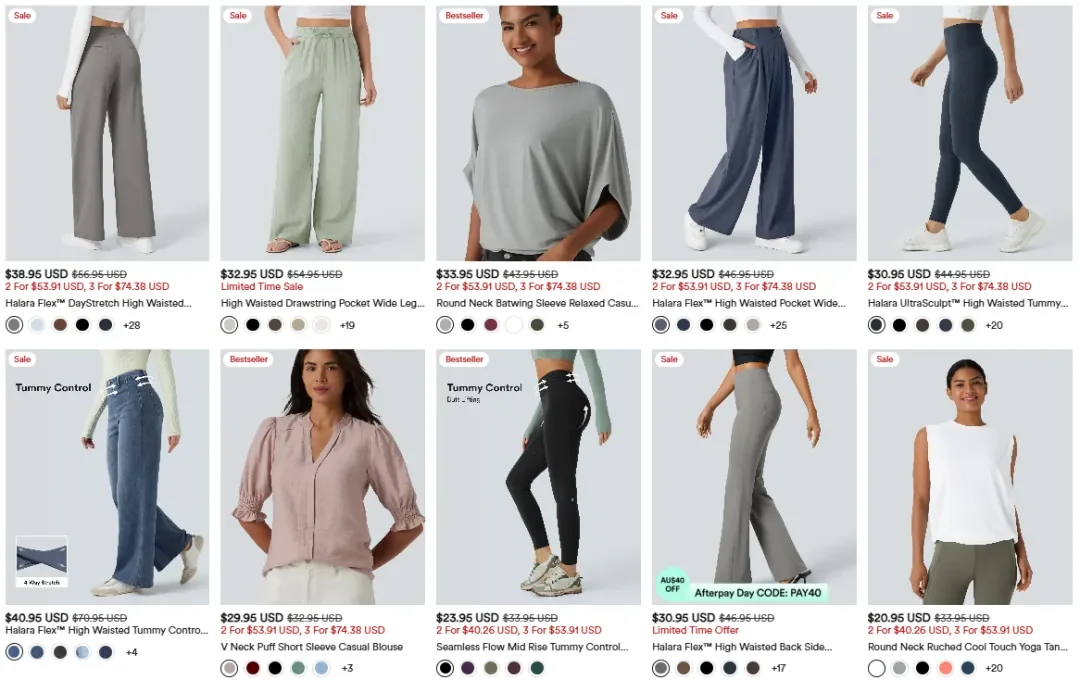
Halara illustrates the direction. Alongside exercise clothing, its current assortment includes work pants with a polished look and stretch comfort. [7]
Starting with tennis dresses and yoga leggings, Halara gradually expanded into wide-leg pants, casual slacks, and commuter trousers—bringing sports-oriented apparel straight into work and travel scenes.
A public recap of a Halara TikTok Shop UK campaign reported more than 2,000 creators, over 9,600 posts, 28 million views and a 431% sales lift for the campaign. These are campaign-reported figures, not a measure of annual company growth. [8]
The useful lesson is wider than a campaign result. An exercise dress can become vacation wear; stretch trousers can become commuter wear. The supplier then has to meet the visual and comfort expectations of both occasions.
When one product works credibly across several uses, there are more moments in which a shopper might choose it.
GLOWMODE and collections built around use
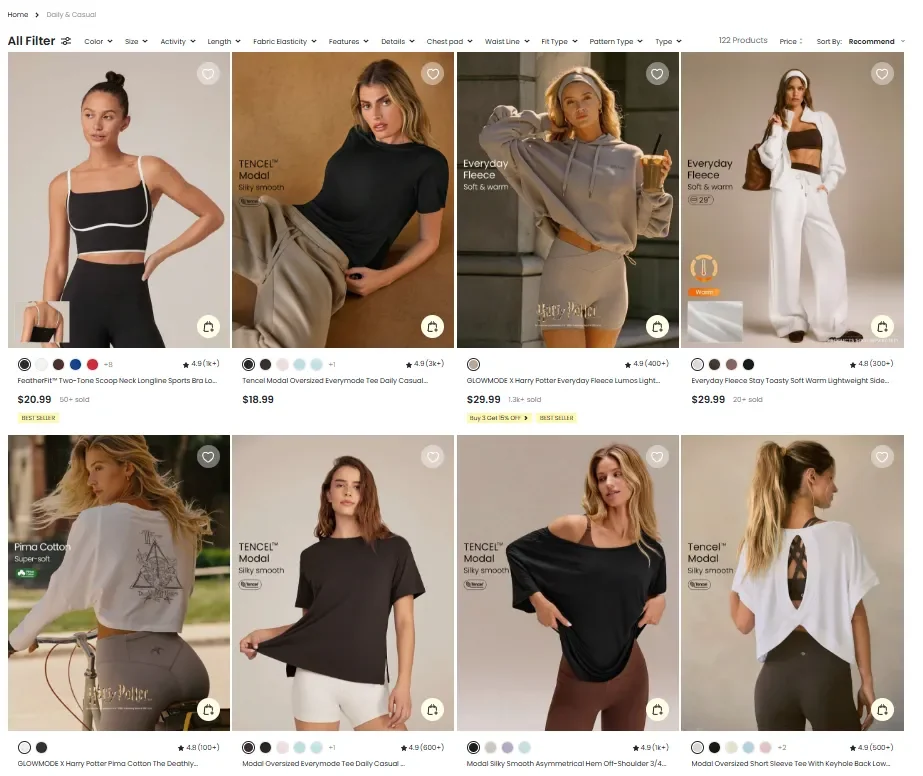
SHEIN’s GLOWMODE also markets activewear for more than one use. A GLOWMODE product page, for example, positions an outfit for low-impact yoga, Pilates and daily wear. [9]
For a brand, “yoga,” “high-intensity training,” “leisure” and “commute” are useful starting points for developing different collections. They are not interchangeable specifications. A running style may put priority on moisture movement and secure fit; a studio style may prioritize a soft hand and freedom of movement; a commuter style may need drape and shape retention.
That difference travels back through fabric choice, knitting, dyeing, finishing and pattern cutting. The image of a collection on a shopping page is the visible end of many production decisions.
Nylon, polyester and why 180 GSM is not a magic number
Nylon–spandex and polyester–spandex are common starting points for stretch activewear. Some products may be designed around 180 GSM, but fabric weight alone does not guarantee breathability, squat-proof opacity, buttery hand or recovery. Yarn, knit structure, elastane content, finishing, color and garment pattern all matter. Research on elastic knitted sportswear likewise evaluates comfort through structure and physical properties rather than fiber name alone. [10]
Nylon–spandex can be developed for a smooth, soft studio feel and gentle compression. One Butterluxe construction, for example, is listed by CRZ YOGA as 81% polyamide and 19% Lycra. [5] That does not make every nylon blend the same: a buyer still needs to check opacity under stretch, recovery after wear, pilling, dimensional stability and the approved hand.
Polyester–spandex offers another route for training and everyday styles. Moisture management and drying depend on yarn and fabric design, not only on polyester content; a dense or heavily finished cloth can behave differently from a lighter knit of the same blend. Test the actual construction for the intended activity, color and wash cycle. The useful question is not which fiber wins in the abstract, but which tested fabric meets a specific product brief.
What brands need from fabric suppliers
For textile mills, this change creates an opening to sell more than a composition line on a swatch card.
A buyer still needs to know whether a fabric is polyester, nylon or spandex. The more valuable discussion starts with the intended garment and what the customer must feel, see and do in it.
For example:
- What exact level of softness and stretch does a yoga collection require?
- What quick-dry and breathability specs are needed for running?
- How can commuter workout pants balance casual drape with wrinkle resistance?
- How can travel apparel stay lightweight and easy-care while keeping its tailored shape?
Each question leads to choices in fiber, yarn, knit structure, dyeing, finishing and test method. A supplier who can explain and repeat those choices is more useful than one who offers a generic “nylon stretch” fabric without performance evidence.
CRZ YOGA, Halara and GLOWMODE show three routes into a larger activewear wardrobe: value and product refinement, work-to-weekend styling, and broad scenario-based assortments.
The business model shifts when a brand can define a specific wearer and occasion, then deliver the same fit and feel across repeated orders.
Price still matters at the first comparison. Repeat purchase rests on comfort, flattering fit, reliable sizes, useful colors, product updates and a supply chain that can replenish a successful style.
Factories and mills need to translate those consumer demands into material specifications, trial runs, inspection standards and realistic lead times.
The next purchase may be nowhere near a gym
China’s textile and apparel network—from fiber and yarn to fabric development, dyeing, garment making and cross-border sales—can respond quickly when partners agree on a clear product brief. Speed helps most when the first sample already answers the right use case.
Lululemon helped define what premium yoga wear can feel like. CRZ YOGA, Halara and GLOWMODE are exploring how stretch apparel can become less expensive, more varied and more useful across daily life.
That leaves a larger question: how much of an activewear brand’s future business will come from uses beyond exercise?
The answer is already visible in current assortments: leggings worn to travel, stretch trousers worn to work, and soft separates worn through an ordinary weekend.
The next activewear purchase may be for a commute or a trip rather than a class. A product can cross those settings when function and appearance are designed together.
For brands, this creates more occasions and product lines. For garment factories, it means more varied fits and smaller, more specific runs. For fabric suppliers, it means providing tested materials for named uses instead of only selling fiber composition.
Mature categories can still grow through better fit, softer hand, clearer segmentation and more useful everyday details.
That is the practical transformation behind the busy activewear storefront.
Adapted from the contributor-supplied English manuscript. The two pasted text files contain the same text. Product prices and features were checked against brand pages; the CRZ YOGA unit figure comes from the brand’s own bulk-sales claim, while the Halara campaign figures come from a public campaign recap. Company-history and revenue figures are attributed to trade reporting. The five screenshots were supplied by the contributor and placed in their supplied order.
Prices are example online listings observed for this article and can change by style, market or promotion. Brand-reported units and campaign metrics are not independent audits. A fabric blend or 180 GSM weight alone cannot guarantee opacity, hand, wicking, compression or durability; performance must be tested on a specified construction and finish.
Sources
- lululemon, Align High-Rise Pant 28-inch product page
- CRZ YOGA, Butterluxe Yoga Origin Legging product page
- CRZ YOGA, Bulk Sales page
- Hong Kong Textiles Chamber, CRZ YOGA brand case
- CRZ YOGA, Butterluxe fabric page
- TikTok Shop UK, seller overview
- Halara, work pants collection
- Public recap of Halara TikTok Shop UK campaign
- SHEIN, GLOWMODE activewear product example
- Materials (2020), study of comfort in elastic knitted sportswear