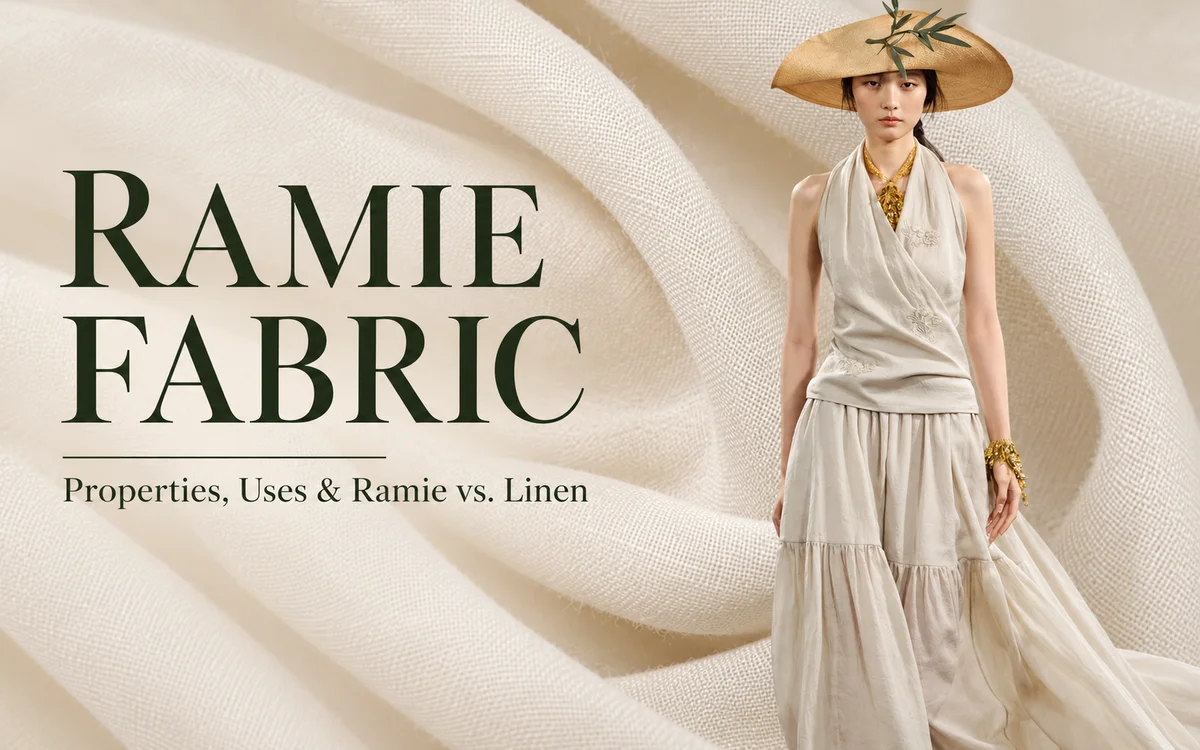
Today’s Fabric Class: Ramie Fiber
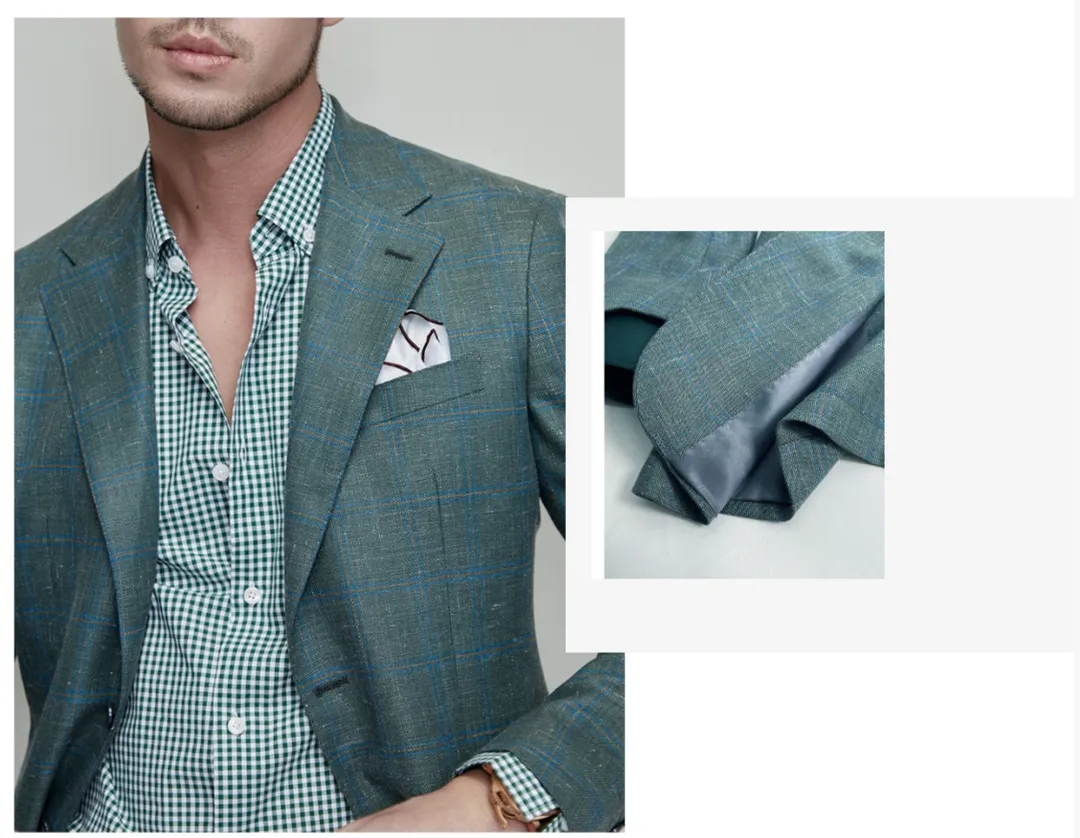
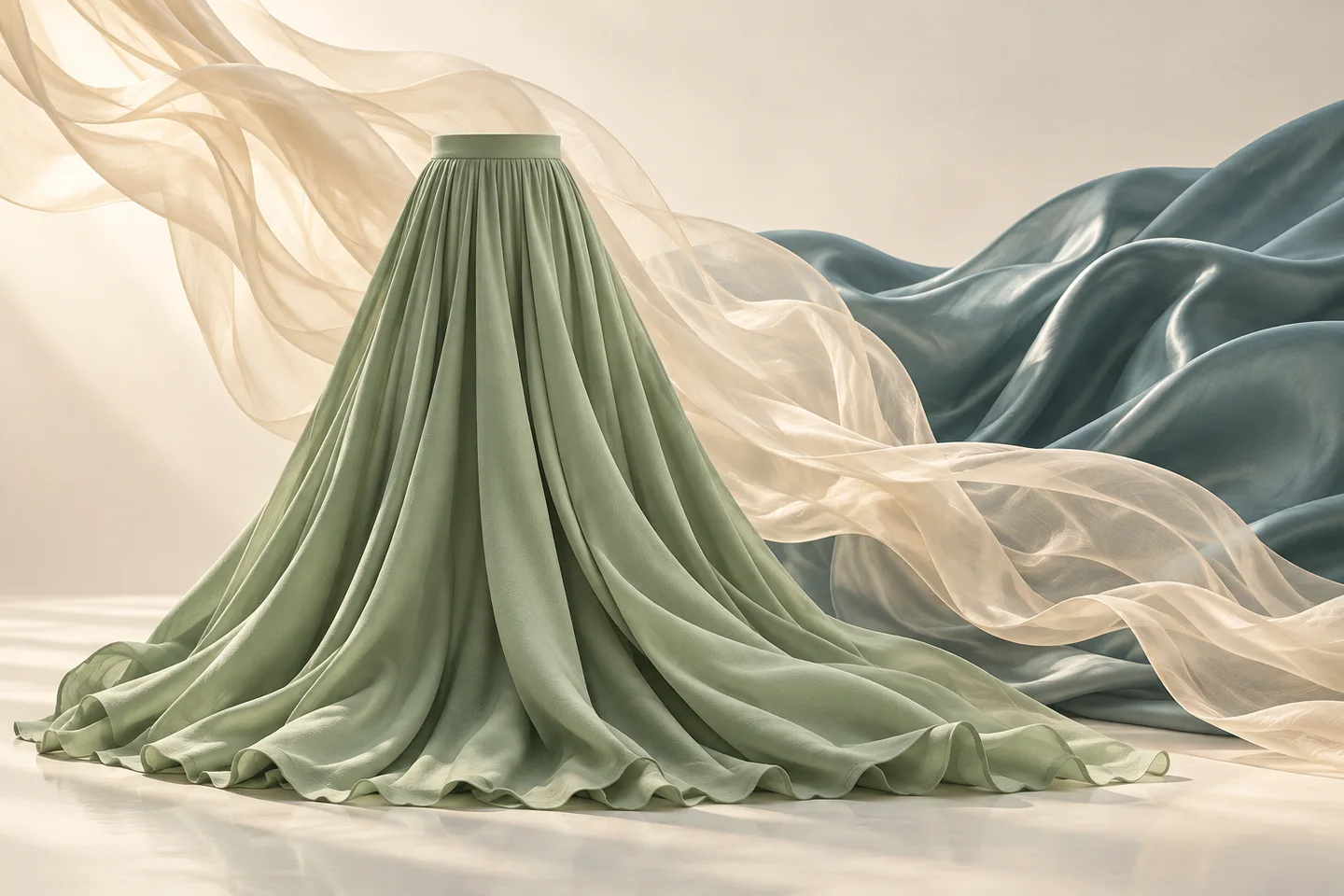
There is a fabric that exudes an effortless, relaxed mood—subtle, graceful and quietly sophisticated. In a light summer garment, its airy texture can evoke cool bamboo shadows and a flowing stream. A crisp surface and a loose silhouette help create that fresh, easy feeling.
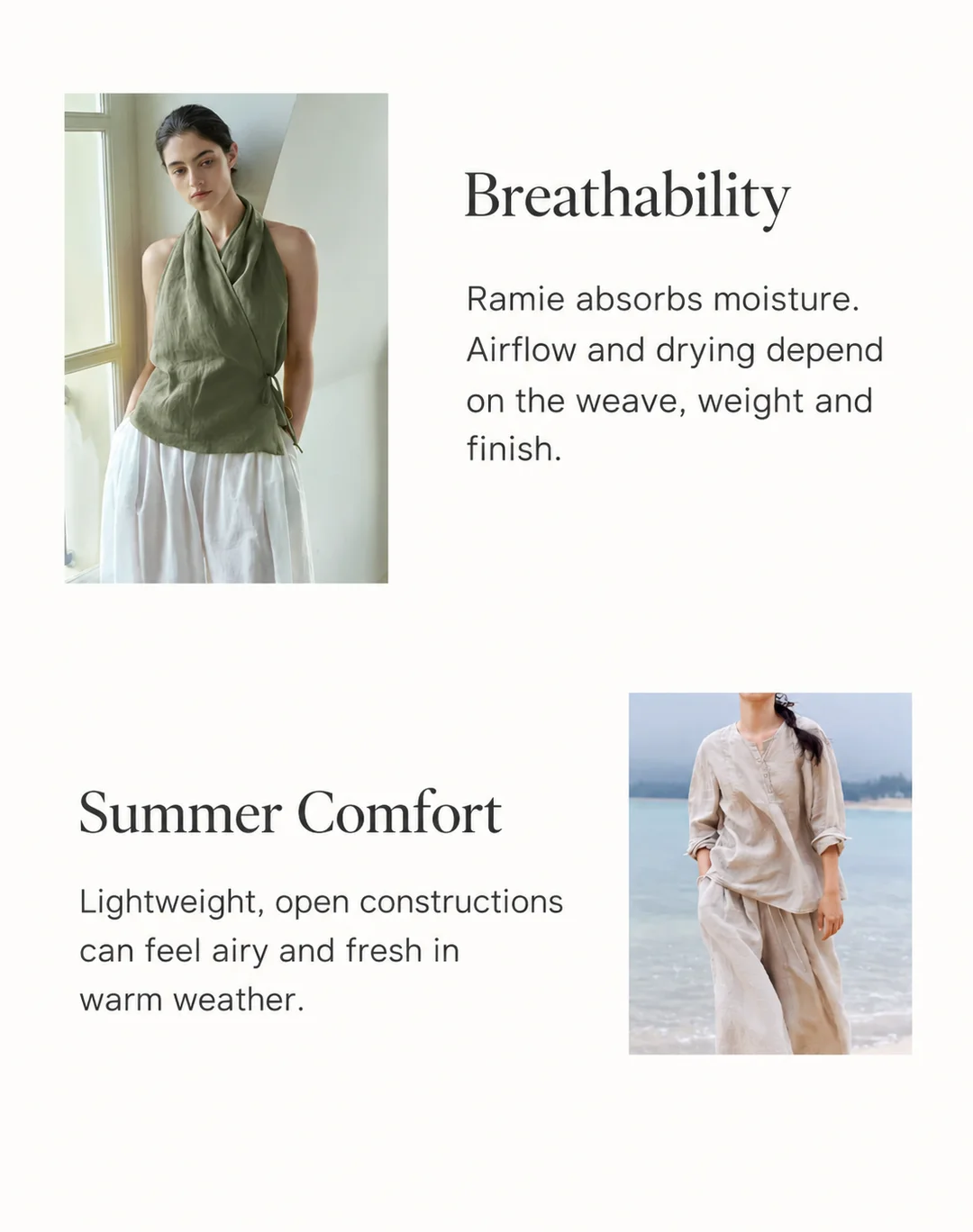
Ramie is an appealing choice for this aesthetic, but the fiber name is only the beginning. Whether a garment feels cool, lets air through or clings after perspiration depends on its weave, weight, finish, fit and the weather. Think of this guide as a way to choose the right construction, rather than a promise that every ramie garment performs identically.
What Is Ramie Fabric Made Of?
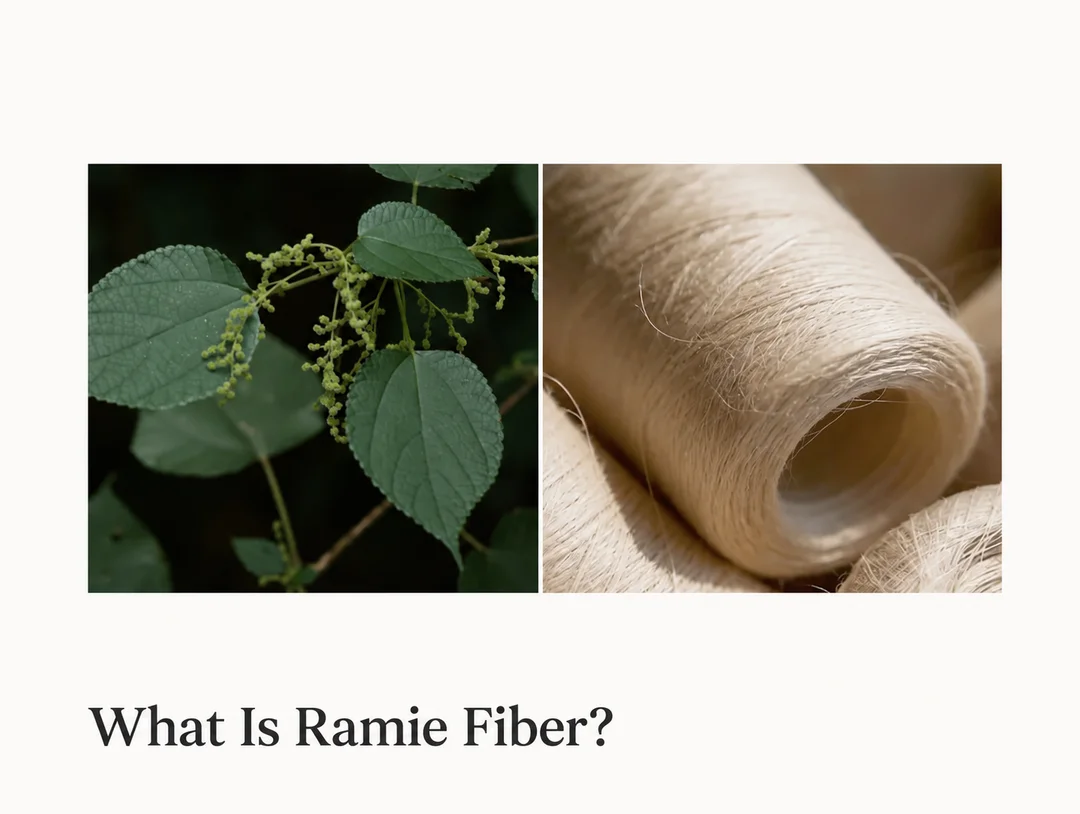
Ramie is a natural cellulosic fiber extracted from the bast—the fibrous inner bark—of the ramie plant’s stem. The plant is commonly known as China grass. Linen also belongs to the bast-fiber family, but comes from flax rather than ramie. They are related textile categories, not interchangeable fiber names.
Ramie is known for long individual fibers, strength and a lustrous appearance. Fiber extraction and degumming remove material that binds the fibers together before further processing into yarn. The quality of this preparation, along with spinning and finishing, influences the finished handle. A strong individual fiber does not automatically make a loosely woven garment resistant to snagging, seam slippage or repeated creasing.
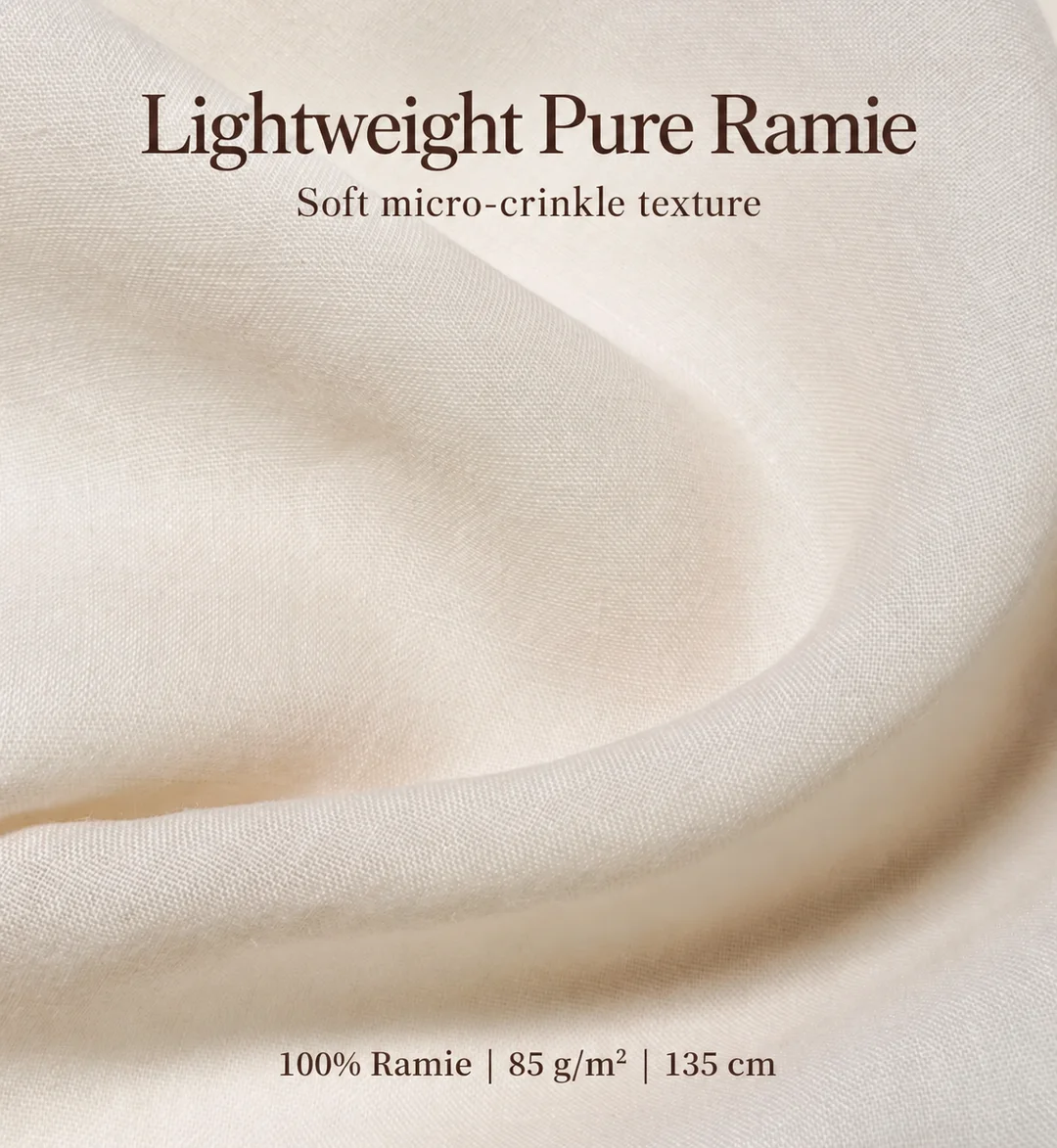
An 85 GSM Pure-Ramie Example: Sheer, Light and Micro-Crinkled
The supplied fabric reference is described as 100% ramie, 85 g/m², with a width of 135 cm. These are the contributor’s product specifications, not independent laboratory results. This example is particularly lightweight; its weight should not be treated as a standard for all ramie fabric.
It carries a natural-looking micro-crinkle texture and a lean, refined structure, resembling a stroke of light ink diffusing across rice paper. Its sheer, airy appearance suits a relaxed summer mood. Check actual opacity, skin feel and drape before choosing an application: a fine, translucent fabric can need a lining, an underlayer or a different construction in areas that demand coverage.
What Is Ramie Used For?
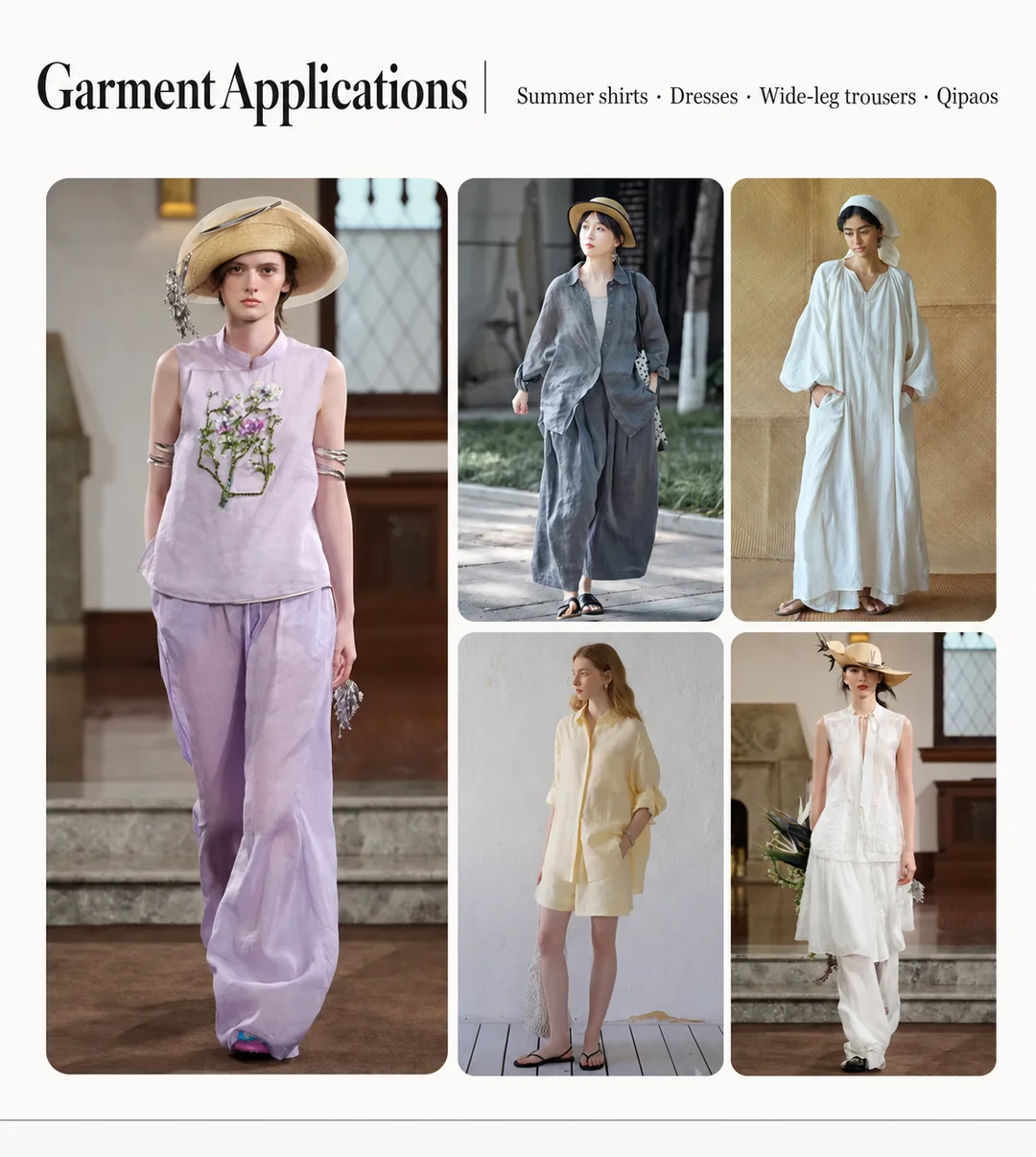
Lightweight pure ramie can suit summer shirts, dresses, loose trousers and qipaos. Clean, simple lines allow its subtle luster and crisp texture to remain visible. However, an 85 GSM sheer fabric is not automatically suitable for unlined trousers or a close-fitting qipao: assess transparency, seam performance, abrasion and the strain placed on the garment.
For a breezy blouse, prioritize comfort and opacity in daylight. For trousers, examine coverage at the seat and knees, plus seam slippage and wear resistance. For dresses or qipaos, approve ease, lining and interfacing together with the fabric. Keep the sample’s actual cuttable width separate from a supplier’s overall-width figure when estimating consumption.
Linen: Relaxed Character with a Crisp Touch
Linen is the more familiar bast-fiber fabric for many shoppers. It can offer a crisp initial touch, attractive texture and a relaxed appearance in shirts, dresses and wide-leg trousers. Depending on the yarn and finish, its handle may soften with repeated appropriate washing and wear. Neither softness nor coolness is identical across every linen fabric.
Low elastic recovery makes creasing part of linen’s familiar character. Dimensional change is another sourcing consideration, particularly when a fabric has not been stabilized for its intended care process. Ask for wash-test results and a finished-garment trial rather than assuming all linen has the same shrinkage rate. Natural moisture absorption can help reduce static buildup under suitable conditions, but it does not guarantee zero static or zero clinging.
Buyer’s tip: dew-retted linen describes a processing route, not a new flax species. In field retting, moisture and microorganisms help separate the fibers from the stem. Normandy origin or the phrase “dew-retted” alone does not prove a particular softness, color, quality level or price premium.
Ramie: Lustrous, Crisp—and Worth Sampling Against the Skin
Ramie’s appeal is its combination of luster and a crisp, defined handle. In a suitable lightweight construction it can feel fresh and hold a clean outline away from the body. Its relatively low elasticity also means that creases can remain visible. Those features can be useful for an intentionally structured blouse or dress, but less desirable for a fluid, wrinkle-resistant design.
Some ramie fabrics feel coarse or scratchy, especially when preparation, yarn or finish does not suit direct skin contact. Others have a much softer handle. A washed sample may feel firmer after drying, depending on finishing, detergent residues and the drying method; this is not an unavoidable rule for all ramie. Compare before-and-after samples instead of assuming that wear will fix an uncomfortable fabric.
Avoid universal rankings such as “always cooler than linen” or “always wrinkles more.” Fiber properties alone do not establish the comfort of a finished garment. A dense, lined ramie outfit can feel less airy than an open, unlined linen one.
Ramie vs. Linen: A Practical Comparison
Start with the intended garment and compare finished swatches of similar weight and construction. A heavily softened sample and a crisp untreated one cannot provide a fair fiber-only comparison. Both materials can work beautifully in summer, but their appeal depends on the product you are trying to make.
Use the table as a sampling checklist. It describes common directions, not guaranteed results or a laboratory ranking of every ramie and linen fabric.
| Question | Ramie | Linen (flax) |
|---|---|---|
| Where does it come from? | Bast of the ramie plant; China grass | Bast of the flax plant |
| Typical visual character | Can show pronounced luster and a crisp outline | Often chosen for a textured, relaxed appearance |
| How soft is it? | Preparation and finishing are important; assess scratchiness | Varies considerably; may soften with appropriate washing |
| Does it crease? | Low recovery means visible creasing is common | Low recovery means visible creasing is common |
| Is it automatically cool? | No; weave, weight, finish, fit and lining matter | No; the same garment-level factors matter |
| What should buyers verify? | Degumming/handle, opacity, seam performance and care results | Handle, dimensional change, seam performance and care results |
Which Should You Choose?
Choose a linen sample if you want a familiar, versatile starting point for relaxed everyday pieces. Choose a ramie sample if you are exploring a lustrous, crisp summer look and are willing to evaluate its skin feel carefully. Neither choice should be based on the fiber name alone: a blend, different yarn or different finish may be the better answer to your brief.
If low wrinkling is the priority, discuss blends and garment construction rather than expecting pure bast fibers to behave like crease-resistant synthetics. If cooling is the priority, compare air permeability, weight, fit and lining alongside moisture behavior. For direct skin contact, a wear trial often reveals issues that a quick touch on a fabric roll misses.
Can You Identify Real Ramie or Linen by Touch, Sound or Burning?
A rustling sound, slubbed texture or sharp crease can be a useful observation, but none proves fiber composition. Finishes, blends and fabric structure can change all three. Synthetic linen-look fabrics can imitate visible irregularity, while blended fabrics may both crease and recover. Photographs cannot reliably distinguish flax from ramie.
A burn response is not a dependable way to separate ramie from linen, cotton or other cellulosic fibers; blends and finishes make interpretation harder. Burning fabric also introduces flame and fume risks. For purchasing decisions, check the declared composition, ask for traceable supplier documentation and arrange appropriate laboratory fiber identification when the stakes justify it. Do not use a household test as a substitute for a verified composition report.
A Ramie Sourcing and Care Checklist
Before ordering, agree the composition, yarn and weave, target GSM and tolerance, usable width, color, finish and end use. Request samples from the intended supply and confirm repeat availability. Assess opacity, scratchiness, seam slippage, tear behavior, colorfastness and dimensional change using methods appropriate to the garment. A small soft swatch alone does not establish bulk consistency.
Wash or clean the development sample according to the intended finished-product instructions and compare dimensions and handle afterward. Follow the garment’s care label rather than a universal “ramie wash” recipe: dyes, trims, lining and construction can change the correct treatment. Avoid assuming that pre-shrinking removes every risk of dimensional change.
Natural wrinkling can be part of the desired aesthetic, but severe permanent crease marks, damage or a finish that differs from the approved sample can still be quality problems. Distinguish an accepted design characteristic from a defect against the agreed specification.
From a Summer Mood to a Real Fabric Match
No linen or ramie fabric is perfect for every product. Balance the look you want with skin feel, coverage, care requirements and budget. The right choice is the finished material that passes your garment brief—not simply the one advertised as the coolest or strongest.
If you have a reference photo or swatch, our fabric sample-search service can help locate the same or similar candidates in the market. Tell us whether composition, weight, color, handfeel or availability matters most. Candidate swatches let you assess the real material before committing to sampling or production; composition verification and garment-performance testing still need to be agreed separately.
Integrated from the contributor’s complete multipart manuscript and supplied visual references. General fiber descriptions and retting terminology checked against industry and botanical references. Universal cooling/strength rankings, unsupported antibacterial claims, fixed moisture-regain assertions and sound/burn-test authenticity guarantees removed or qualified.
The 85 GSM, 135 cm, 100% ramie example is a contributor-supplied specification, not independent test evidence. Fashion photographs illustrate styling and do not establish garment composition. No particular fabric has been laboratory tested for this guide.
Sources
Find a ramie or linen fabric match
Send a reference and your material priorities to compare real swatches before production.
YOUR NEXT STEP
Put the details to work.
Estimate an order or turn your specifications into a supplier inquiry.