Start with fabric and silhouette
Fabric is both the skeleton and the lifeblood of a suit. Whether a suit looks flattering on you is defined by its tailoring and silhouette; whether it wears comfortably, effortlessly, and without fighting your body comes down entirely to the fabric—especially in the dead of summer.

Comfort is a complete-garment decision
Linen, silk, TENCEL™ lyocell and cupro each offer a different balance of texture, moisture absorption and drape. They can work well for warm-weather tailoring, but none guarantees a cooling layer of circulating air. Weave openness, fabric weight, lining and fit determine how easily heat and moisture escape.
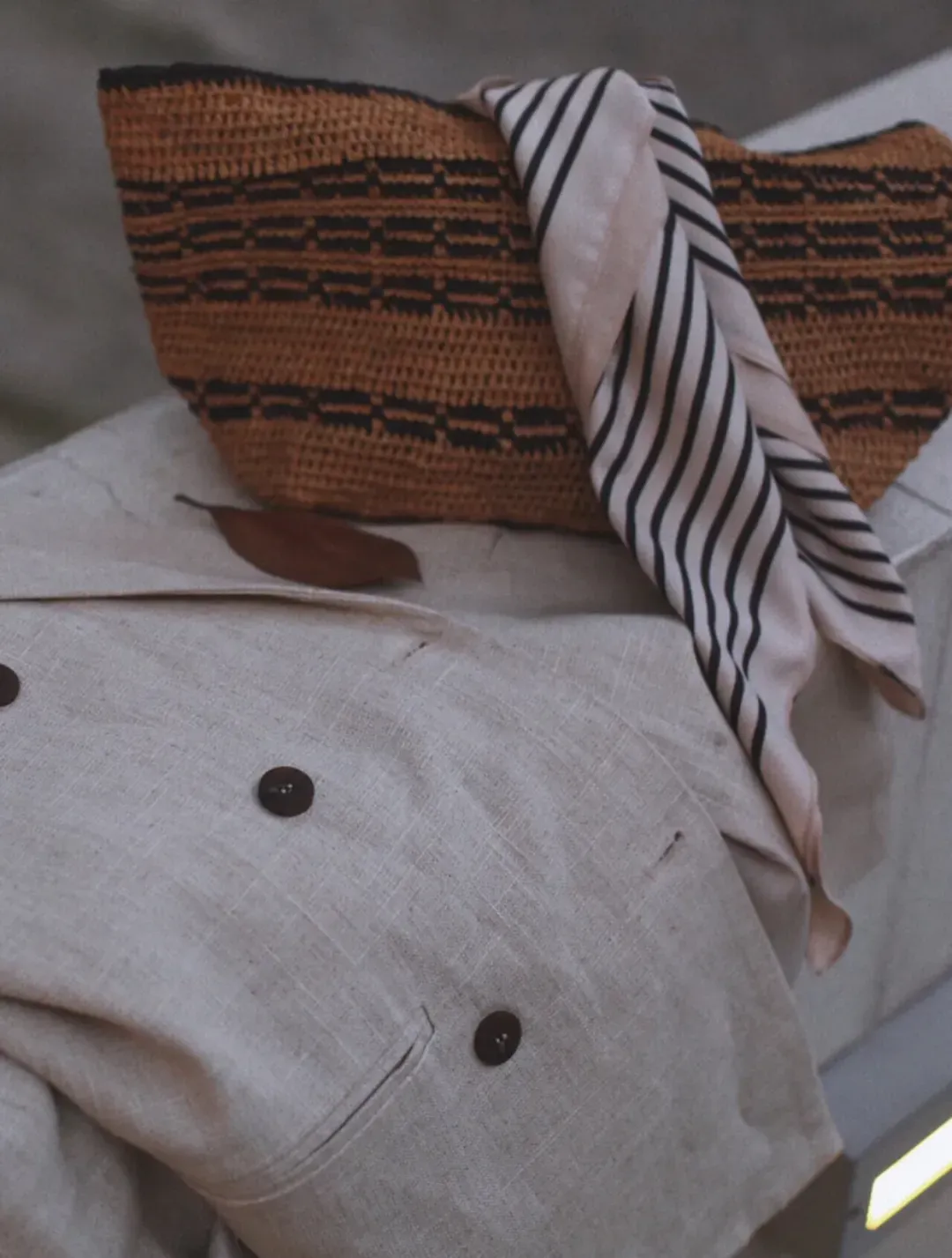
Linen: the summer classic
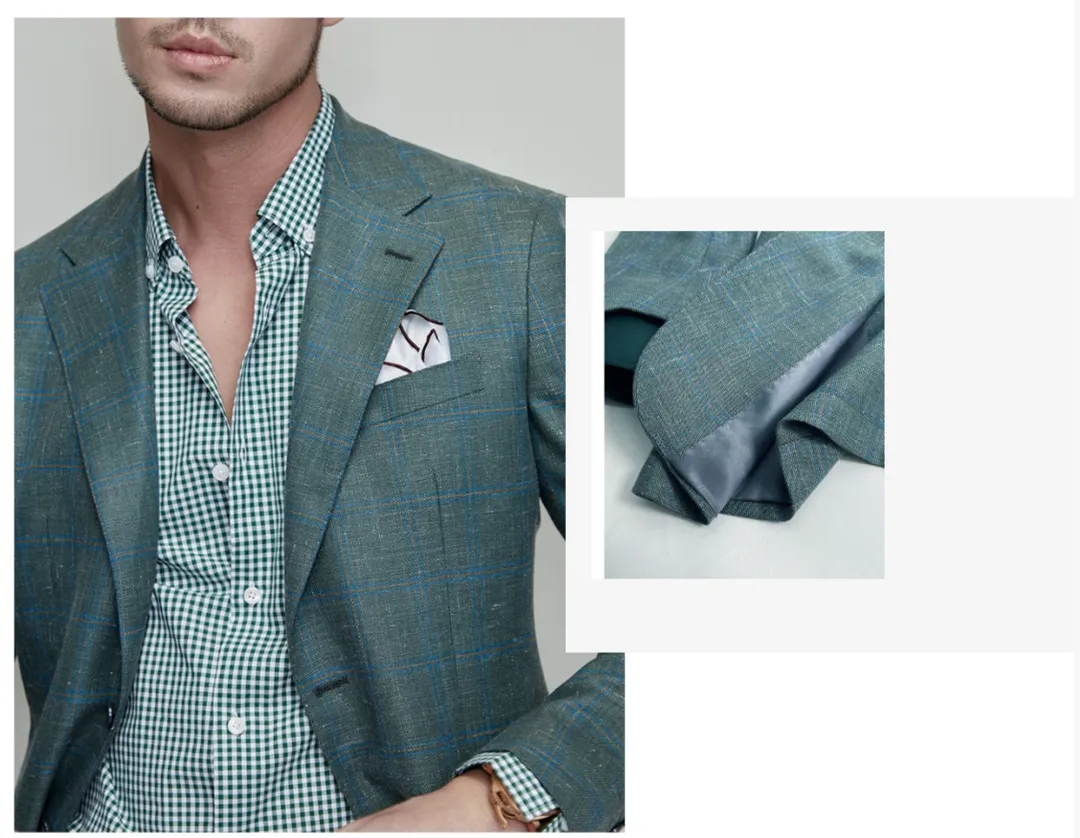
Linen stands as a summer classic. Its characteristic texture and the open constructions often used for summer suiting can allow air through the cloth. Linen absorbs moisture, but drying speed and comfort depend on the finished fabric, humidity and garment construction. Compare actual swatches rather than assuming every linen suit will feel equally cool.

Making peace with linen creases
Linen embraces wrinkles rather than resisting them, and those natural textures are an intrinsic part of its soul. People who wear linen rarely fuss over a few creases— after all, those wrinkles are physical proof of a day well spent alongside you.
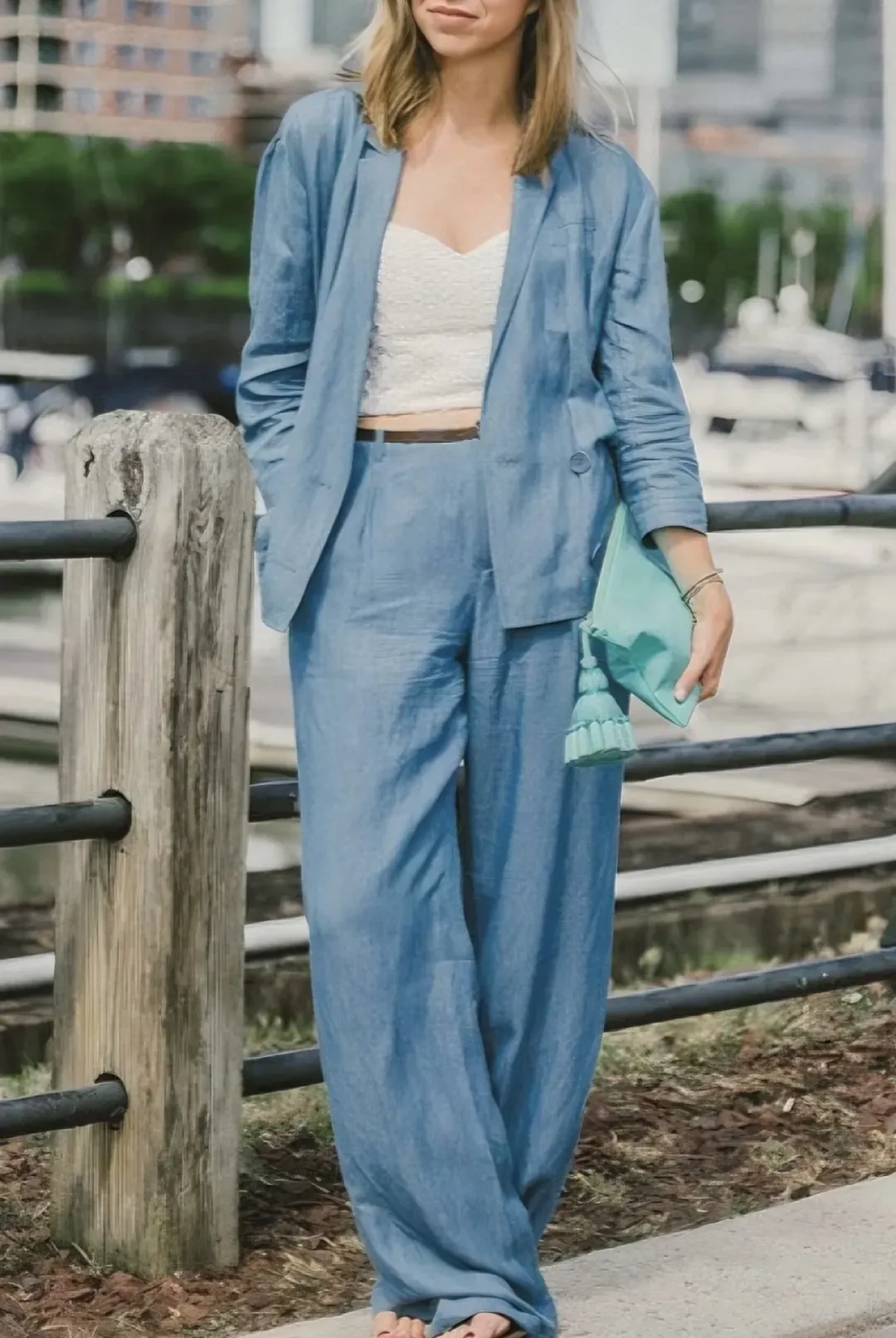
Hemp and ramie: alternative textures
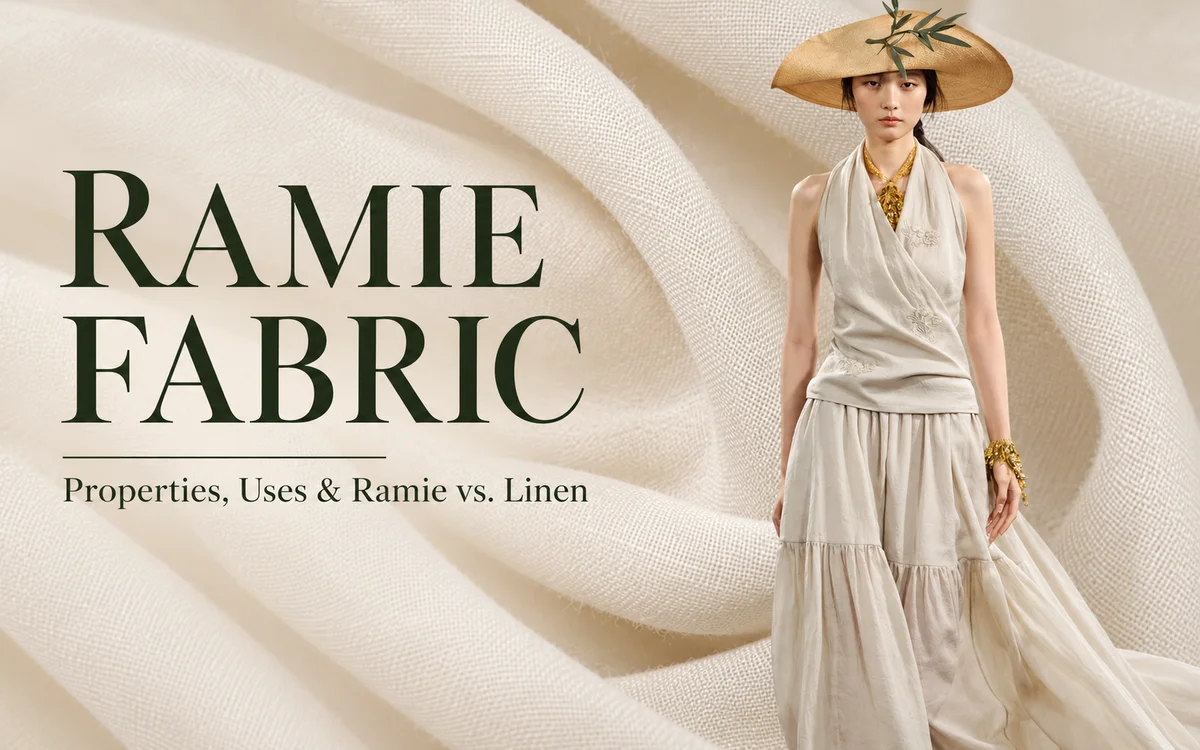
Hemp and ramie are also worth considering for warm-weather tailoring. They can bring a crisp texture and distinctive natural character. Fiber type alone does not establish air permeability: yarn size, weave density and finishing all matter. Compare the finished cloth with linen of a similar weight before choosing.

Hemp and odor-control claims
Hemp is sometimes marketed for antibacterial or odor-control properties. Do not assume a finished hemp suit prevents bacterial growth or stays odor-free: these claims require product-specific testing. For daily summer wear, prioritize ventilation, laundering instructions and how the actual fabric performs against the skin.

Ramie’s luster and handle
Ramie can offer a noticeable natural luster and a crisp, smooth surface. Its drape varies with yarn, construction and blends; it is not automatically more fluid than linen. Handle a full swatch and assess the silhouette you want before committing to a suit.

Availability and value
Hemp and ramie suits may be less widely stocked than linen or cotton, depending on the market. Availability and price vary by supplier and specification. If you find a suitable option, check fit, opacity, care requirements and fabric recovery rather than buying on the fiber name alone.

Silk: smoothness against the skin
Silk is a natural protein fiber valued for its smooth surface and refined hand-feel. Many silk fabrics feel pleasant against the skin and absorb moisture, but a dense or fully lined silk suit can still feel warm. Choose the weave, weight and lining for the climate and occasion rather than relying on fiber composition alone.

A subtle sheen
The subtle sheen of a silk suit is virtually impossible for other textiles to replicate. Far from cheap, synthetic glare, it offers an understated, soft radiance that shifts gracefully under light— much like moonlight resting silently upon still water.

Silk care requirements
The catch is that silk is delicate and high-maintenance. It is sensitive to direct sunlight, sweat stains, and improper laundering. Before investing in a silk suit, be honest with yourself about whether you have the patience to pamper it.

Occasionwear versus commuting
If you are seeking a daily commuter piece that demands frequent wear and washing, silk might not be the practical route. However, for occasional wear and milestone occasions, the sophistication it rewards you with is well worth the extra effort.

How to read a silk label
True silk is not limited to mulberry silk: tussah and other natural silks are also genuine silk. Check the fiber-content label to distinguish silk from polyester or viscose imitations. A label stating 100% silk identifies fiber content; a mulberry-silk claim identifies a particular silk source and should be supported by the supplier.
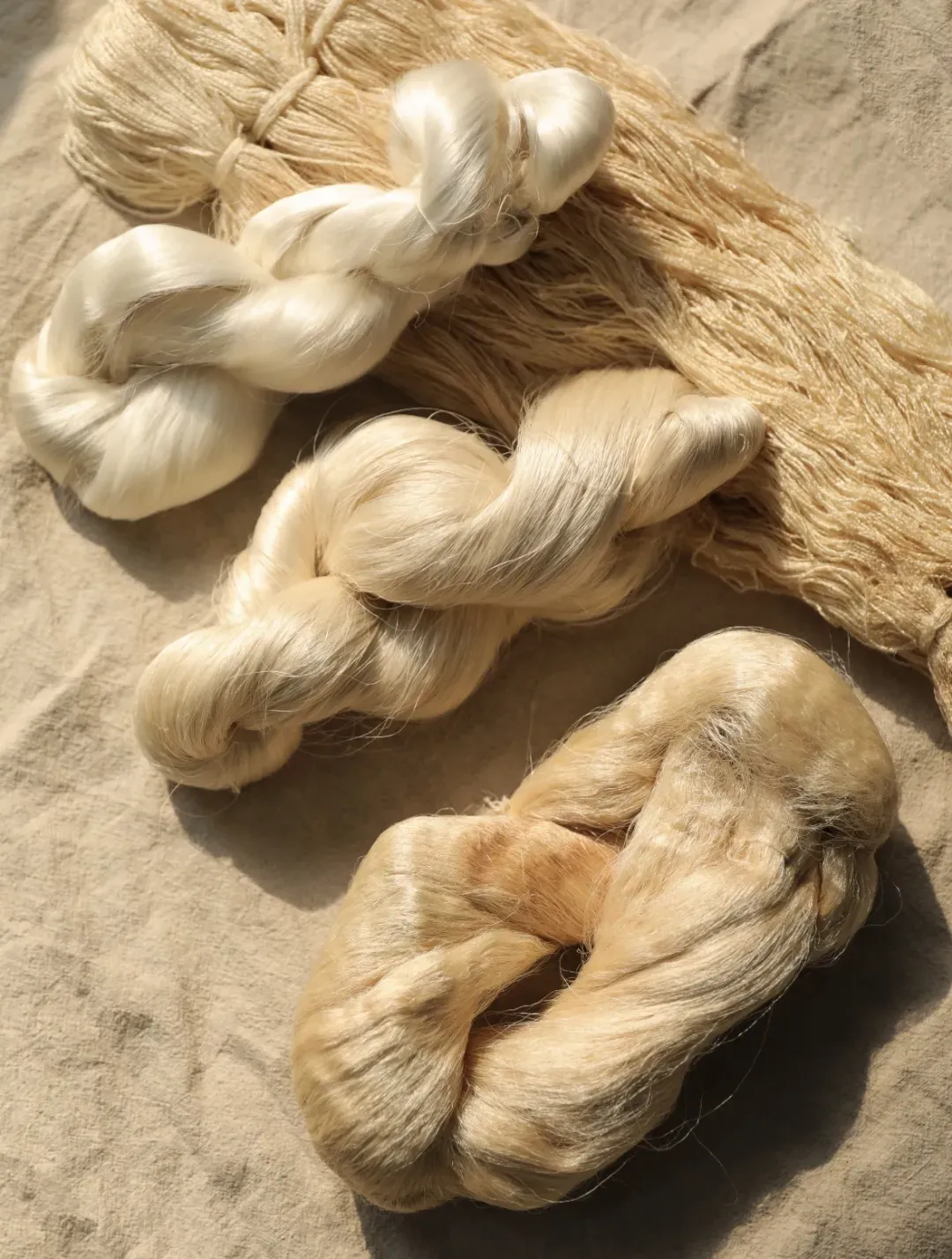
TENCEL™: brand and fiber identity
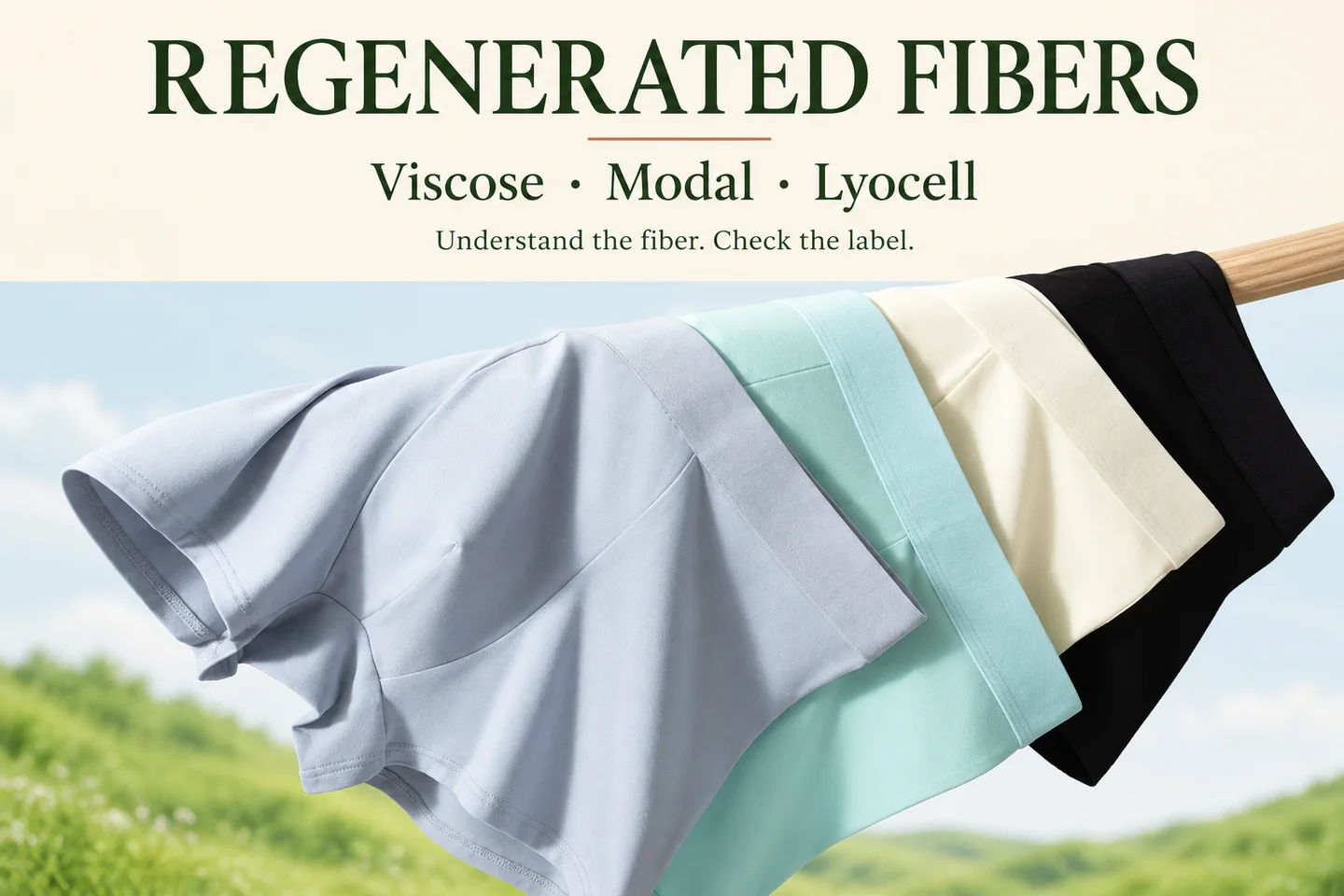
TENCEL™ is Lenzing’s brand for lyocell and modal fibers, not a synonym for lyocell alone. For the fluid summer suits discussed here, confirm whether the label specifies lyocell and its percentage. These regenerated cellulosic fibers can contribute a smooth hand-feel and drape; the finished construction still determines the garment’s body. [1]

Lyocell for fluid tailoring
A lyocell-rich suit can deliver fluid lines and a soft hand-feel, making it attractive for relaxed tailoring. Breathability, wrinkle recovery and durability cannot be ranked against cotton, linen or silk from fiber names alone. Test the actual fabric and follow the garment care label; some lyocell suits still need careful pressing or professional cleaning.

Traceability and regenerated fibers
Lyocell is a regenerated cellulosic fiber: its raw material is plant-derived, while the fiber is manufactured through a chemical process. This is a classification rather than an inherent drawback. If buying branded TENCEL™ fibers, request traceable documentation and confirm the generic fiber content; branding alone does not guarantee every aspect of a finished suit’s quality. [1]

Cupro: cotton-linter cellulose
Cupro is a regenerated cellulose fiber made from cotton linter, the short fibers around cotton seeds. It is valued for a soft, smooth hand-feel and fluid drape; Bemberg™ is an established cupro brand. Cupro is used in suit linings as well as outer fabrics. Avoid assuming it always absorbs more moisture than lyocell: assess the actual cloth and construction. [2]

Cupro’s understated finish
The luster of Cupro falls gracefully right between matte and sheen, offering a refined, subtle texture. Tailored into a suit jacket, it exudes an aura of quiet, understated sophistication.
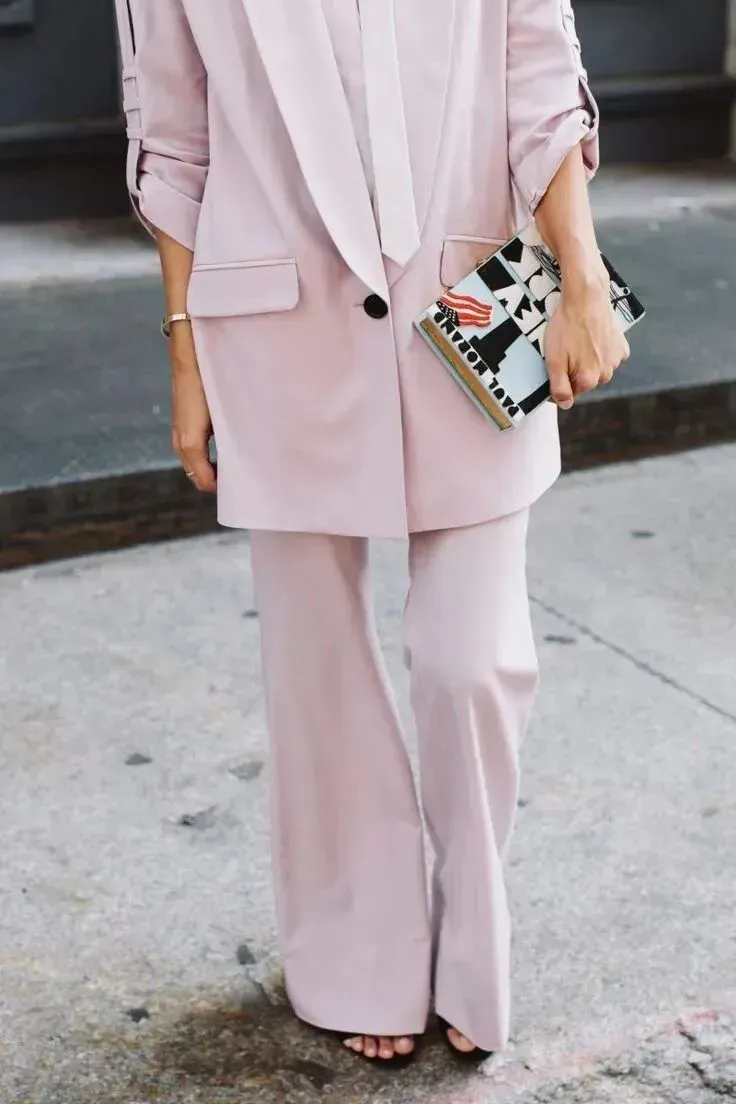
Looking after cupro
Cupro garments require care appropriate to their construction, dyes and finishes. Follow the label: a tailored jacket may need professional cleaning even when a fabric swatch is washable. Avoid aggressive rubbing and wringing, and do not assume all cupro suits share identical wet-strength or laundering behavior.
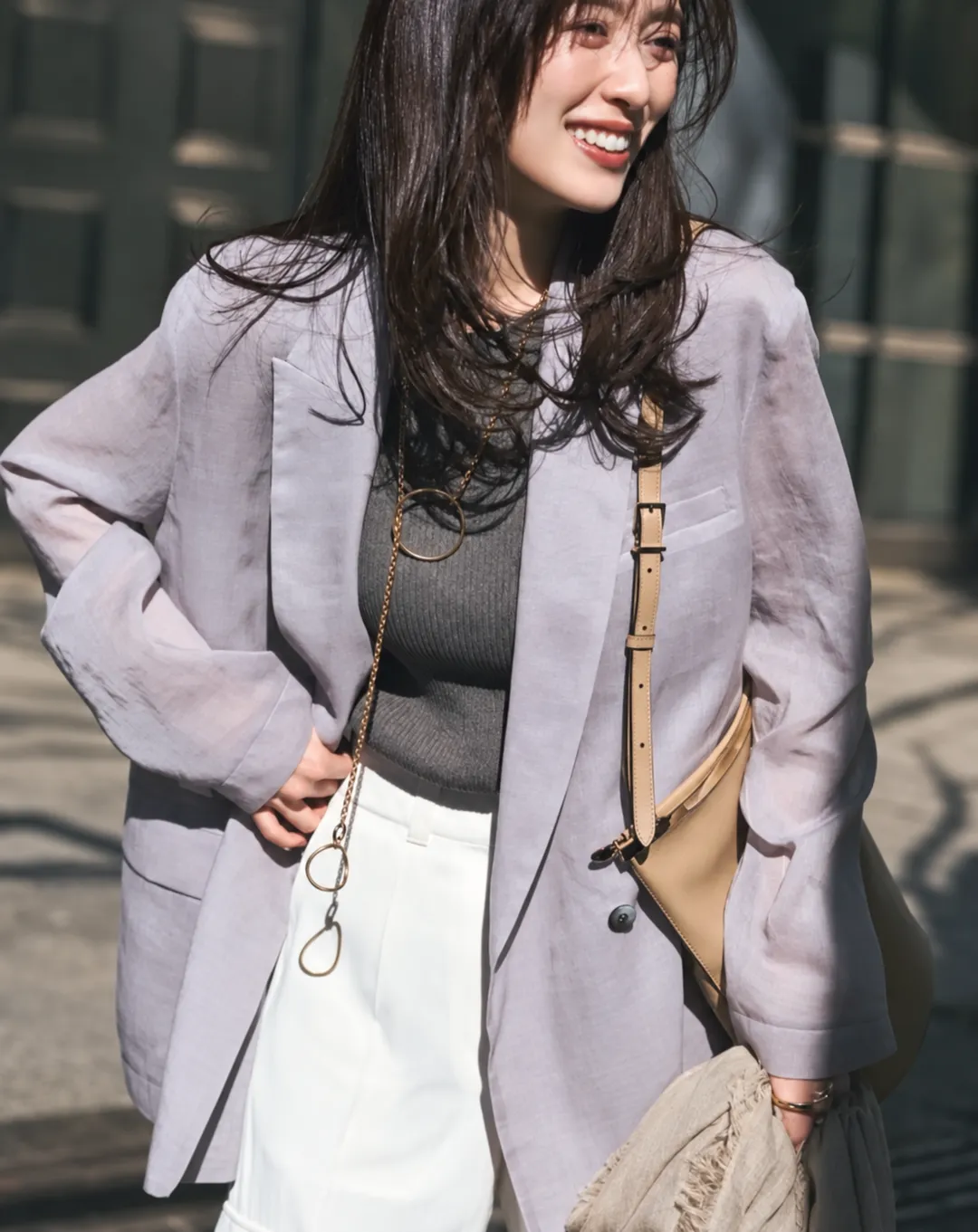
Choosing your summer suit
Linen offers an expressive, relaxed texture, with wrinkles that form part of its character. Silk offers refined luster and tactile pleasure, alongside more demanding care. Lyocell and cupro suit fluid, contemporary silhouettes. For women’s summer tailoring, the best choice balances the intended shape, climate, lining and care routine—not a universal ranking of fibers.

Prepared from the contributor’s complete manuscript and ordered images. Paragraph markers removed. Absolute performance rankings, care guarantees and fiber-label claims qualified; styling references are not laboratory evidence. Selected overlays removed using AI image editing.
Comfort depends on the finished weave, weight, fit, lining and climate. Confirm fiber percentages, usable width, weight units and care instructions against representative samples before ordering.
Sources
Turn a summer-suiting reference into a fabric search
Have a silhouette or texture in mind? Our Keqiao sample-search service can look for available matching or similar fabrics. Send a reference and specify composition, weight, color and hand-feel priorities; appearance alone cannot confirm performance.
Explore the US$99 fabric sample-search service →
Explore the summer suit fabric edit: names, weight and choices →
YOUR NEXT STEP
Put the details to work.
Estimate an order or turn your specifications into a supplier inquiry.