Can you wear a suit in summer?
Wearing a suit in 30°C (86°F) weather? Absolutely YES! We aren't trying to lock gentlemen in a sauna, nor do we harbor any ill intentions. After all, while suits are considered the ultimate, evergreen staple for formal occasions, they are often misunderstood as purely "formal wear"— meaning strict attire reserved strictly for serious, conservative events. Much like this:

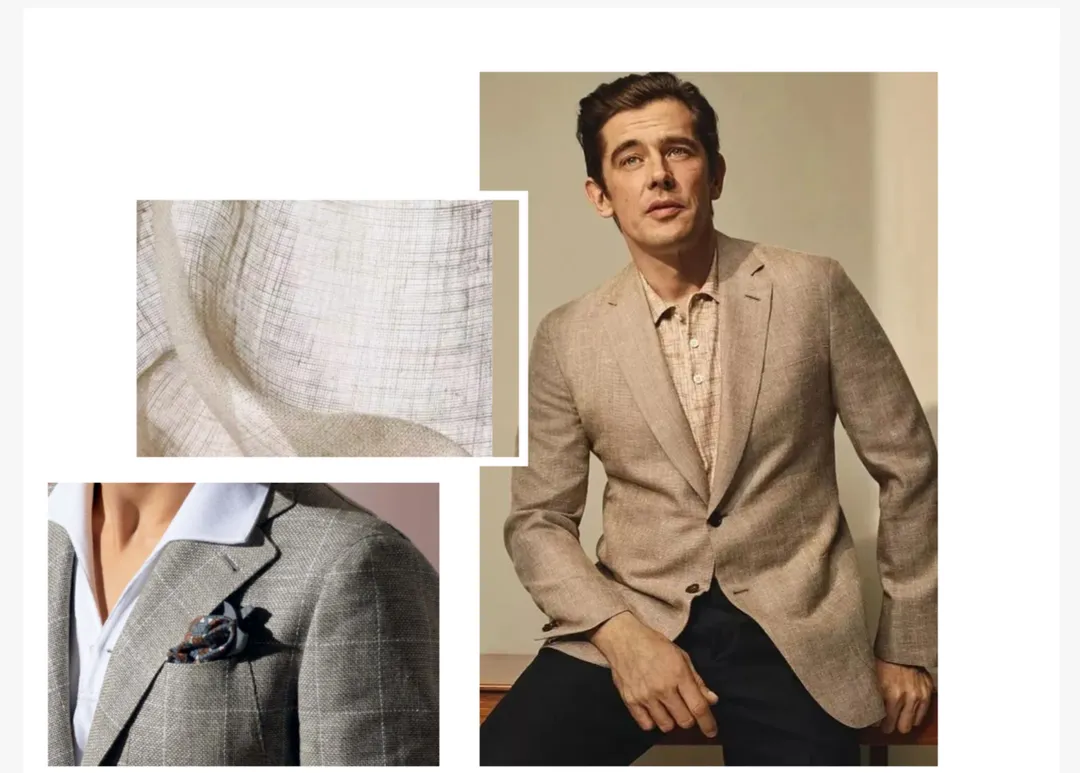
Linen: relaxed warm-weather tailoring
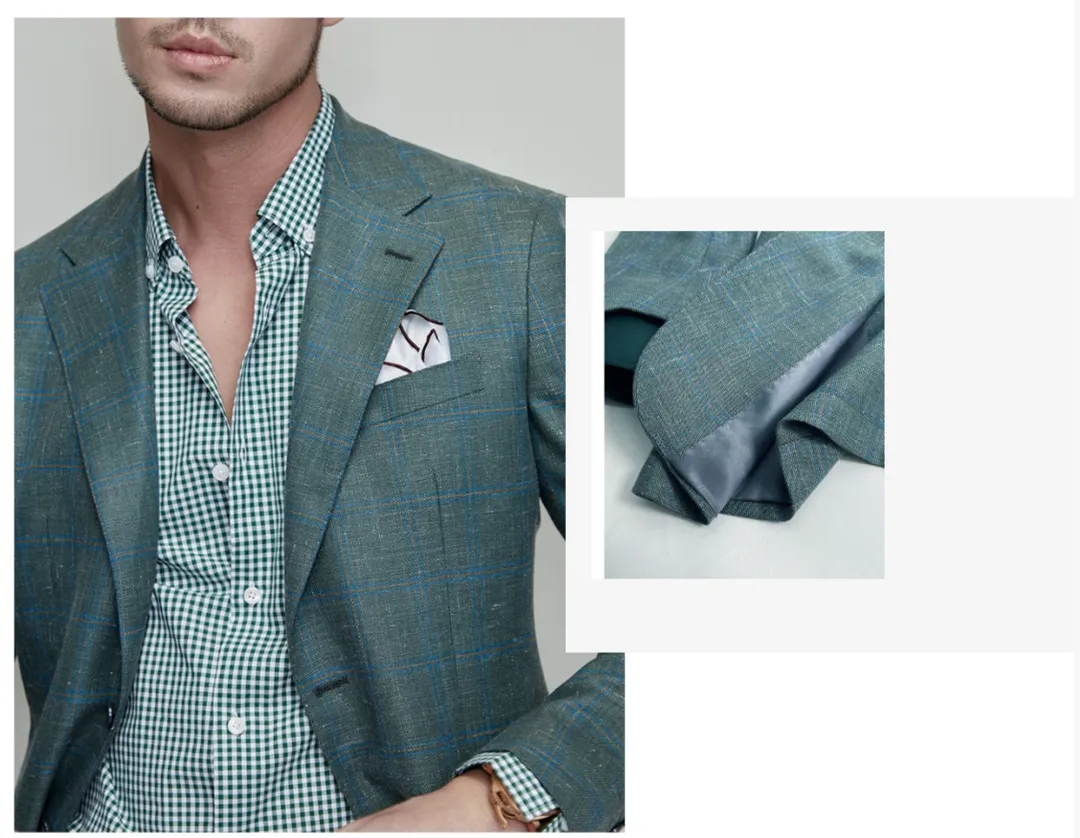
In reality, that isn't the case. Suits encompass far more than just formal business wear; they also include relaxed, casual sport coats and blazers. As long as you choose the right fabric, whether it's a formal suit or a casual odd jacket, you can effortlessly hold your ground this summer. So, let's explore these cooling "beat-the-heat" fabrics for tailored suits! Linen is a classic first option: an open, lightweight construction can provide ventilation and a relaxed appearance. Moisture absorption and the characteristic creasing are part of its appeal, but lining and weave are as important as the fiber name.
Light colors and durability
Light-colored suits often look fresher in summer, but linen can still yellow, crease or deteriorate with unsuitable care. Linen’s fiber strength does not guarantee that every linen cloth is more tear-resistant than wool: yarn, weave and finishing matter. Compare actual fabric performance rather than treating composition as a durability guarantee.
Linen creases and care
However, compared to other suiting materials, linen does carry a distinct drawback: it wrinkles easily. It demands extra time spent ironing and requires consistent daily care and maintenance. Cotton is the next option to consider when accessible pricing and a casual surface are priorities.
Cotton: an accessible casual option
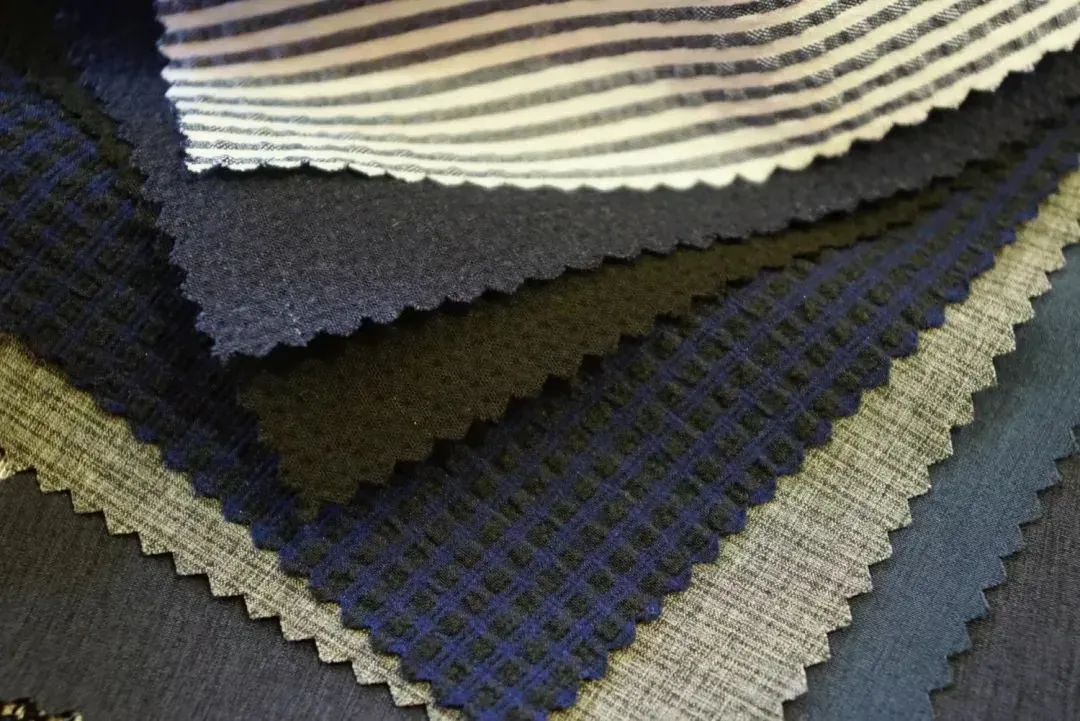
Among natural apparel fibers, cotton stands out for its high frequency of use and accessible cost. Thanks to its skin-friendly nature, pure cotton becomes the finest alternative for those who dislike the slubby texture of linen. That said, cotton shares linen's tendency to wrinkle, making it especially ideal for tailoring casual white summer suits.

Cotton comfort and construction
Cotton delivers an array of exceptional qualities: skin-friendly comfort, a soft hand-feel, excellent dyeability, a subtle natural sheen, and outstanding moisture absorption and breathability. Skin-contact garments crafted from 100% pure cotton feel extraordinarily plush, breathable, and smooth—a useful option for summer when the construction is sufficiently light and open. For business tailoring, lightweight worsted wool offers another route: check fabric weight, weave and lining rather than dismissing wool as winter-only.
Summer wool: weight is not a Super number
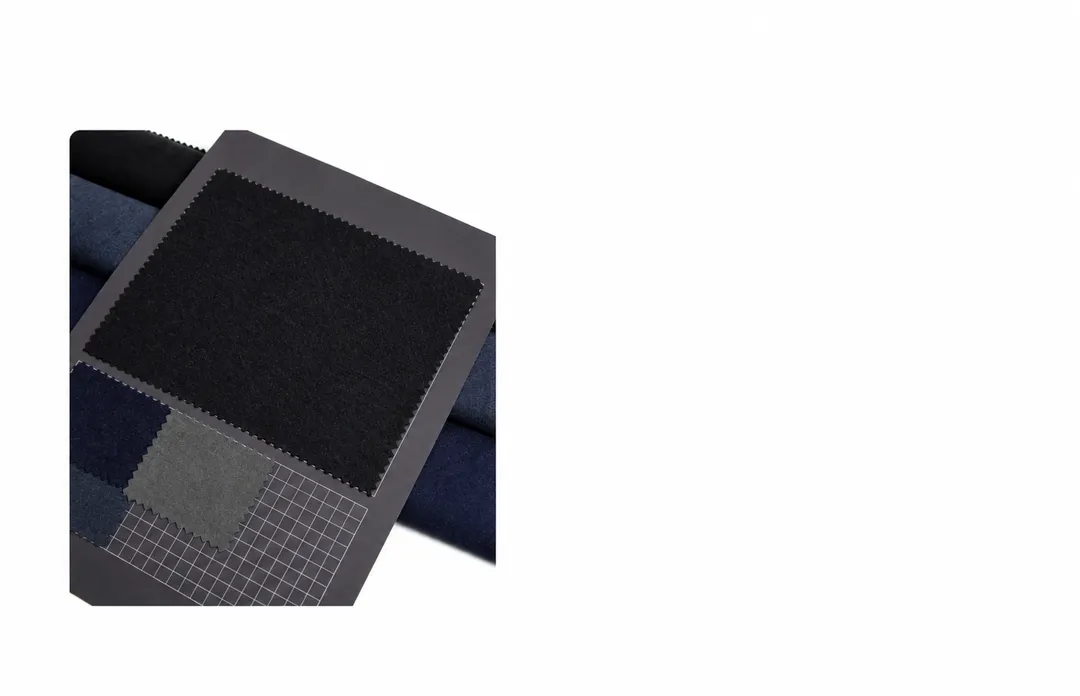
Fine Merino wool can be spun into lightweight worsted cloth suitable for summer tailoring. Confirm the actual fiber composition rather than treating 95% wool as a universal definition of pure wool. Ask whether a quoted weight is g/m² or grams per linear meter. Super S numbers refer to wool fiber fineness, not fabric weight or a guarantee of coolness; an open weave and suitable lining matter more than a high number.
Wool comfort and care
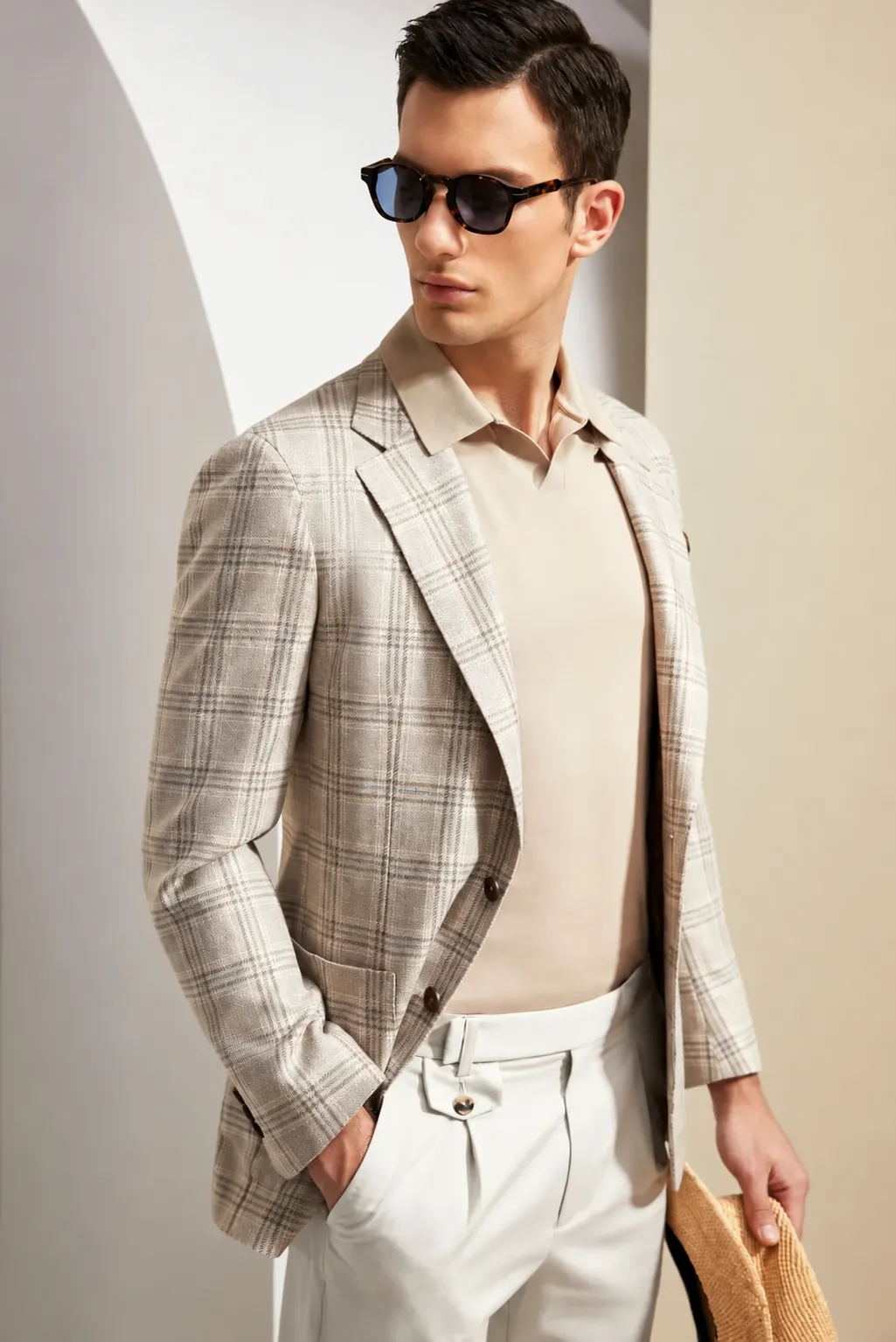
The defining hallmarks of pure wool are its soft hand-feel, thermal regulation, and breathable comfort with comfort that depends on fiber fineness and individual sensitivity. It offers strong wrinkle resistance and rarely builds up static electricity. Often called the fiber that "breathes," wool dynamically adapts to changes in both body temperature and surrounding climate. Where there are pros, there are cons. Its main drawbacks include lower abrasion resistance, a tendency to pill, and vulnerability to moths if stored carelessly in wardrobes. Wool blends offer another way to adjust texture, drape and crease recovery for warm-weather tailoring.
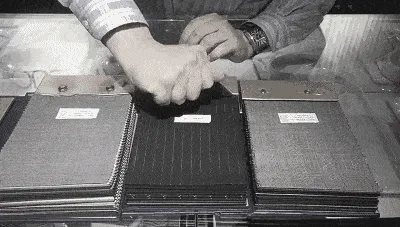
Wool, linen and silk blends
Wool is frequently blended with linen and silk to infuse the fabric with versatile performance characteristics. Blending wool with linen preserves wool's luxurious texture while adding linen's cool breathability and crisp structure. Blending wool with silk maintains wool's tailored sharpness while endowing the cloth with silk's exquisite, subtle luster for an elevated aesthetic. Furthermore, three-way blends of wool, linen, and silk combine the very best traits of all three natural fibers into one exceptional textile.
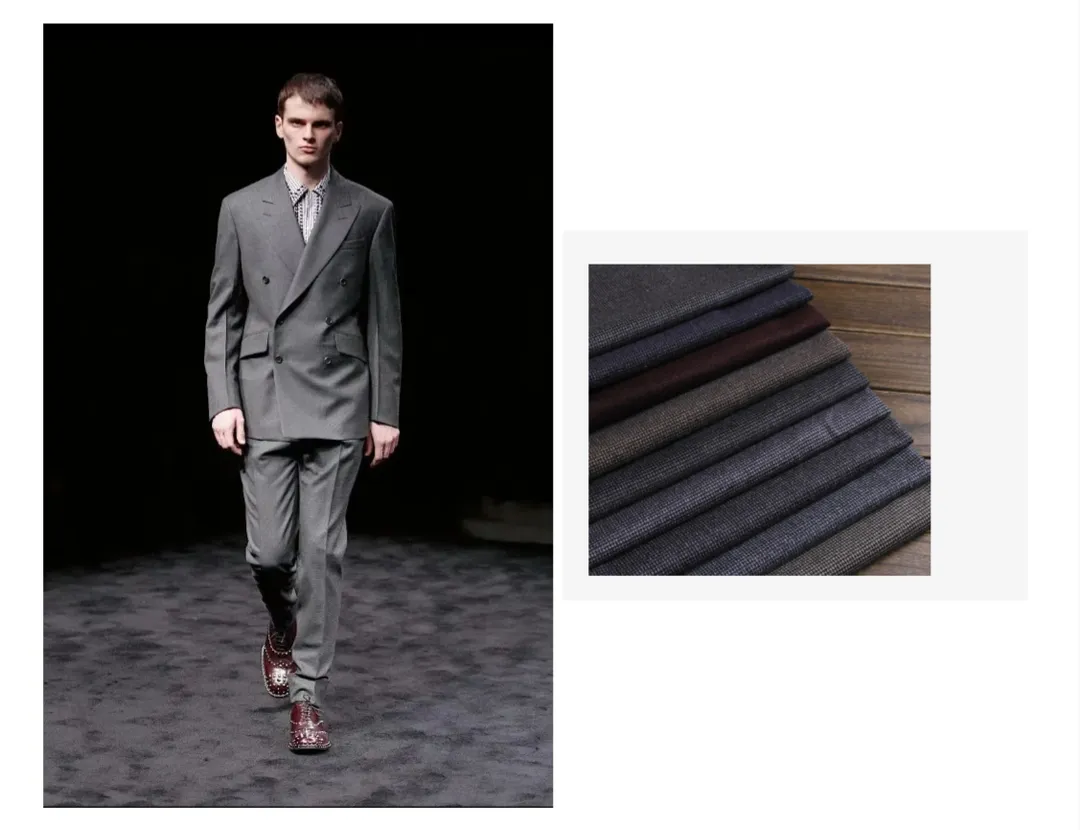
Comparing blended suiting
Wool-linen and wool-silk blends can balance texture, drape and crease recovery. They are not necessarily lighter, thinner or more expensive than pure wool: compare weight and construction at the same specification. For spring and summer tailoring, handle representative swatches and assess ventilation and recovery after sitting.
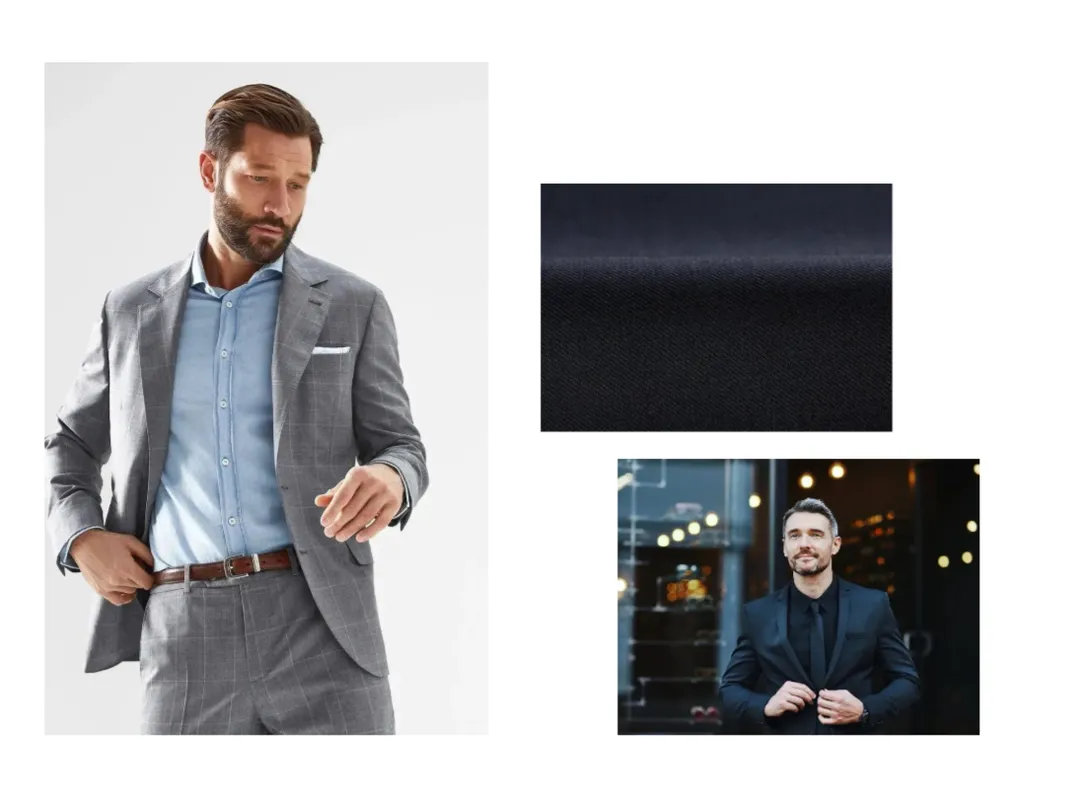
Seersucker: the summer classic
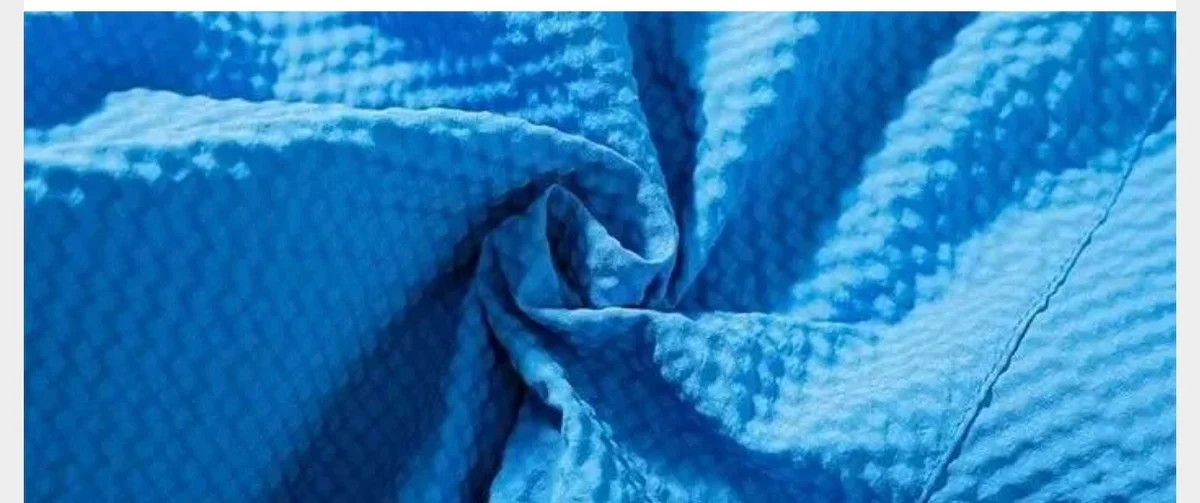
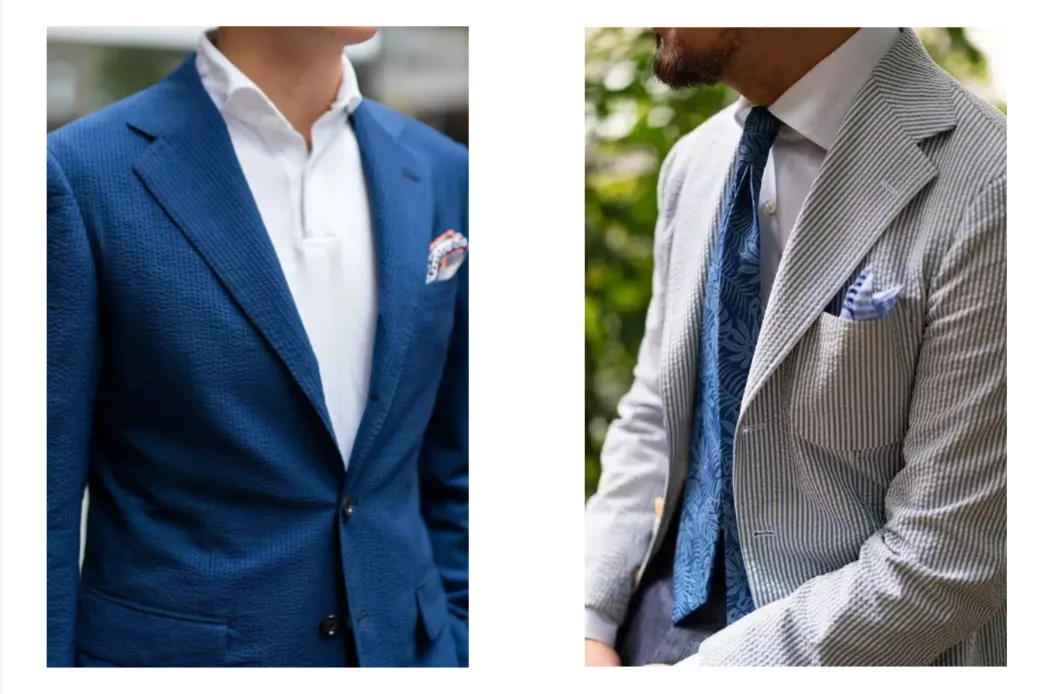
Seersucker is a summer classic worth considering when a deliberately textured, less formal suit fits the occasion. Its puckered surface changes how the cloth sits against the body, while fiber blend and construction still govern weight, care and performance.
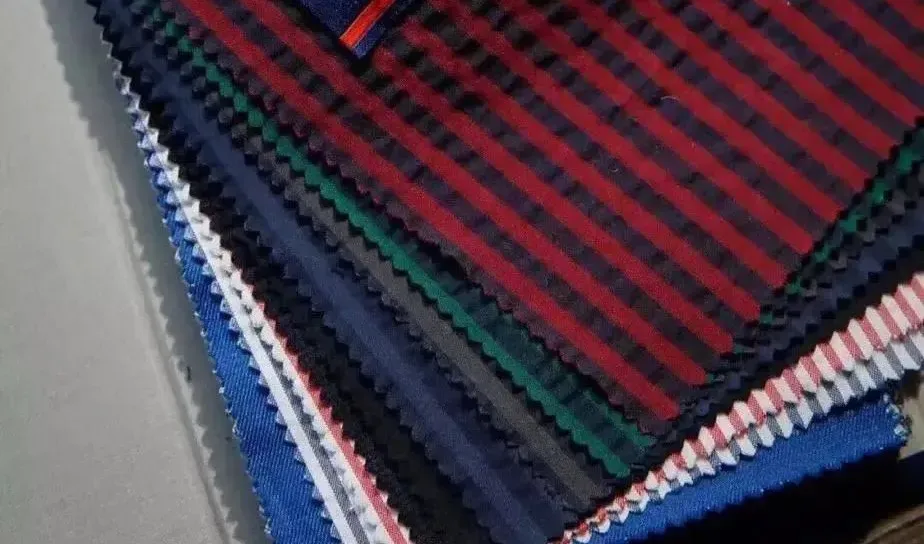
Woven versus chemically puckered
Seersucker is defined by alternating puckered and flatter areas, not exclusively by pure cotton content. Traditional woven seersucker uses differential warp tension; chemically puckered alternatives use a different route. Cotton and blended versions both exist. Confirm how the texture is produced and whether it remains after the intended cleaning cycle.
Airflow and texture
The natural puckered texture of seersucker reduces the surface area of cloth touching the skin, supporting airflow and ventilation inside the garment. Cling still depends on fit, moisture and the actual construction. Featuring a distinctive puckered appearance and lightweight feel, it sits away from the body and is generally worn without flattening the puckers; follow the garment care instructions. As a cool breeze blows through, its airy comfort makes it a superb choice for summer suits.

Mohair for crisp tailoring
Mohair adds another option for summer tailoring, particularly in blends with wool. Its springy character can support crisp lines and crease recovery. Judge the finished cloth’s weight, openness and hand-feel rather than assuming every mohair fabric is intended for hot weather.
What mohair actually is
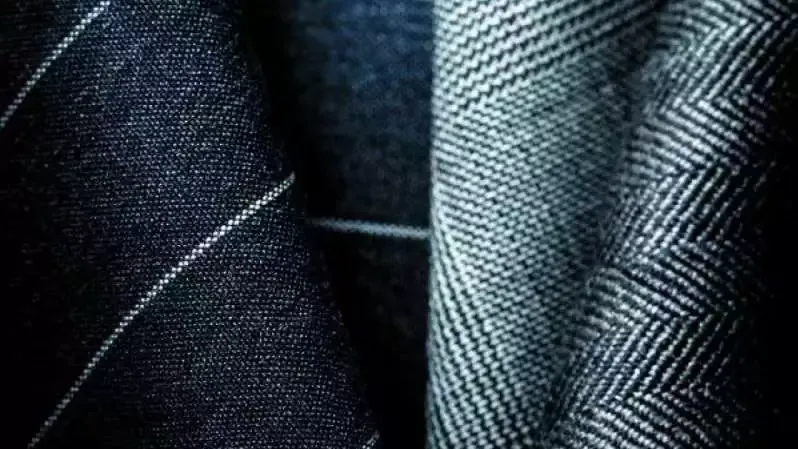
Mohair comes from the Angora goat, not sheep. It is valued for luster and resilience and is often blended with wool for tailoring. Depending on fiber grade and cloth construction it may feel firmer than fine wool, so check next-to-skin comfort as well as the visual finish.
A practical summer choice
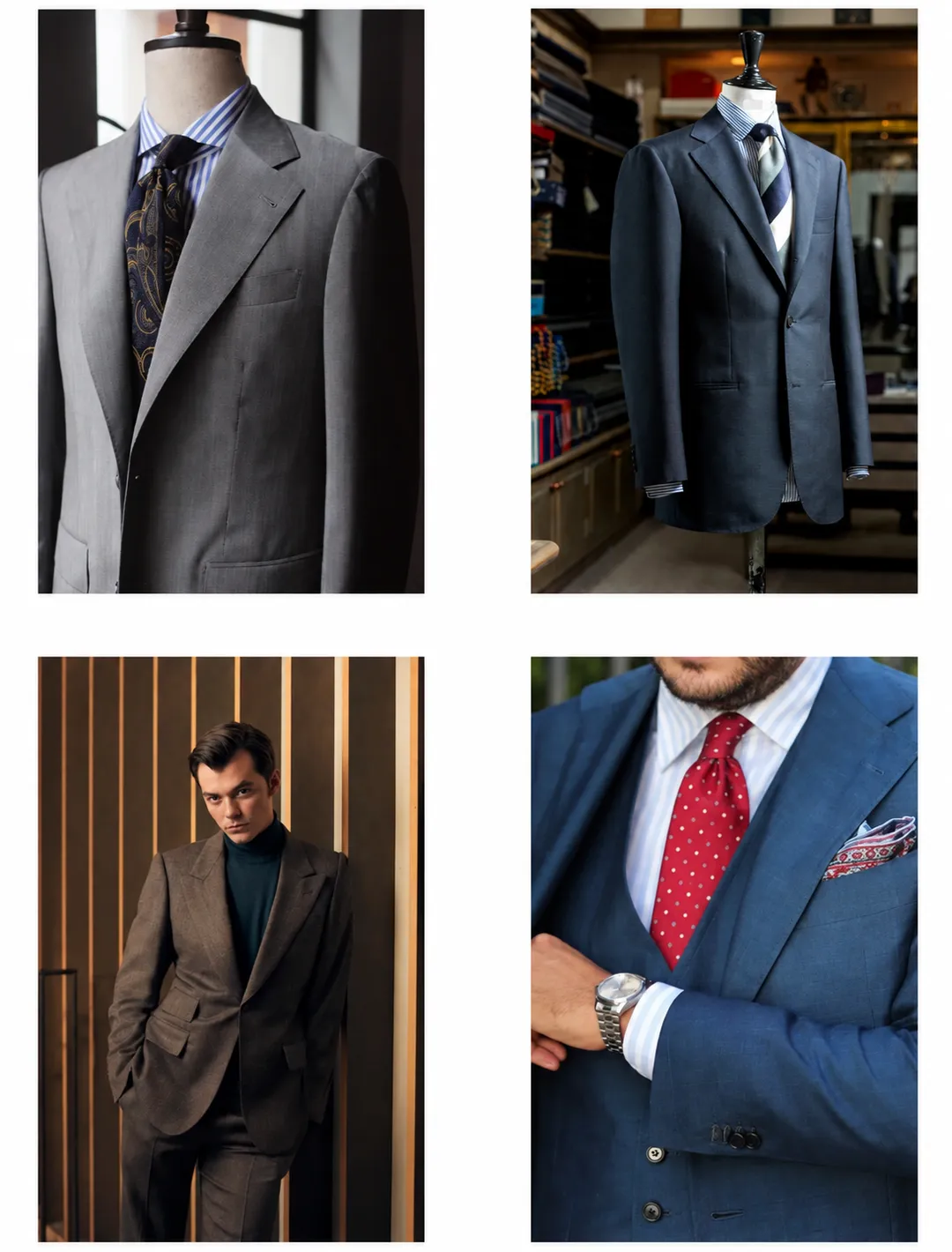
Mohair-rich blends can bring springy resilience, a clear surface and crisp tailoring. They are not exclusively summer fabrics or automatically stain-proof, non-pilling or easy to clean. Choose among linen, cotton, lightweight wool, blends, seersucker and mohair according to climate, formality and care needs; confirm the finished specification before ordering.
Prepared from the contributor’s complete manuscript and ordered images. Paragraph markers removed. Absolute performance rankings, care guarantees and fiber-label claims qualified; styling references are not laboratory evidence. Selected overlays removed using AI image editing.
Comfort depends on the finished weave, weight, fit, lining and climate. Confirm fiber percentages, usable width, weight units and care instructions against representative samples before ordering.
Turn a summer-suiting reference into a fabric search
Have a silhouette or texture in mind? Our Keqiao sample-search service can look for available matching or similar fabrics. Send a reference and specify composition, weight, color and hand-feel priorities; appearance alone cannot confirm performance.
Explore the US$99 fabric sample-search service →
Explore the summer suit fabric edit: names, weight and choices →
YOUR NEXT STEP
Put the details to work.
Estimate an order or turn your specifications into a supplier inquiry.