Social attention can move faster than your buying and production cycle. Measure the gap between discovery and launch, test demand with your own customers, and limit inventory commitments before chasing a trending style.
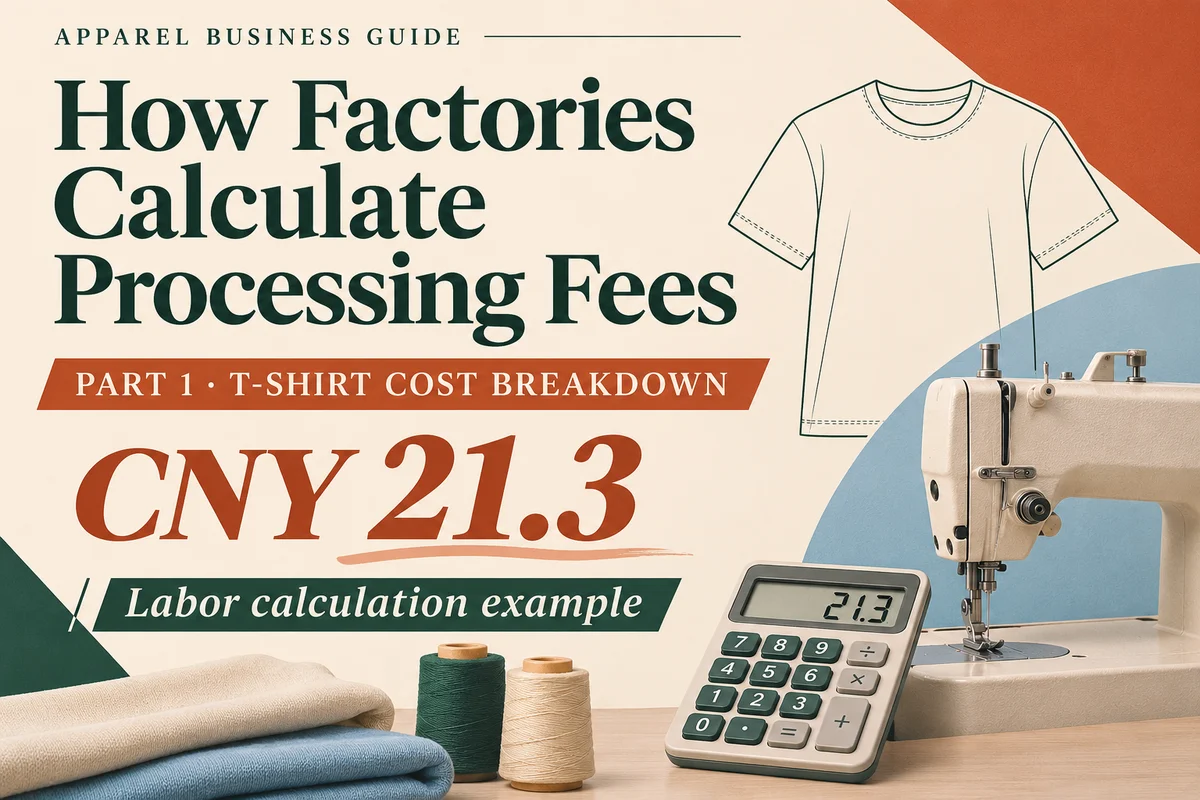
The supplied example totals CNY 21.3 in allocated labor. It illustrates a calculation, not a universal T-shirt rate: confirm time, efficiency, overhead and quotation scope before comparing a CNY 25–35 offer.
A hanger that suits a medium sample may not support the smallest and largest sizes. Check both ends of the size range, then record which width and profile works for each garment.
An opinion on using runway references for high-volume commercial styles: extract four practical signals, then validate them against your own market. The title’s 90% is a rhetorical opinion, not a measured statistic.
Marchesa worked with Keqiao textile businesses on its Spring 2027 presentation. The sourcing lesson is to evaluate co-development and repeatable quality, while separating a red-carpet brand’s reputation from evidence about a specific fabric or gown.
A beginner’s guide to 15 factory options for tees, hoodies and other garments. See how each print is made, what it looks and feels like, and what to check before placing an order.
Start with a customer, a price band and an on-sale date. Use those constraints to decide what to make, how much to buy, and which approvals need to happen before bulk production.
If a lookalike appears on Alibaba before your launch, preserve evidence before confronting the supplier. Prevention combines clear rights and permitted-use terms with proportionate access controls; enforcement depends on the contract, protectable subject matter and facts.
Read fabric quotations, approve samples and review inspection reports with greater clarity. Four tables explain 40 textile terms and the questions to confirm before placing or releasing an order.
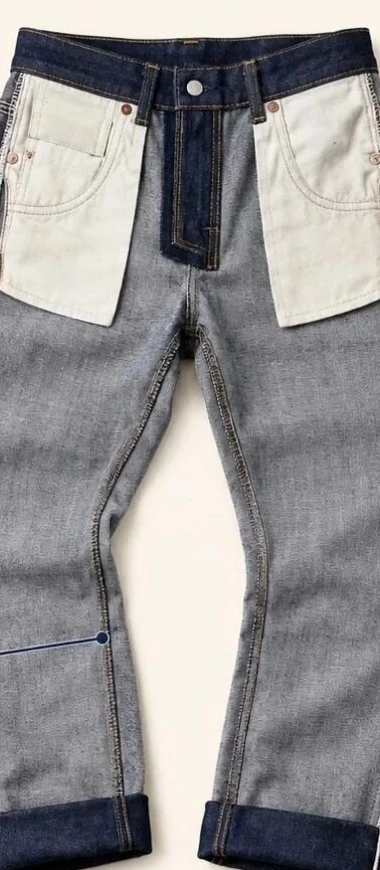
Turn a pair of jeans inside out and follow the seam allowances. The raw-edge finish, direction of the allowance and visible stitching help distinguish four construction approaches—and explain what to specify before washing and bulk production.
Before requesting a first cut-and-sew sample, define what the garment must prove. This contributor guide explains the fit, fabric, artwork and quantity details to confirm—and which approvals can remain provisional.
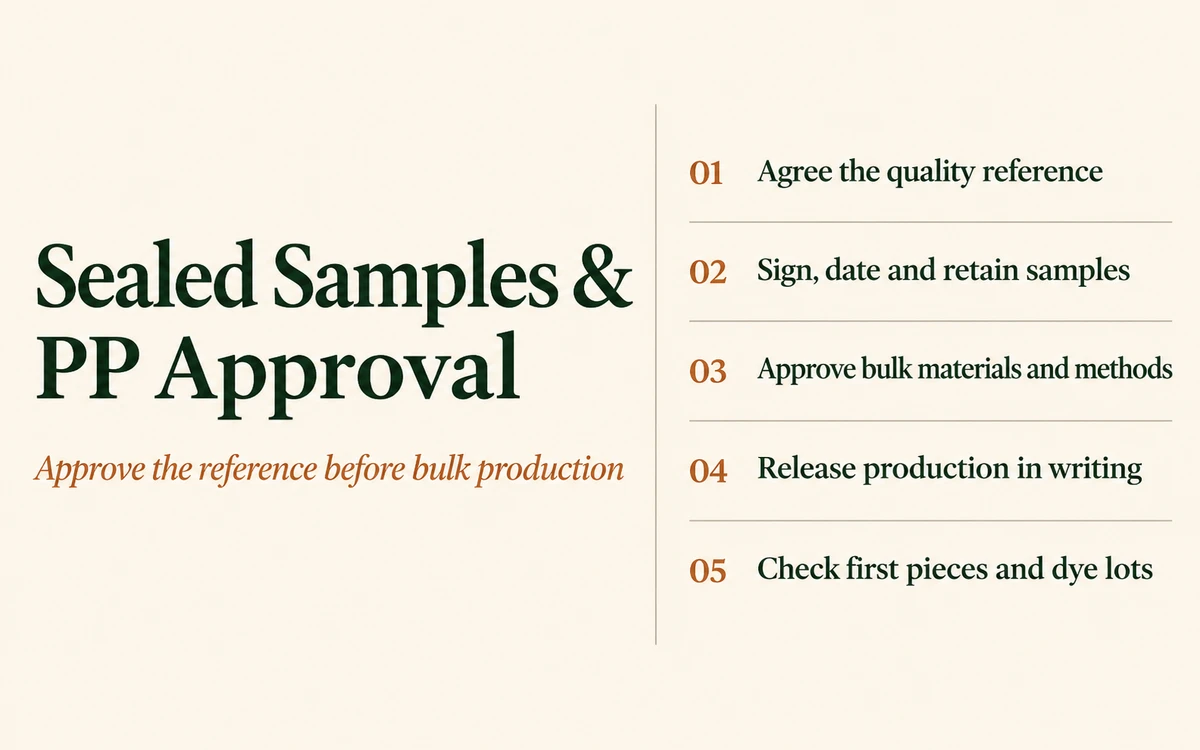
A sealed sample gives the brand and factory an agreed physical reference for bulk production. Link it to the approved specification, written PP sample approval and inspection criteria so quality decisions do not depend on conflicting memories.
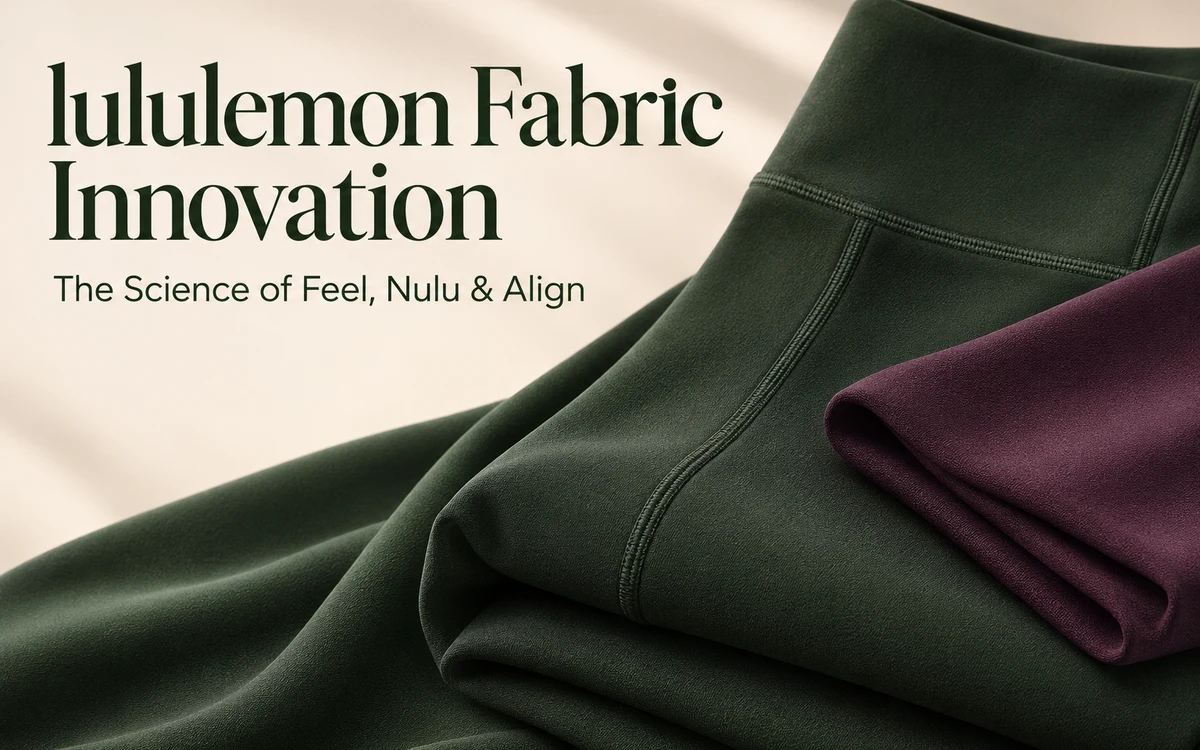
lululemon’s Science of Feel connects the sensation a wearer wants with fabric, fit and garment construction. The useful lesson for emerging activewear brands is a repeatable development process: define the experience, test material choices, and preserve that experience in production.
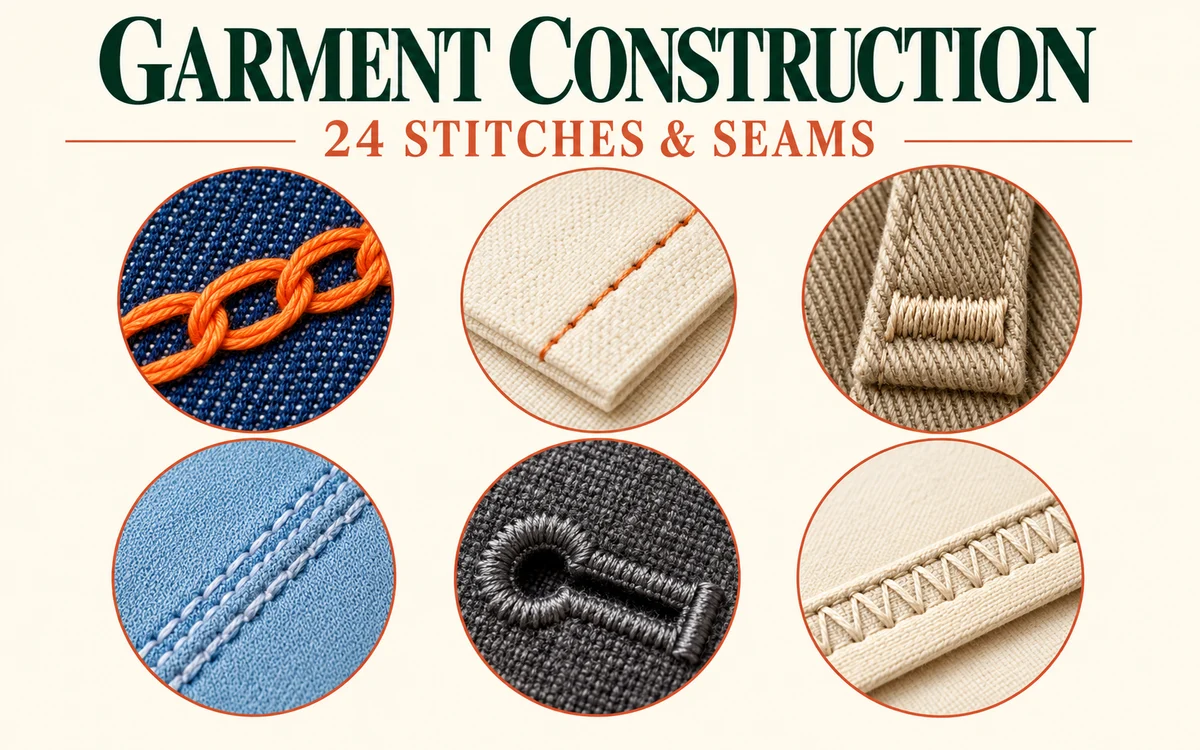
Understand 24 illustrated sewing reference entries—from plain and French seams to coverstitch, bartacks and flatseaming—and learn which construction details to confirm with your garment factory.
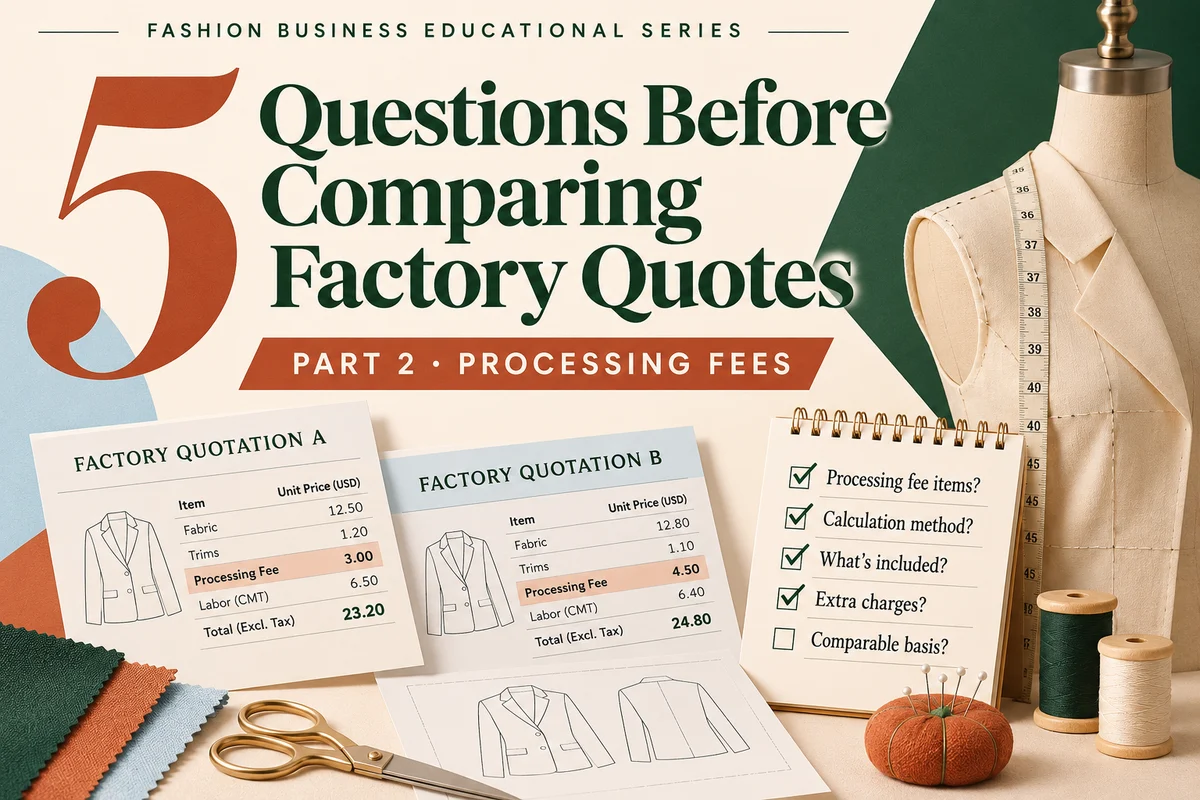
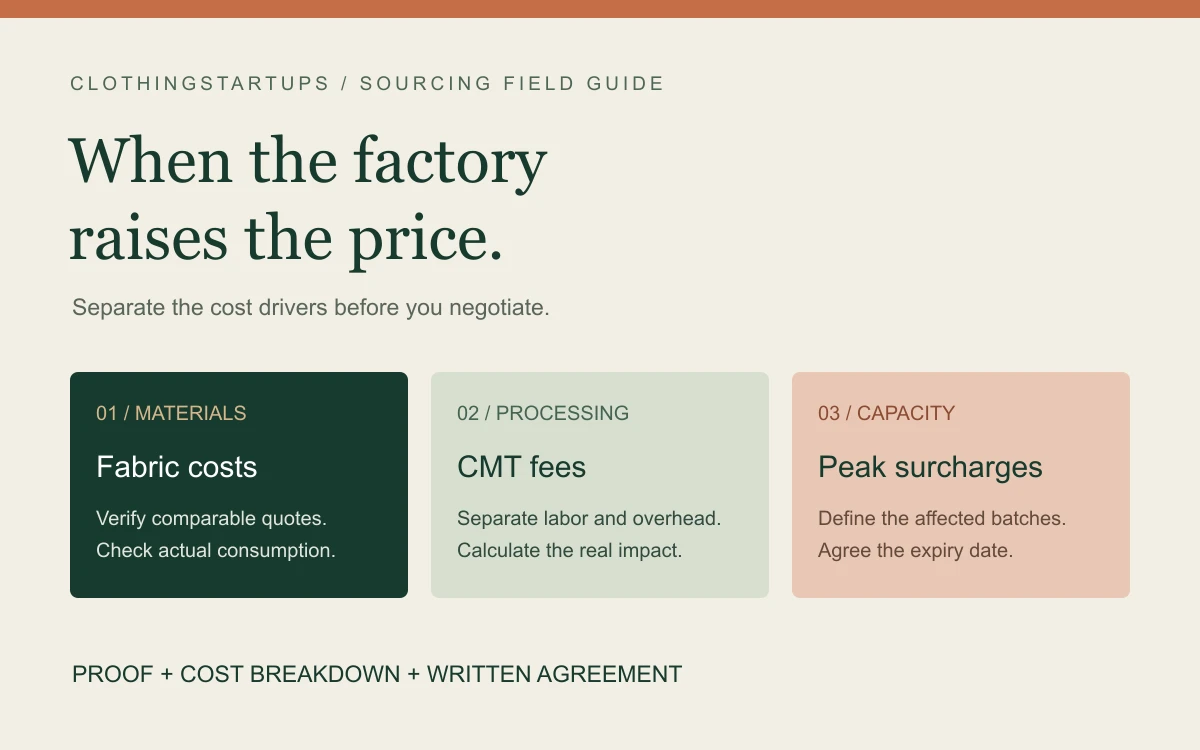
Separate material inflation, labor-cost changes and capacity surcharges. Request evidence, calculate the actual garment-level impact and agree clear adjustment rules before accepting a higher factory quotation.
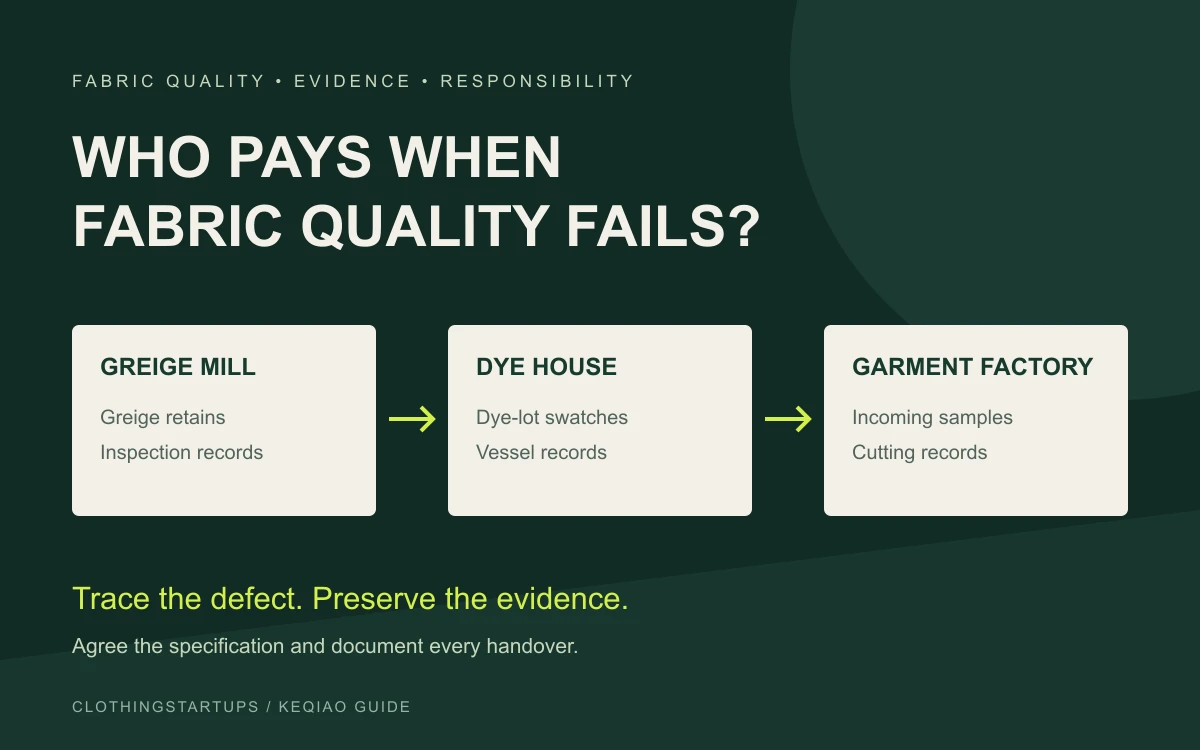
A defect discovered in a finished garment may originate much earlier. Follow the evidence through weaving, dyeing and cutting, preserve retained samples and check the agreed claim process before assigning responsibility.
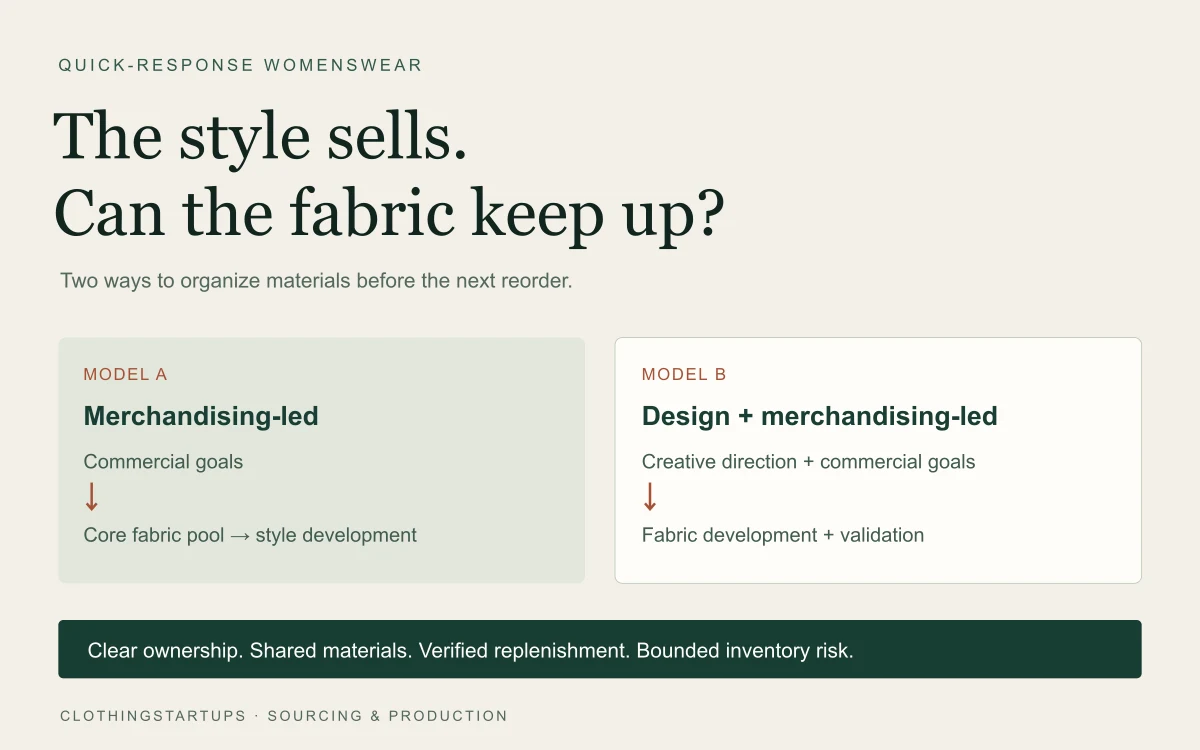
Fast sewing capacity cannot compensate for unprepared materials. Explore how demand planning, fabric-team authority and two organizational models affect womenswear replenishment.
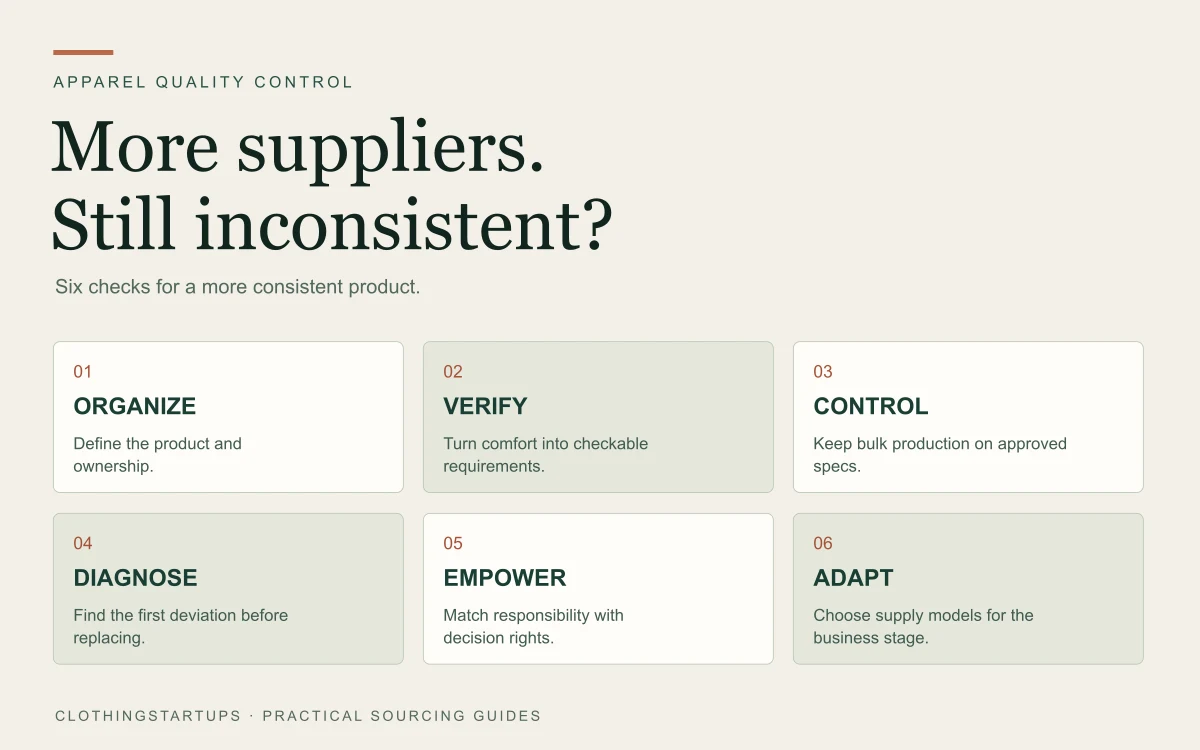
Supplier access is only the starting point. Use this six-part checklist to translate customer needs into product specifications, coordinate partners and keep bulk production consistent.
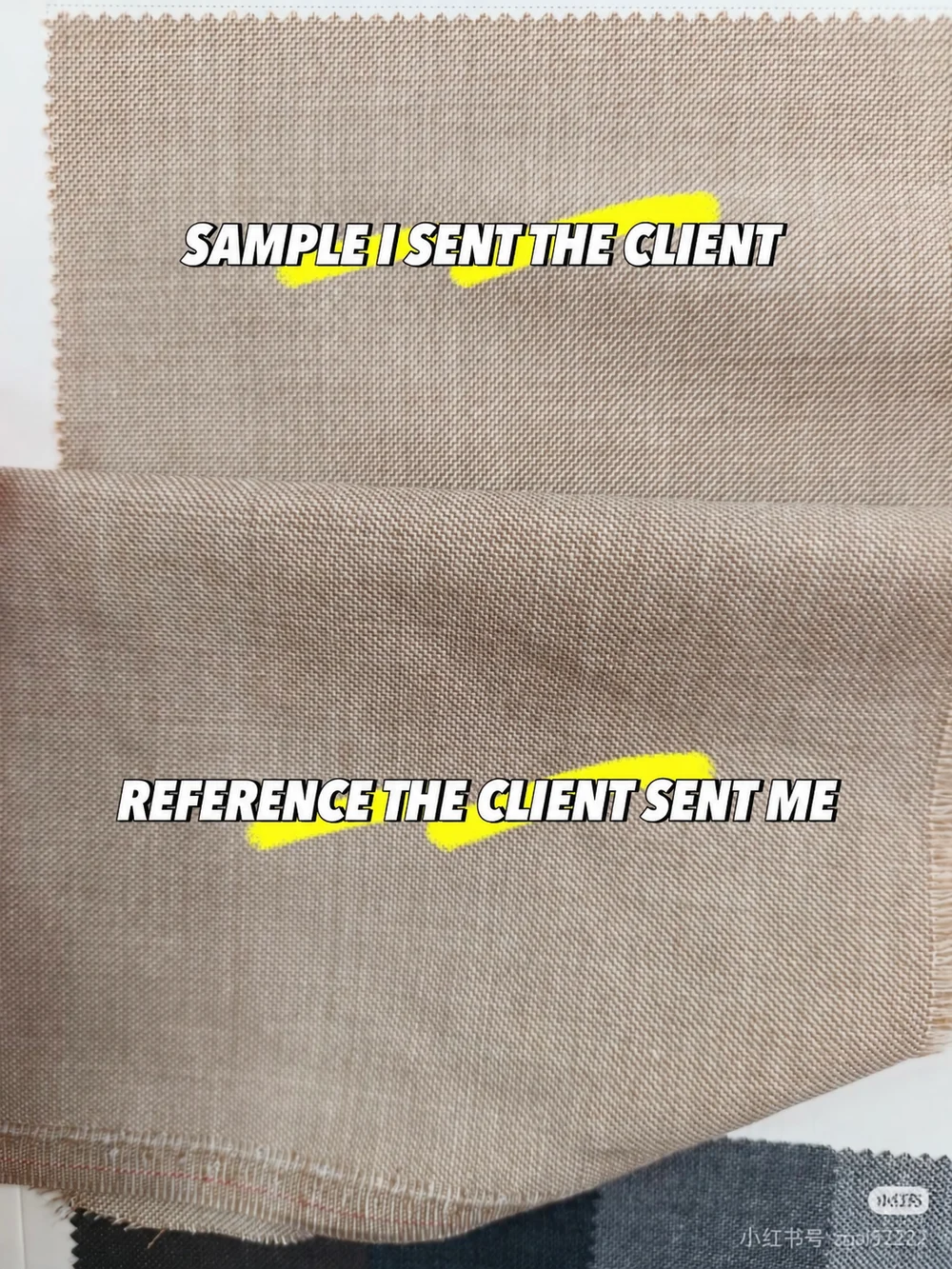
Meet the swatch runners who turn a reference scrap into a shortlist of fabric options—and learn what brands still need to verify before approving bulk production.
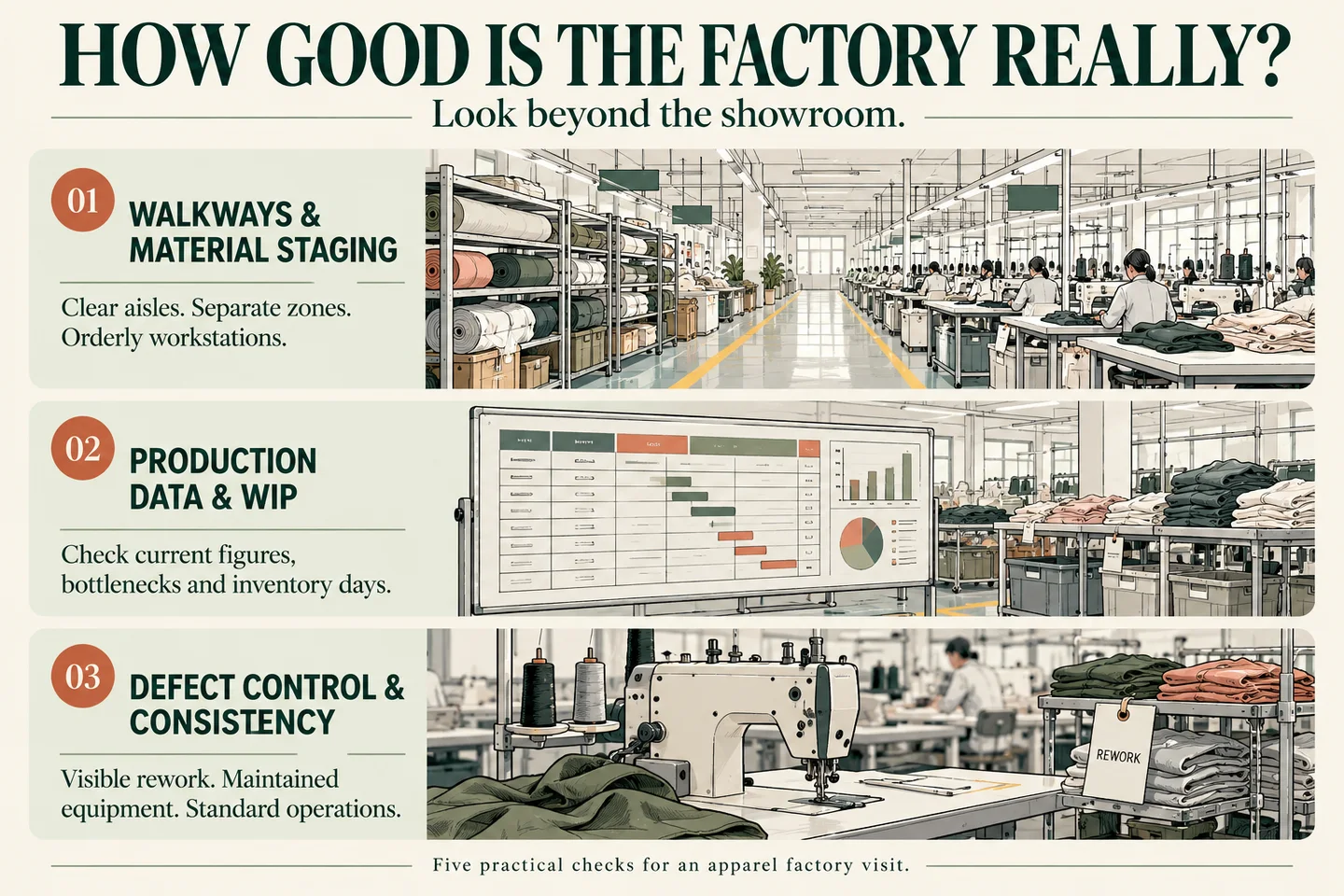
A showroom tells you how a factory presents itself. A shop-floor walkthrough gives you evidence to question: material flow, current data, WIP queues, defect handling and the way operators work.
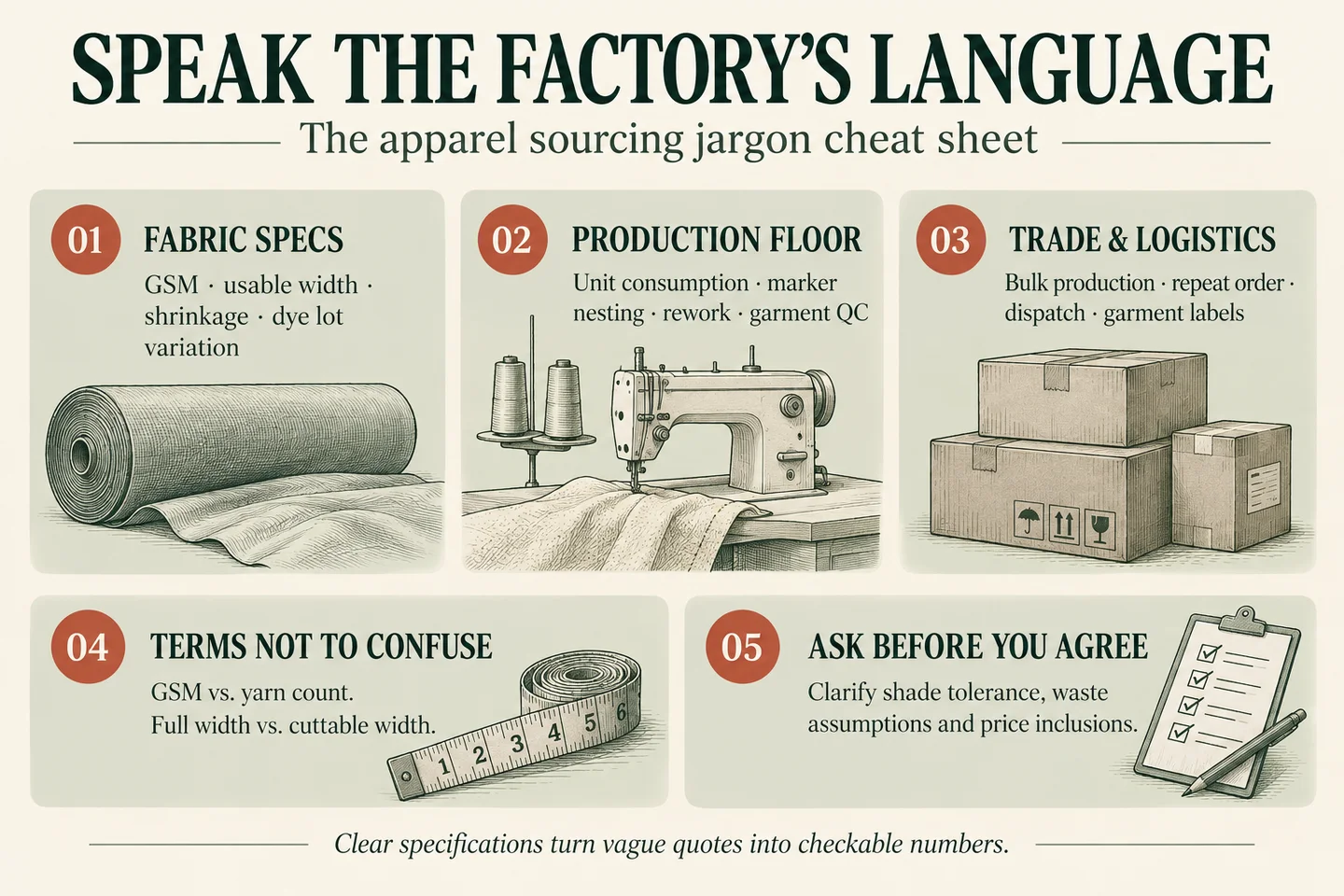
Factory language should lead to checkable specifications, not vague assurances. Learn the fabric, production and commercial terms that affect garment quotations, approvals, inspections and shipment planning.
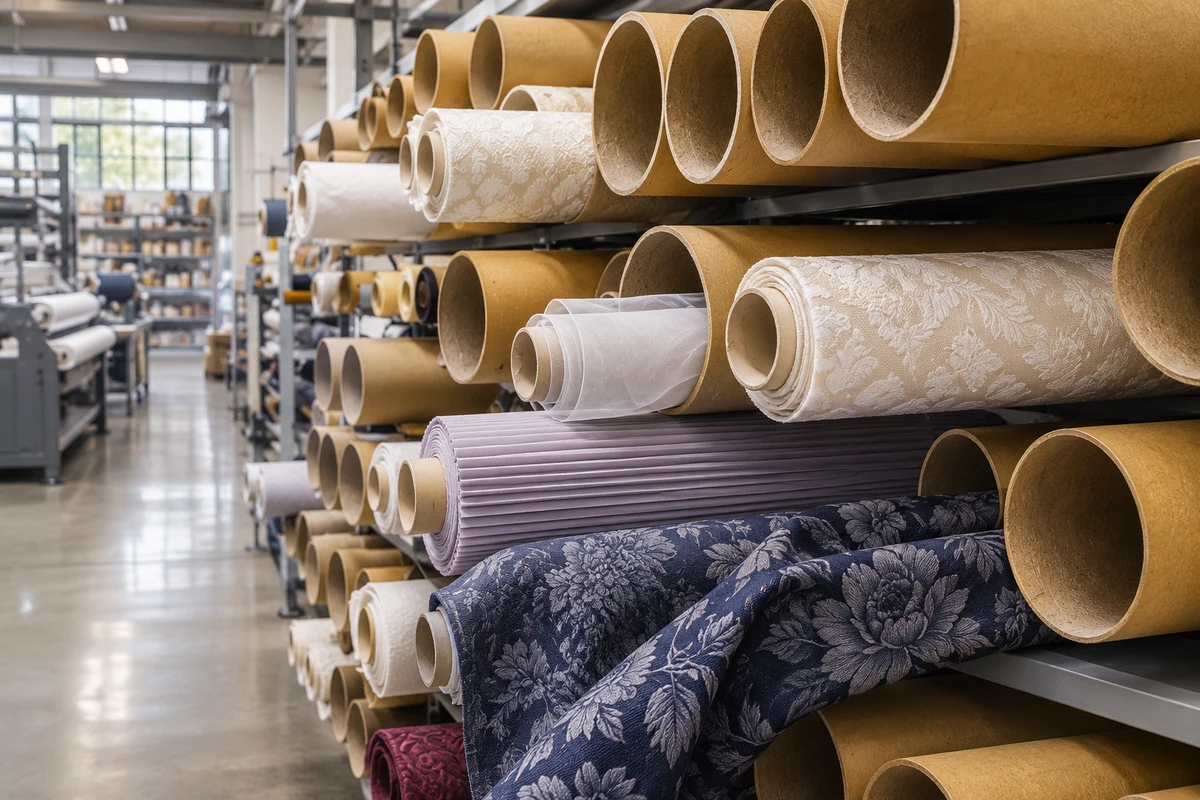
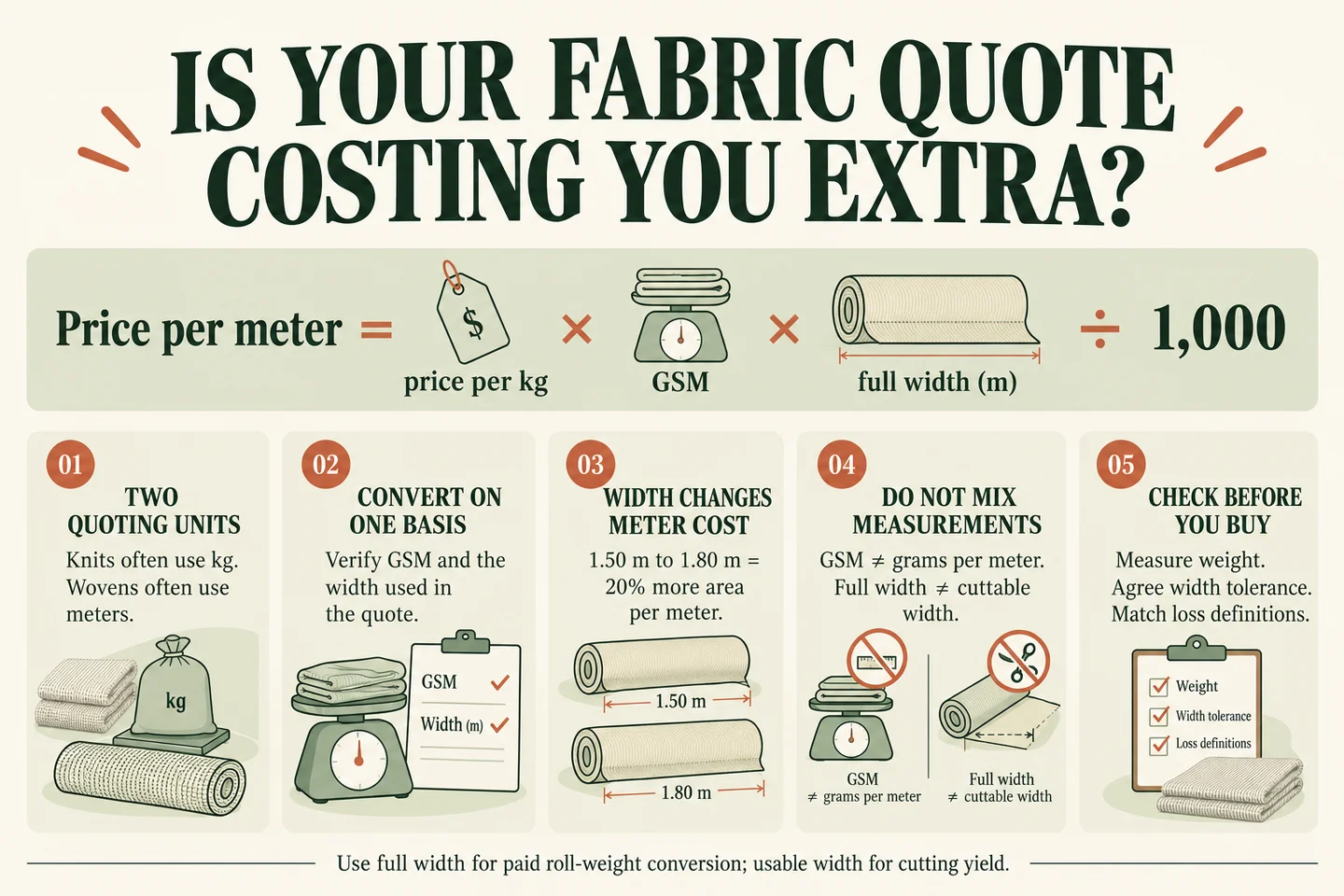
A low price per kilogram is not a complete sourcing quote. Verify GSM, billed width, usable width and net roll weight before comparing meter prices or estimating garment yield.
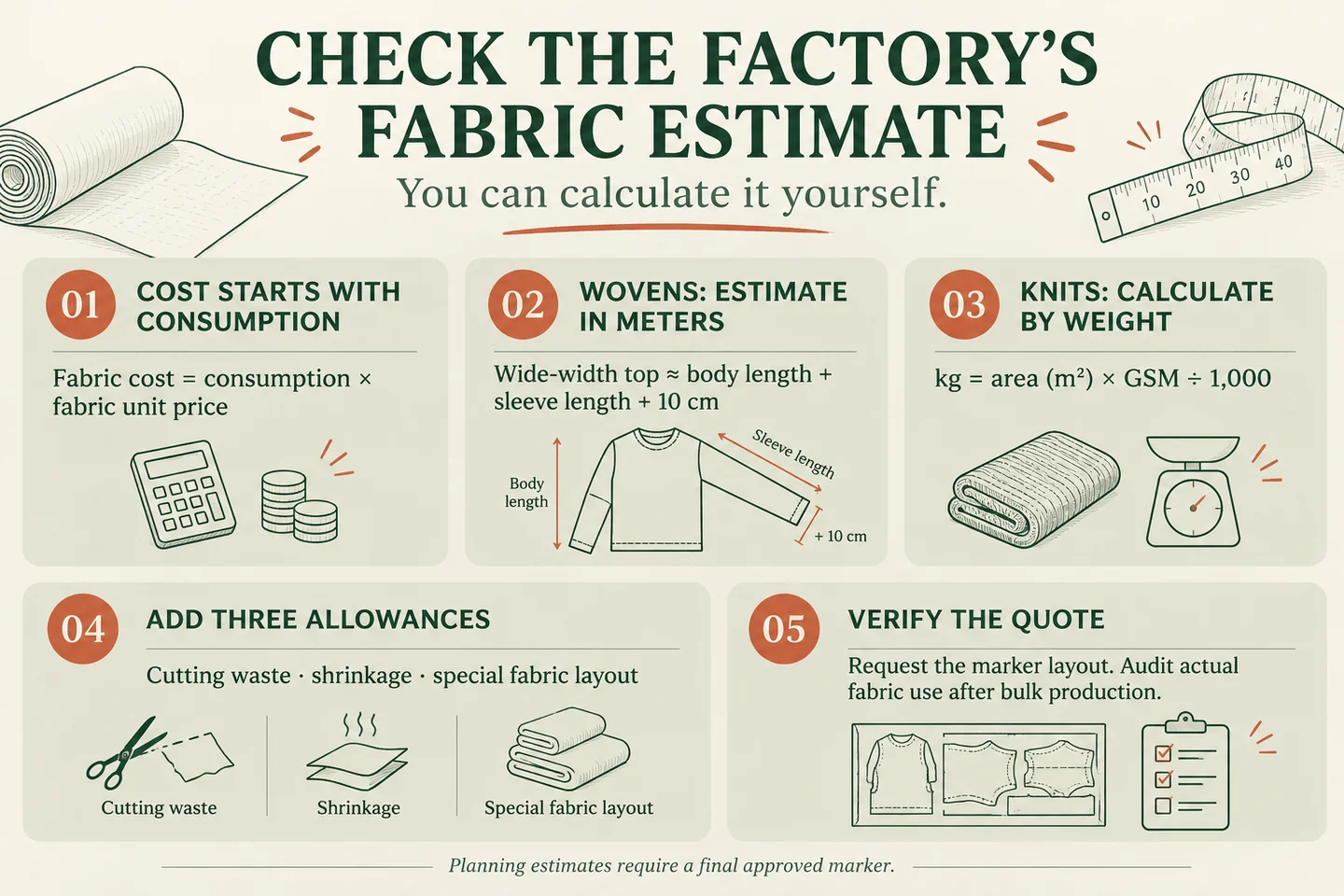
Fabric consumption sits underneath every garment quotation. Learn to estimate meters for wovens and kilograms for knits, check the allowances, and compare the factory’s figure with an approved marker and actual production use.
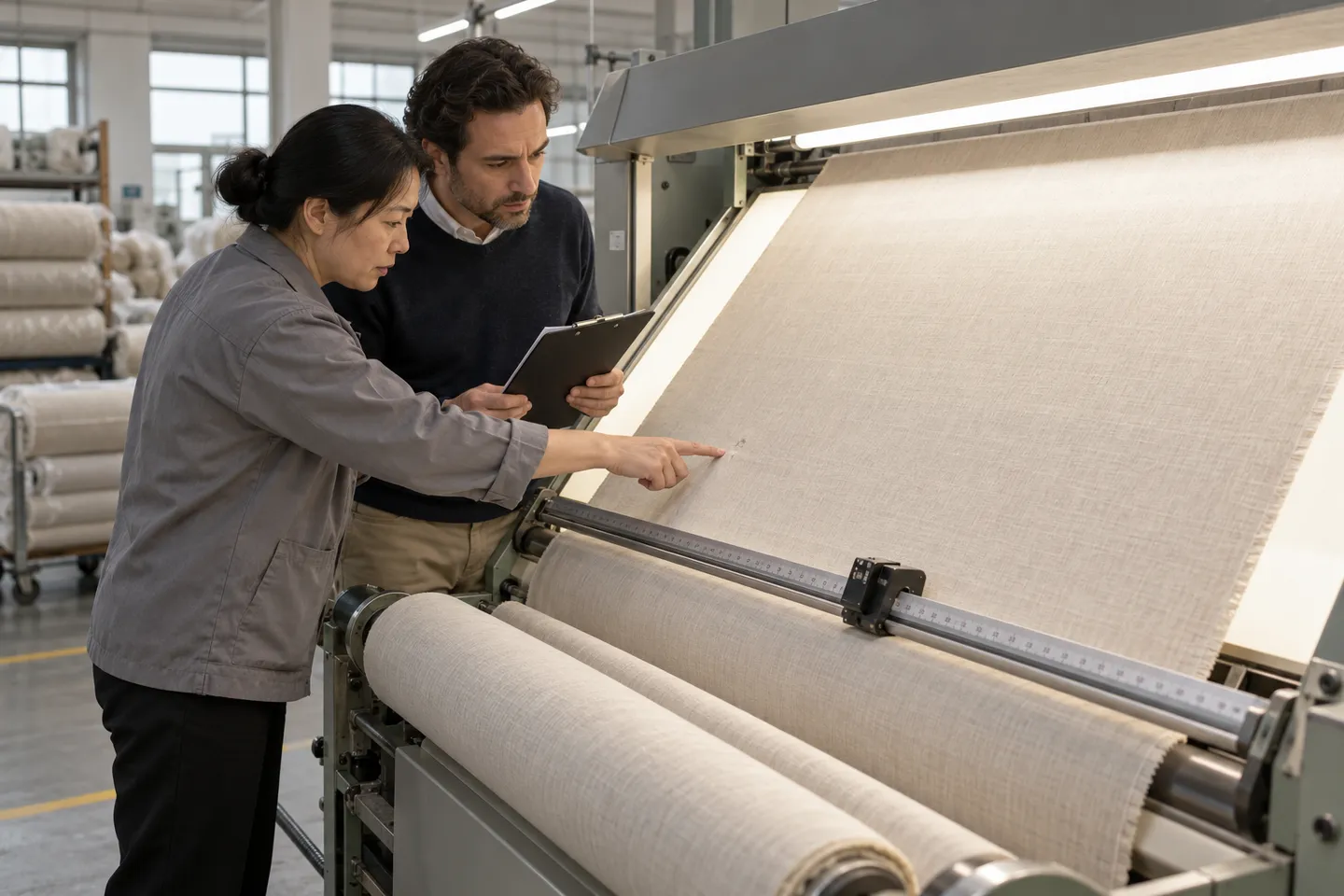
When a shipment arrives with defects, a shared grading method turns vague impressions into a documented decision. Use the penalty tables, calculate points per 100 square yards, and agree the acceptance rules before ordering.
Two quick-dry shirts can both say “100% polyester” while carrying very different prices. The label alone cannot tell you whether their yarn, knit, finish or quality standards match—and the retail gap cannot be read straight back into fabric cost.