The Swatch Runners of Keqiao
In the market lanes of China Light & Textile City in Keqiao, fabric sourcing often begins with a small scrap of cloth. An agent may carry reference swatches from a brand office far away, searching for the closest construction, hand feel and commercially workable alternative.
Locally, this work is often described as 找样—finding a sample. In this guide, “swatch runner” refers to the people doing that search. Some work independently; others are part of trading or sourcing businesses. Their scope varies, so a sample search should not be assumed to include factory audits, laboratory testing or bulk quality control.
The Complexity Behind a Simple Fabric Search
Keqiao is a major textile trading hub, with an extensive network of market vendors, traders and production suppliers. The difficulty for an off-site brand is not simply the number of options: apparently similar fabrics may differ in GSM, yarn count, construction, finishing and price. Different vendors may also use different trade descriptions for similar goods.
Local market knowledge helps narrow the search. Which vendors handle circular knits or heavier wovens? Which can explain how a puckered fabric was produced? Who holds stock, and who is offering custom weaving or dyeing? An experienced agent uses these questions to organize the search rather than relying on photographs alone.
From Reference Scrap to a Usable Swatch Card
The process starts by establishing what the reference can actually tell you. A small sample may reveal construction and approximate weight, but it cannot establish the original roll’s usable width, current stock level or verified fiber percentages. Those details need supplier confirmation or testing.
A practical workflow is: receive the reference → examine construction → measure or request key specifications → compare stretch and hand feel → search the market → screen supplier information → assemble a shortlist.
A useful swatch card identifies proposed close matches, functional alternatives and stock options separately. It records supplier references, quoted prices and units, usable width, MOQ, lead time and any unverified information. “Exact match” should remain subject to agreed checks rather than visual similarity alone.
1. Design Validation: Making the Sample Stage More Useful
A fashion sketch rarely specifies only one workable material. A summer dress might be developed in cotton, a fluid viscose blend or a puckered polyester/cotton fabric, with very different results.
Written specifications cannot fully predict how a garment will fall or feel. Designers may request several meters of sample yardage from shortlisted options to make prototypes and compare fit, drape and sewing behavior. The required length depends on the garment, size and testing plan.
A sourcing agent can help locate and coordinate these samples. Designers and production teams still need to approve the resulting garment and assess laundering, shrinkage and other relevant performance.
2. Bulk Production: Why Ready Goods Matter
Once a style is selected, the questions shift toward continuity and delivery. Custom weaving and dyeing can involve development time, MOQs, shade approval and production scheduling. Existing stock can shorten the route to sampling or shipment when suitable goods are genuinely available.
But ready goods do not lock in every variable. Confirm the available quantity by color and dye lot, reservation terms, replenishment prospects, usable width and actual dispatch date. A vendor’s swatch book is not proof that the required bulk is on the shelf.
Before purchase, approve bulk-representative samples and define inspection requirements. An existing market option may reduce development work, but it does not by itself verify quality or guarantee a 48-hour delivery.
More Than Legwork: Knowing What to Verify
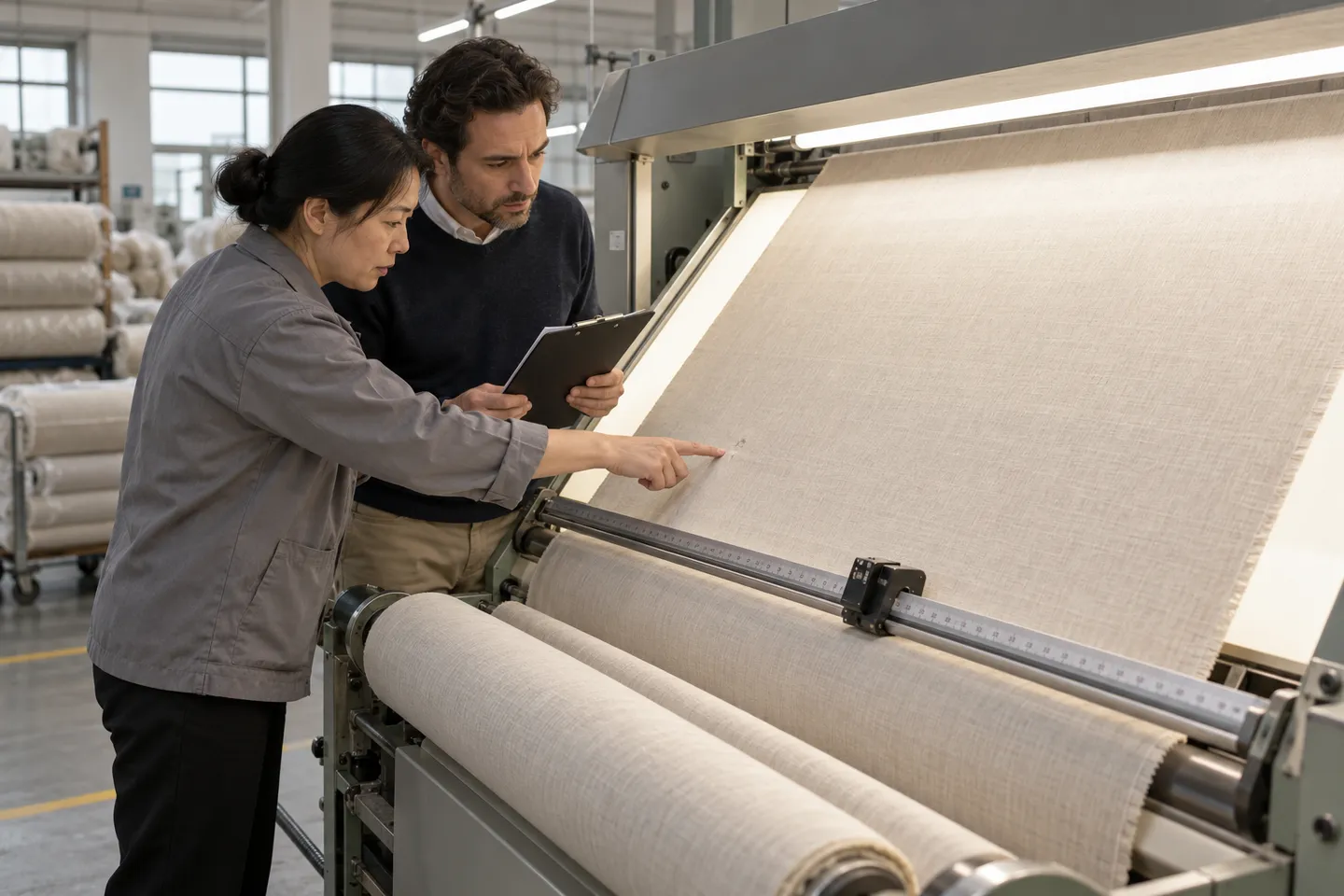
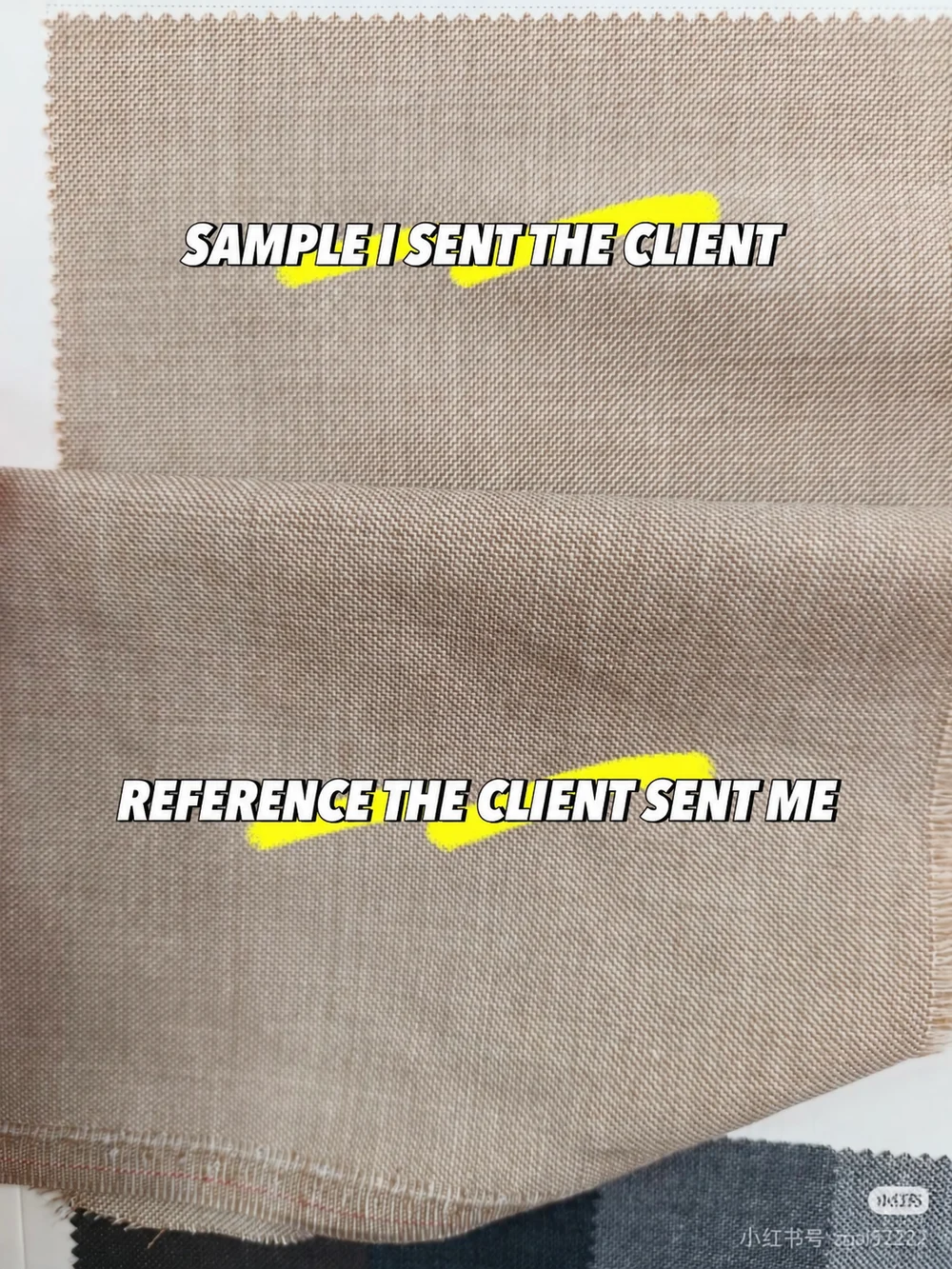
Sourcing expertise includes recognizing the difference between fabrics that look alike and fabrics that behave alike. Similar beige swatches may still differ in drape, recovery, surface treatment and seam performance.
Hand assessment can flag a concern, but it cannot prove that softeners will wash out or that a fabric will cause seam puckering. Those questions need appropriate wash or sewing trials. Likewise, tubular and open-width knits require different width definitions and cutting assumptions.
Good questions include: what garment is this for? Is it worn next to skin? What is the target fabric cost and quantity? Which properties must match, and which may vary? Can the buyer accept a blend or a different MOQ? The clearer the brief, the more useful the shortlist.
Preparing a Fabric Sample Search Brief
Provide a physical swatch where possible, supported by clear photographs and an explanation of the intended garment. Identify the must-have characteristics, acceptable alternatives, estimated quantity, target price basis and deadline.
Agree what the search includes: number of candidates, specification checks, sample-yardage purchasing, delivery and reporting. Separate the agent’s service fee from fabric purchases, laboratory testing and shipping. These terms should be confirmed for the individual request.
Our fabric sample search service costs US$99 and searches for 2–5 matching or similar swatches within 1–3 days after receiving the complete brief and reference photos or physical sample. Courier charges are paid by the customer. Follow the service link below for the request form and scope; sample yardage and bulk ordering are separate.
The Human Search Layer of the Textile Market
Keqiao can be understood as a distributed fabric catalogue whose information is spread across vendors, relationships and physical samples. Swatch runners help translate a buyer’s reference into a smaller set of options that can be evaluated.
Their value lies in making the search more informed and the supplier information more usable. That work supports a purchasing decision; it does not replace testing, sample approval or a clear bulk contract. A small scrap of fabric is the beginning of the process, not the end of verification.
Adapted from the contributor’s account of fabric sourcing practice. Market-size superlatives, guaranteed lead-time reductions and claims that touch alone verifies performance were qualified. The supplied photograph was edited with AI to translate the two main captions.
An explanatory account, not a documented market census or a guarantee of matching, price, availability or supplier quality. Sampling and bulk approval remain separate steps.
Need someone on the ground?
Commission a documented supplier visit with agreed scope and priorities.
YOUR NEXT STEP
Put the details to work.
Estimate an order or turn your specifications into a supplier inquiry.