What Is Cupro Fabric?
Slide your arm into a lined jacket and you can feel one of the reasons buyers specify cupro. A smooth lining lets the sleeve pass over a shirt easily, and in some conditions it clings less than polyester. The same fluid drape can make a good camisole. A lightweight lining that works inside a jacket may still be too sheer to wear on its own.
Cupro is regenerated cellulose made by the cuprammonium process. Bemberg™ is Asahi Kasei’s brand of cupro, made from cotton linters, the short fibers left on cottonseeds. Cupro is the fiber name. Satin, twill and jacquard describe structures, so a cupro satin has both a fiber identity and a weave. [1][2]
Cupro in the Regenerated Cellulose Family
Cotton and ramie are plant fibers used in their existing fibrous form. For regenerated fibers, purified plant cellulose is dissolved and formed again into fibers. The feedstock is only part of the story. The process determines which fiber name applies. [1]
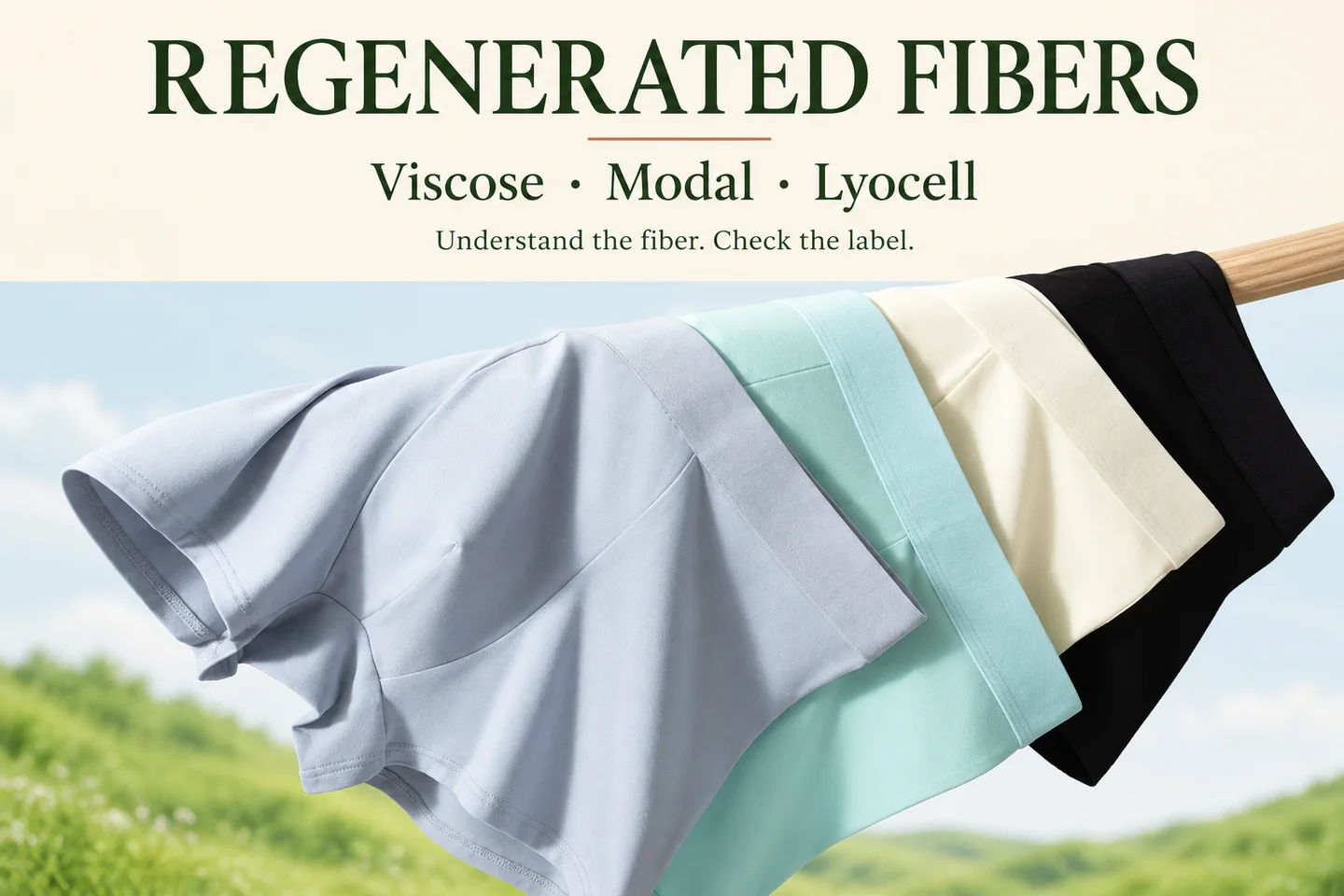
Viscose is made by the viscose process. Modal uses a modified viscose process and is defined in part by its wet modulus and breaking force. Lyocell is produced through solvent dissolution and spinning without forming a cellulose derivative. Cupro uses a copper–ammonia solvent system. Acetate belongs to a separate group of cellulose derivatives: its fiber remains chemically acetylated. Polyester is a synthetic polymer fiber, and silk is an animal protein fiber.
In the cupro fiber process, purified cellulose is dissolved, the spinning solution is filtered and deaerated, and the solution is wet-spun into a bath where cellulose regenerates. The filaments are washed, given a spinning finish and dried. Cotton linters are the documented feedstock for Bemberg. If a supplier describes a different pulp source, ask for its fiber documentation. Ask about chemical recovery and effluent control before making environmental claims about a particular fabric. [2]
Hand, Drape, Moisture and Wear
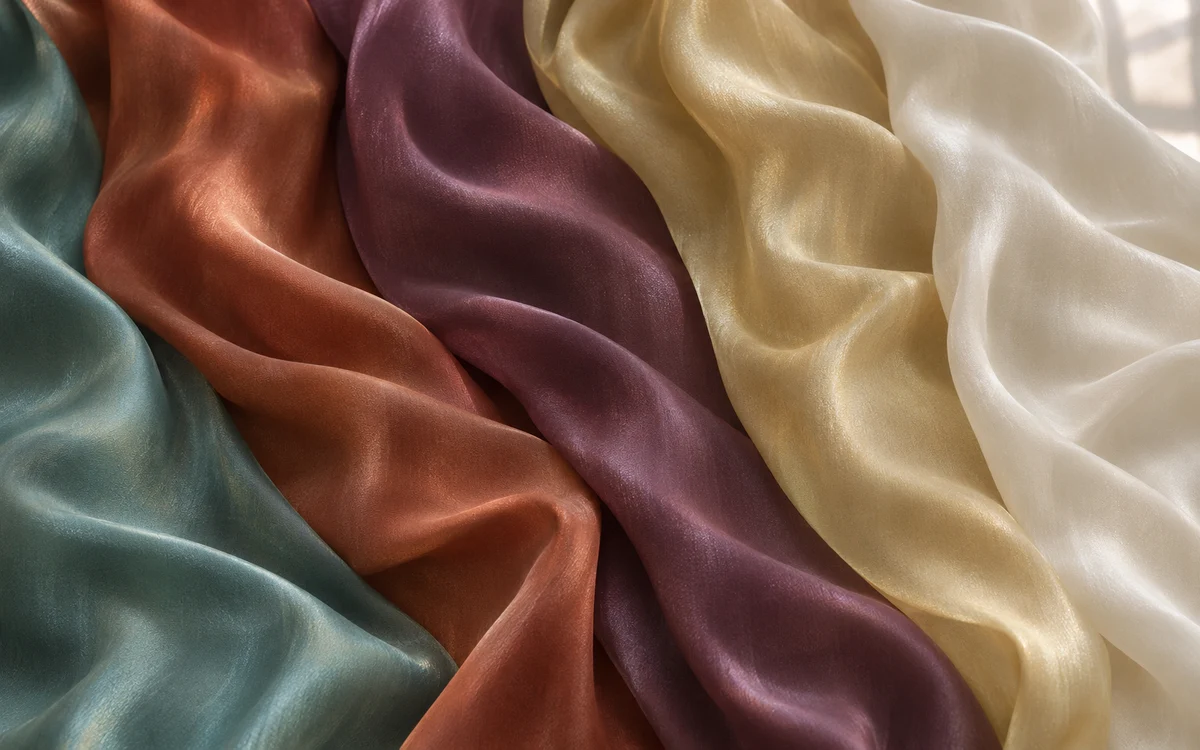
Fine filament cupro can feel soft, smooth and cool on first contact. Satin may show a muted sheen, while other weaves can look matte. Drape depends on the yarn, weave, weight and finish. Hang the swatch next to the shell fabric to see how the two layers move together.
Cupro takes up moisture, which can reduce static cling in some conditions. EU textile composition calculations use an agreed allowance of 13% for cupro. This conventional allowance does not measure airflow or how fast a finished fabric dries. A tight weave or a laminated shell can still limit ventilation. [1]
Delicate cupro fabrics can wrinkle, snag or show surface marks from rubbing. Wet handling needs care. A fine satin may show longer pulled threads than a tighter structure. Follow the care label, avoid chlorine bleach unless the label explicitly allows it, and check the effects of washing or dry cleaning on both the lining and outer fabric.
Cupro vs. Viscose and Polyester for Linings
For a tailored jacket, compare linings under the same shell. A smooth filament lining may slide easily over a shirt, while a lightweight viscose lining may offer the drape you want at a different price. Polyester is also available in slippery, lightweight constructions and can be a practical option when easy care matters. Five minutes handling the actual swatches tells you more than comparing three fiber names on a screen.
| Lining | What to sample | What to test |
|---|---|---|
| Cupro | Fine filament twill or satin for a smooth sleeve and fluid drape | Seam slippage, abrasion and care compatibility |
| Viscose | A comparable light woven lining with the desired hand | Wet handling, shrinkage and shade transfer |
| Polyester | A lightweight plain weave or twill with good slip | Static cling, ventilation and hand under the shell |
Weaving, Knitting and Blend Options
Cupro can be woven into plain linings, twills, satins and jacquards. Fine knits and specialty pile fabrics are also possible. Jacquard forms the motif in the weave; a printed motif is applied afterward. For velvet, ask separately what the pile and ground are made of. A fabric described as “cupro velvet” can use more than one fiber.
The supplied examples include pure cupro and blends with acetate, polyester, viscose and elastane, or wool. Ask for percentages and whether fibers are blended within a yarn or used in separate warp and weft systems. That distinction matters when you want an even color across both faces. With an elastane blend, check stretch and recovery after the intended care cycle.
How Cupro Fabric Is Dyed, Printed and Finished
Start with the greige fabric. The dyehouse identifies the fiber blend and construction, checks width, surface defects and previous finishes, then chooses preparation to remove oils, size or other residues. Test absorbency and whiteness before pale shades. Desizing applies where size is present. Use only the preparation intensity needed and handle wet fabric at controlled tension.
Choose the color route before approving the sample. Piece dyeing colors the whole woven or knitted cloth. A suitable low-tension overflow or other exhaust machine can be trialed, taking care to avoid rope creases and rubbing marks. Yarn dyeing comes before weaving and suits woven stripes, checks and some jacquards. For a solid shade, approve a lab dip on the intended substrate and compare it in the agreed lighting.
The cellulosic component can be trialed with suitable reactive or direct dye systems. With reactive dyeing, the mill controls addition, fixation and wash-off to remove unfixed color. Direct dyeing can simplify some shades, but verify wet fastness and any aftertreatment. On cupro–polyester, cupro–acetate or cupro–wool, the other fiber can require a separate dye class or stage. Ask the dyehouse how it will match both components without harming the more sensitive one. Confirm the process on a trial lot rather than copying a recipe from cotton.
For prints, approve a strike-off on the production fabric. Reactive printing on the cellulosic portion typically involves printing, drying, fixation by steaming where required by the system, and thorough washing. Pigment printing uses a binder and curing. It can suit some blends, though the binder may alter hand and surface rubbing performance. Check print definition, reverse-side appearance, shade, wet and dry rubbing, and any transfer onto a pale shell.
After color approval, the mill rinses and finishes to the required hand and dimensions. Softening, a controlled wash for a relaxed surface, low-tension drying, stenter width control and preshrinking can all be specified if the construction calls for them. Trial any crease-resistant finish against tear strength and drape. For blends that require a heat-setting step, agree conditions with the mill and verify recovery where elastane is present.
Sign off on the finished fabric. Compare bulk with the approved sample for shade, hand, usable width and weight. For a lining, add seam slippage, perspiration colorfastness and transfer onto the shell. For washable garments, check dimensional change and appearance after laundering. Keep an approved bulk cutting with the lot number for reorders.
Where Cupro Works in a Garment
Suit, overcoat and formalwear linings are natural starting points. For dresses, blouses, camisoles, wide-leg trousers and contemporary qipao-inspired designs, choose an outerwear-grade construction with enough opacity and seam strength. Lightweight cupro can also suit pajamas, lounge sets and intimate linings. Some cupro yarns appear in hosiery, and specialty fabrics can be used in bedding or curtains.
For a bias-cut camisole, let the cut garment hang before leveling the hem, then check seam waviness and opacity in daylight. For trousers, test seam slippage at the seat and abrasion where the legs rub. A swatch can feel lovely in the hand and still need a different seam or a denser weave.

Prices, Supplier Leads and What to Request
The supplied purchasing notes give rough examples in mainland China: fabric from tens of yuan to more than CNY 200 per meter, basic shirts around CNY 300–800 and dresses around CNY 800–2,000. Some designer pieces cost much more. These examples are undated and have no common specifications. For a current comparison, request finished-fabric quotes with cupro content, exact yarn brand, usable width, weight, finish, order quantity, stock status and whether the price covers dyeing.
A low quote is a reason to check the composition. Viscose, modal and acetate can produce a similar look, so softness or luster cannot establish fiber identity. Request a composition declaration and, if the label or price depends on the result, consult a lab about a method that can support it. For a Bemberg claim, ask for documentation linking the specified yarn to the lot.
Asahi Kasei produces Bemberg fiber. The contributor also supplied mainland China names as leads for fabric or trading inquiries: Dezhou Huayuan Ecological Technology, Zhejiang Maisha Knitting and Textile, Shaoxing Qilong Textile, Ningbo Haishu Runde Textile, Wuxi Teying Textile, Xuzhou Youhua Textile and Chemical Fiber, Shaoxing Dan’ao Textile, Haiyan Jiayuan Color Technology, Deqing Greenfield Textile and Hangzhou Runyan Textile Technology. These are English renderings of the names provided. Confirm registered names, current products, stock and any brand authorization before placing an order.
Send the same brief to each candidate: end use, care label, construction, color, width, weight, amount per color and required test results. For a lining, include the shell swatch. For a camisole, include the target opacity and a sketch showing whether it is cut on the bias. Approve the sewn result before you commit to bulk.
Sources
Need someone on the ground?
Commission a documented supplier visit with agreed scope and priorities.
YOUR NEXT STEP
Put the details to work.
Estimate an order or turn your specifications into a supplier inquiry.