Is Polyamide Fabric the Same as Nylon?
Yes, on a clothing label, polyamide usually means nylon. Polyamide is the wider polymer family, named for the amide links in its molecular chains. European textile labeling lists “polyamide or nylon” as a fiber name. An 80% polyamide, 20% elastane label tells you the composition of the fabric. It leaves questions like thickness, support and opacity open. [1]
Consider a pair of tights and a windbreaker. Both can use nylon. The tights stretch because of the knit and, often, added elastane. The windbreaker may use a tightly woven nylon with very little give. The fiber name is the same. The fabric you need to order is quite different.
Nylon 6 and Nylon 6,6
Nylon was one of the earliest commercially successful fully synthetic fibers. Nylon 6 and nylon 6,6 are two common types. The numbers refer to the chemistry of their building blocks. Nylon 6 is typically made by opening the ring of caprolactam, while nylon 6,6 is made from a diamine and a diacid. Nylon 6,6 generally has a higher melting point. For a mill, that distinction matters when selecting processing conditions. [2]
For a buyer choosing between two finished swatches, filament fineness, yarn texture, fabric construction and finishing are usually easier to evaluate than the polymer type. A fine-filament jersey can feel smooth and supple. A heavier woven nylon can feel firm enough for a jacket or bag. Ask about the nylon grade when you need to match an existing quality or reproduce a particular dyeing or finishing process.
How Polyamide Feels and Performs
Abrasion resistance is one reason to sample nylon for close-fitting apparel and outerwear. Its yarns can be fine and light, and textured yarns can add bulk without making the fabric feel stiff. To judge durability, rub and wash the finished swatch. Pilling, snagging and abrasion are separate problems, and a nylon blend can perform differently on each.
Stretch also needs its own check. Knit loops or textured yarns can give a fabric some stretch. Elastane often supplies the additional stretch and recovery needed for leggings, swimwear and fitted sports bras. Pull the fabric across its width and along its length, then see how quickly it returns. Repeat the check after laundering.
Static can be noticeable in dry conditions. Excess heat can damage the fabric or its elastane, and prolonged outdoor exposure can affect color and strength. Follow the care label, especially when tumble drying or ironing. For outdoor use, ask for test results on the actual shade and finish.
Polyamide vs. Polyester for Activewear
Start with what the garment needs to do. For yoga leggings, compare hand, stretch opacity and recovery at the knees. For a running tee, put drying time, airflow and wet cling ahead of the fiber name. Nylon generally takes up more moisture within the fiber than polyester. Wicking measures how water moves through the fabric, and drying depends on how much water the finished fabric holds, its structure and the conditions. A light nylon knit can dry quickly, while a dense polyester knit can hold water in its structure.
For a useful comparison, sample fabrics of similar weight and construction. Comparing a brushed nylon interlock with a light polyester mesh tells you plenty about those swatches, but very little about fiber choice by itself.
| What to compare | Polyamide (nylon) | Polyester |
|---|---|---|
| Hand and abrasion | A useful starting point for smooth, abrasion-resistant fabrics | Available in soft or textured grades. Check abrasion on the swatch. |
| Moisture and drying | Generally absorbs more moisture into the fiber | Generally absorbs less into the fiber. Check wicking and drying on both fabrics. |
| Stretch and recovery | Depends on construction, elastane and finishing | Depends on the same variables |
| Typical uses to sample | Leggings, hosiery, lingerie and lightweight shells | Running tees, teamwear, fleece and swimwear |
What Clothes Commonly Use Polyamide?
Yoga leggings, cycling shorts and fitted sports bras often use nylon–elastane knits for smooth contact with the skin and freedom of movement. Try the garment under bright light while it is stretched. An opaque swatch on a table can become sheer at the seat.
Swimsuits use stretch nylon blends as well as polyester blends. For frequent pool use, ask for chlorine resistance and recovery results on the complete fabric, including the elastane. Hosiery, tights, seamless underwear and lingerie make good use of fine nylon yarns. Check how the fabric feels at seams, waistbands and edges.
Windbreakers, hiking trousers and jacket linings can use woven nylon. A dense weave helps limit airflow. Rain protection depends on the finish, coating or membrane and, for a waterproof garment, the seams. Ask for the relevant fabric and garment tests if you intend to make a weather protection claim.
Dyeing, Shade Matching and Recycled Nylon
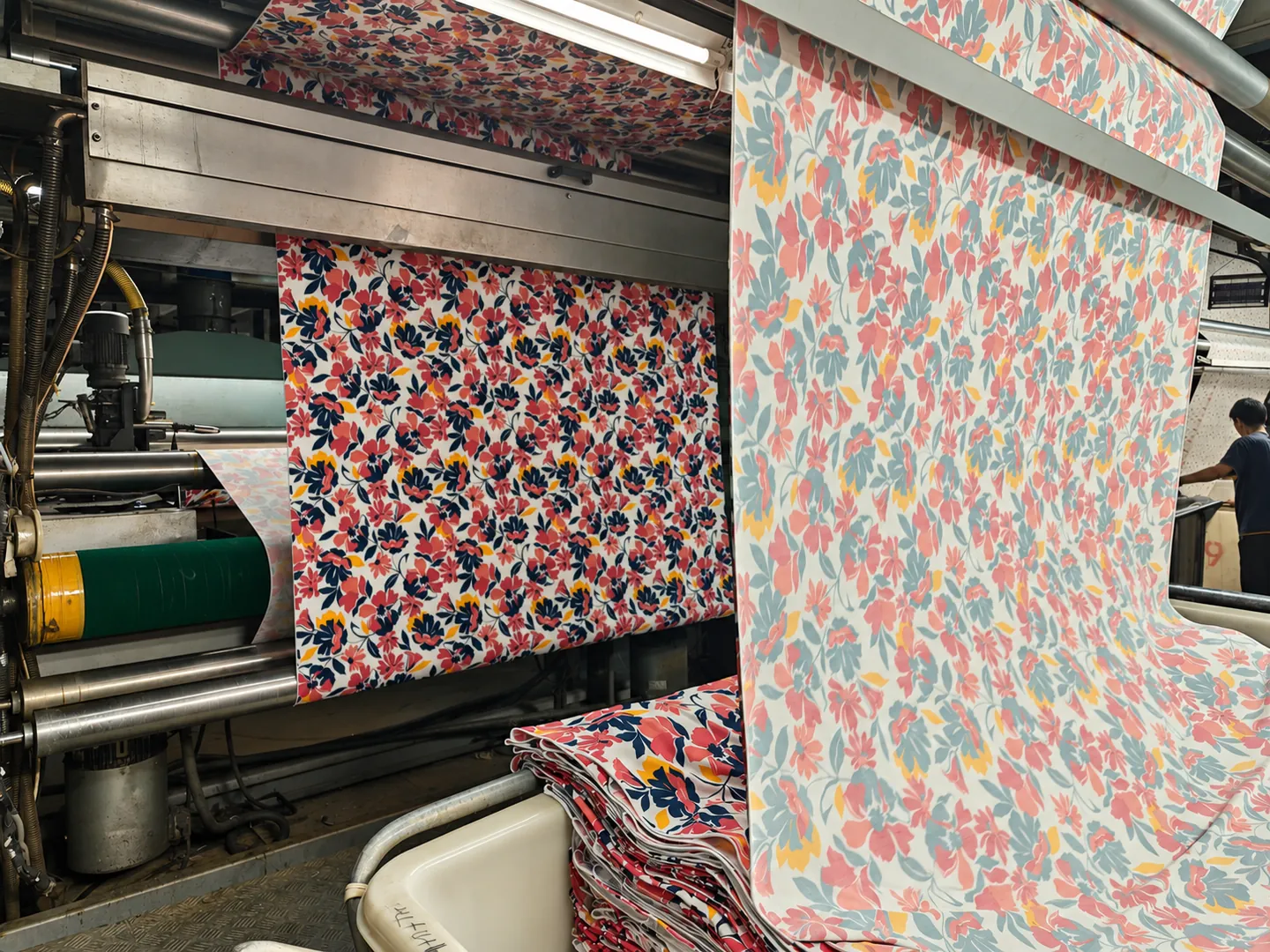
Nylon is commonly dyed with acid dyes, while polyester generally uses disperse dyes. Each route has its own process controls. With nylon, changes in yarn lot, dye affinity or process conditions can show up as uneven shade. Agree an approved color sample and ask for the fastness tests that match the use, such as laundering, perspiration or pool water. Dye uptake alone tells you little about whether the shade will stay put.
Conventional nylon is generally fossil-derived and persists after disposal. Recycled nylon may come from manufacturing scrap or recovered products such as fishing nets. Some polyamides can also use bio-based feedstocks. For a sourcing claim, ask for the recycled or bio-based percentage and documentation for the lot you are buying. Check whether the elastane blend or coating limits recycling options at the end of use.
What to Put in a Polyamide Fabric Inquiry
Give the mill a garment reference, target weight, usable width and the required stretch and recovery in both directions. Ask for the nylon and elastane percentages, fabric construction, finish and color. For leggings, approve opacity and recovery on a sewn sample after washing. For a shell, specify abrasion and weather performance separately.
Keep an approved swatch from the sample lot. When bulk arrives, compare it with that swatch for hand, shade, width and weight, then repeat the performance checks that matter to the garment.
Sources
YOUR NEXT STEP
Put the details to work.
Estimate an order or turn your specifications into a supplier inquiry.