Three Pathways from Screen to Wardrobe
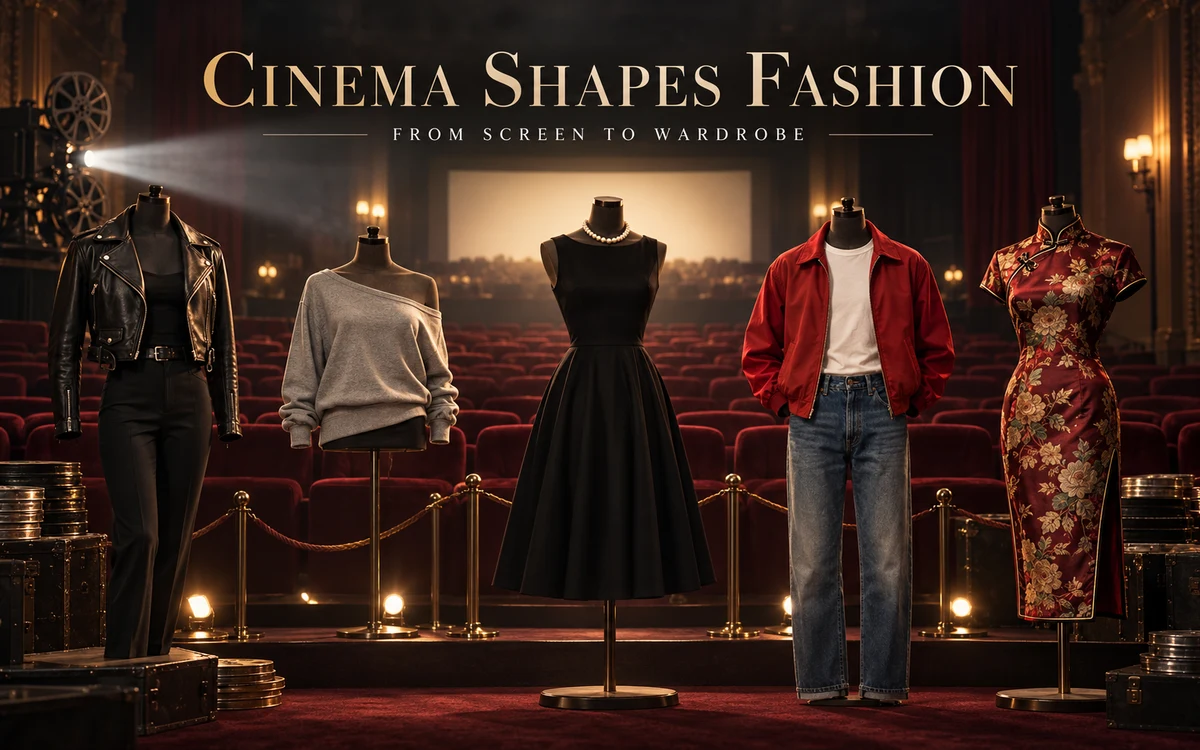
Cinema does not merely create iconic garments; it fundamentally transforms how people dress. Film influences fashion through at least three primary pathways: on-set accidents giving birth to novel silhouettes, classic hero items redefining product categories, and cultural symbols propagating across the global supply chain.
On-Set Accidents That Sparked New Silhouettes — Grease
How a Fitted Leather Jacket Fuelled the Retro It-Girl Aesthetic
Did you know that today’s wildly popular "It-girl" aesthetic—featuring cropped moto jackets paired with hyper-fitted leather pants—was actually born out of an on-set mishap?
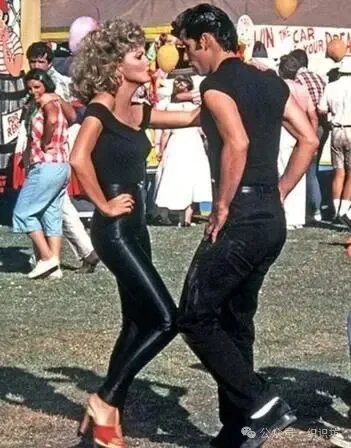
Upon its release in 1978, Grease became the third highest-grossing film in cinematic history at the time, trailing only Jaws and Star Wars. The black leather ensemble worn by female lead Sandy Olsson in the finale stands as the film’s most iconic look, symbolizing her transformation from the good girl next door to a bold rebel.
In reality, those leather pants were a vintage piece from the 1950s with a broken zipper that could no longer function. To preserve the original fabric, the costume designer opted to sew the pants directly onto the actress right before filming, achieving an ultra-cinched silhouette. The final look captured on screen delivered razor-sharp lines and an impeccably fitted contour—far more striking than the garment's original design.
Following the film's premiere, waist-cinched cropped moto jackets and matte faux-leather slim-fit pants instantly exploded into global bestsellers.
Flashdance: Shrunk Sweatshirts and the Off-the-Shoulder Trend
Garment design innovation can be remarkably simple: a slightly cropped hemline, a more defined waist, tighter pants, a thinner fabric...
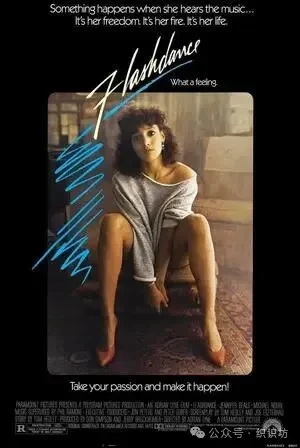
The off-the-shoulder sweatshirt worn by the lead actress in the 1983 film Flashdance became a global phenomenon. In reality, this piece was never intentionally designed for the screen. It was actress Jennifer Beals’s own personal, worn-in sweatshirt, which shrank drastically in high-heat laundry on set, leaving the neckline uncomfortably tight and distorted. To make it wearable, she took a pair of scissors on impulse and cut open the collar.
The slouchy, draped shoulder line combined with the washed, lived-in texture infused hoodies and sweatshirts with an effortless, relaxed vibe for the very first time. Wearing it off one shoulder added a layer of understated, subtle allure. As soon as the movie hit theaters, off-the-shoulder sweatshirts exploded in popularity worldwide.
Classic Hero Items Redefining Categories — Breakfast at Tiffany’s
This story proves once again that design innovation in apparel does not necessarily stem from complex tailored structures or exorbitant raw materials. Adjusting a neckline, altering shoulder proportions, modifying a hemline length, or tweaking a wash effect—or simply reshuffling a few basic variables—can completely unlock new aesthetic value in an everyday essential.
Films rarely invent entirely new garments; rather, they unshackle an existing staple from its traditional stigma, introducing it into an entirely new consumer scenario.
The Little Black Dress as an Essential Wardrobe Staple
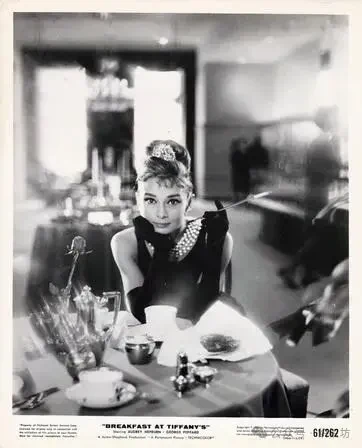
In Europe prior to the film's release in 1961, social evening wear was dominated by vibrant hues and intricate lace, while black was strictly reserved for solemn funerals and mourning. However, the sleeveless Givenchy little black dress (LBD) worn by Audrey Hepburn in Breakfast at Tiffany's completely shattered the world's stereotype surrounding black attire. It was precisely its clean, structured tailoring, minimalist lines, and elevated matte fabric texture that enabled the LBD to transcend eras, ages, styles, and occasions—solidifying its status as a timeless, perennial category in fashion history.
Rebel Without a Cause: Red Jacket + White Tee Defining Youth Rebellion
Thus for designers, timeless classicism can boil down to minimalist lines paired with elevated fabric textures, combined with a spark of imaginative disruption—even if it's merely a shift in color.
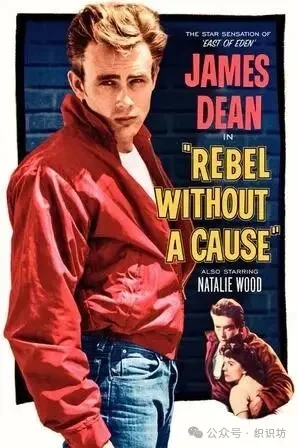
Prior to the film's release in 1955, undershirts were relegated strictly to hidden innerwear, while denim jeans served purely as utilitarian workwear for blue-collar laborers. However, when James Dean anchored his onscreen persona of rebellious, free-spirited youth with a simple ensemble—a red McGregor Harrington jacket, a crisp white T-shirt, and blue denim jeans—T-shirts and jeans accelerated their departure from their mundane roots. The look transformed casualwear into a powerful medium for teenage self-expression, laying the foundational aesthetic for decades of American streetwear to come.
Cultural Symbols Across the Supply Chain — In the Mood for Love
Looking back today, this blueprint stands as a textbook example of essentialwear commercialization: a streamlined product matrix, versatile wearability across diverse lifestyle scenarios, low styling barriers for consumers, and the ability to scale rapidly through mass production.
Under this exact same logic, the bomber jacket—fueled by repeated cinematic exposure in classics like Top Gun and Léon: The Professional—evolved into a perennial hero staple spanning over half a century.
The former relied on precision tailoring and elevated fabric textures to liberate the color black from historical taboos; the latter leveraged versatile pairing logic to unshackle everyday basics from purely functional labels. One executed through subtraction; the other through recombination.
Cheongsam from Stage Costumes to International Haute Couture
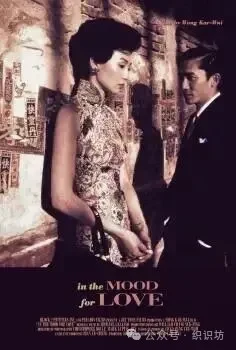
Prior to 2000, the cheongsam (qipao) was largely relegated to stage performances and vintage evening wear, remaining a niche choice in daily wardrobes with a dwindling market presence. However, the film's ensemble of over twenty bespoke cheongsams—crafted with intricate silk jacquards, subtle jacquard motifs, and razor-sharp darting—crystallized the quiet, restrained elegance of Eastern aesthetics to perfection.
From Cultural Influence to Fabric and Silhouette Decisions
In the two decades following the film's release, fueled by China's growing global stature and cultural influence, couture houses such as Yves Saint Laurent, Givenchy, and Chanel have continuously drawn inspiration from the film—incorporating diagonal plackets, frog buttons, mandarin collars, and cinched-waist cheongsam silhouettes into their ready-to-wear and runway collections.
For modern Chinese-style apparel (Neo-Chinese Style) to move beyond mere superficial stacking of heritage elements, it must simultaneously address three dimensions: the refinement of traditional culture, the reconstruction of modern silhouettes, and the elevation of fabric textures.
Three Practical Frameworks for Fashion Design
Ultimately, these cinematic case studies leave us with more than just silver-screen lore—they offer three actionable analytical frameworks:
Look at on-set accidents, not just design sketches. Many explosive, hit silhouettes stem from emergency on-set modifications rather than precise calculations in a design studio.
Look at micro-adjustments on essentialwear, not just haute couture. Opening a neckline by two centimeters, cropping a hemline by three, or dropping a shoulder line by an inch drives commercial volume far more effectively than complex tailoring structures.
Look at the propagation path of cultural symbols, not just short-term SKU sales. The trajectory of an element traveling from the silver screen to couture runways and onto retail ready-to-wear racks follows a clear timeline and pathway. Positioning raw materials and manufacturing techniques ahead of time is far more effective than chasing fleeting trends.
Trends shift instantly, but hit garments that truly endure time always carry inherent lifestyle scenarios, emotional resonance, and narrative power. And the silver screen remains the apparel industry’s most discreet yet precise decoder of trend forecasting.
YOUR NEXT STEP
Put the details to work.
Estimate an order or turn your specifications into a supplier inquiry.