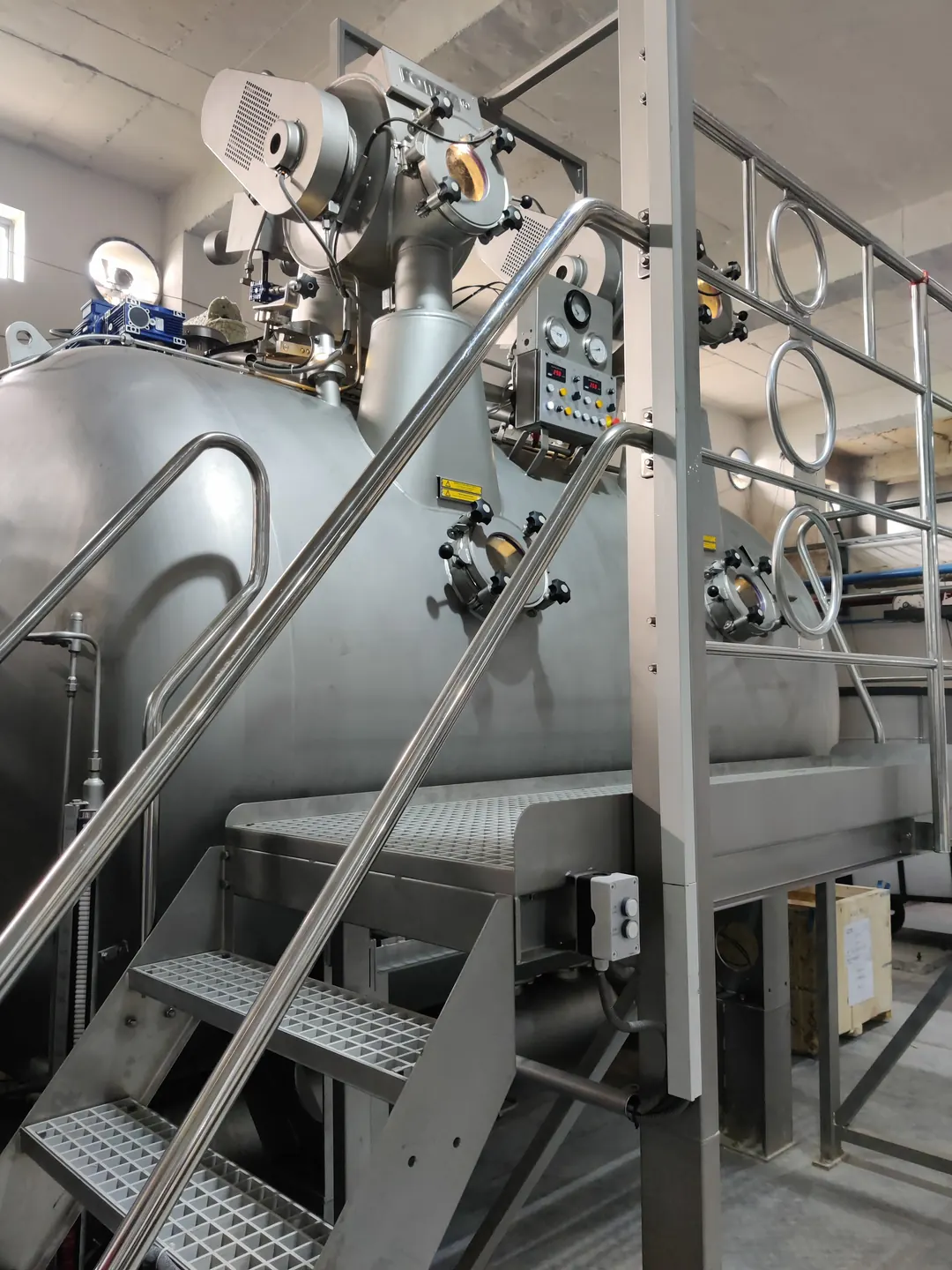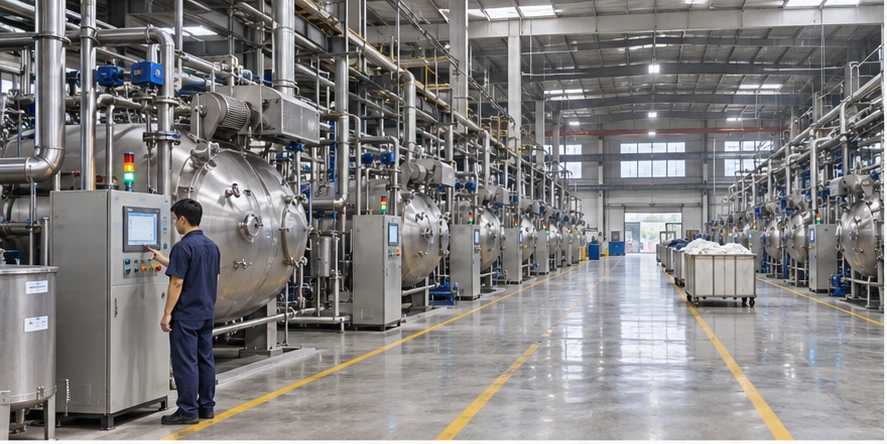
From above half to below half in seven days
Shaoxing sample dyeing enterprises recorded an operating rate of 48.89% on November 12, 2026, according to Longzhong Information’s weekly monitoring release. The rate fell 2.78 percentage points from the previous week’s 51.67%, moving below the 50% mark. [1][2]
On November 5, the rate had already fallen 2.22 percentage points week on week and was 16.66 percentage points below the corresponding year-earlier reading. The November 12 release reports a year-on-year decline of 17.78 percentage points. Those are separate weekly comparisons. [1][2]
Longzhong reports the Shaoxing figure within its Jiangsu-Zhejiang dyeing sample series. The published figure is an indicator for the monitored enterprises. The public excerpts do not establish that exactly 48.89% of all dyeing vats across Shaoxing were operating. [1][2]
| Reporting date | Shaoxing operating rate | Weekly change | Yearly change |
|---|---|---|---|
| November 5, 2026 | 51.67% | −2.22 percentage points | −16.66 percentage points |
| November 12, 2026 | 48.89% | −2.78 percentage points | −17.78 percentage points |
Weak orders leave mills waiting for work
The market commentary supplied for this article describes a combination of sparse orders and intense competition for the work that remains. When textile and apparel demand weakens, customers can delay fabric purchases or reduce production, narrowing the flow of orders into dyeing.
For a mill with fewer bookings, some machines may sit idle while staff, maintenance and financing obligations continue. The practical question shifts from choosing the most attractive orders to finding enough compatible work to keep production moving.
This is the demand-side explanation offered by the commentary. The weekly operating-rate releases confirm lower activity, but the readings alone do not establish how much of the decline comes from demand, scheduling, maintenance or other factors.

Dyeing-fee competition puts pressure on margins
With fewer orders to share, mills may lower dyeing fees to keep customers and bring in cash. Labor, equipment upkeep and working capital still have to be funded. A lower selling price becomes harder to absorb if those costs have not fallen with it.
The supplied account describes the dilemma in stark terms: running the factory can mean losing money each day, while stopping can feel even more expensive. That statement captures the pressure described by the account. The material does not include audited financial results or an independently attributable interview showing that every Shaoxing mill is operating at a loss.
Under low utilization, fixed costs are spread over fewer productive batches. If accepting a cheap order still covers enough incremental cost, a mill may choose to run it while waiting for demand to recover. Other orders may consume cash the business can no longer spare. The choice depends on the mill’s costs, order mix and payment terms.
Lower utilization can feed back into the cost problem
The weekly decline widened from 2.22 percentage points in the November 5 release to 2.78 percentage points in the November 12 release. That is a steeper fall across these two observations, though two weeks cannot establish the full direction of the market. [1][2]
The economic pressure is easier to understand at batch level. Running small or poorly matched batches can leave more cost per unit of finished cloth. Lower quoted fees then reduce the room available for reprocessing, rejected lots or late customer payments.
The original commentary treats utilization below 60% as a point where margins become compressed and below 50% as a point of greater cash-flow pressure. Those percentages are broad warning levels in that account. A mill’s break-even point depends on its equipment, energy costs, financing and product mix.
A regional signal with an uncertain next step
Shaoxing’s concentration of dyeing activity makes the weekly series relevant to buyers following the regional supply chain. A fall below half in the monitored sample is a reason to look more closely at bookings, lead times and supplier finances.
The supplied commentary sees weak orders as a demand problem and fee undercutting as a competitive problem. Together they can keep mills under pressure even when some production continues.
If orders remain weak and fee competition persists, utilization could fall further. A recovery in bookings could change the position. The November 12 reading gives a dated view of activity; subsequent releases and actual mill schedules will determine whether that weakness continues.
What does the downturn mean for fabric buyers?
In the near term, lower utilization may give buyers more room to negotiate a dyeing quote. Check what is included before treating the reduction as a saving. Fabric specification, lot size, shade depth, finishing requirements, testing and reprocessing terms still affect the price.
Over a longer period, closures or reduced staffing could leave fewer suitable slots when demand returns. That is a possible outcome if capacity exits accelerate. The weekly operating-rate data alone cannot establish whether it will happen or when.
For a planned order, ask the mill to confirm the production window and the steps it will carry out in-house. Retain an approved shade and finishing reference, and review how the supplier will handle a repeat batch. A low fee is easier to assess when the delivery and quality commitments are equally clear.
Will today’s low fees become tomorrow’s delivery pressure?
The prolonged downturn gives buyers a difficult balance to consider. A quieter mill may offer a better price now, while a supplier that cuts too far may struggle to maintain the capacity or service a later order needs.
Watch for a recovery in orders alongside the published operating-rate series. Confirm production commitments with the supplier you will actually use. The direction from here depends on demand, available capacity and whether mills can restore workable margins.
Comparison of Longzhong Information weekly sample operating-rate releases published on Mysteel, dated November 5 and November 12, 2026, alongside the market commentary supplied for this article.
Shaoxing sample dyeing-enterprise operating rates, reported weekly in percent. Sample size and detailed measurement method are not available in the public excerpts. Pricing, losses and demand explanations are commentary rather than audited sample financial results.
Sources
YOUR NEXT STEP
Put the details to work.
Estimate an order or turn your specifications into a supplier inquiry.