Both Say “100% Cotton”—Why Do They Feel So Different?
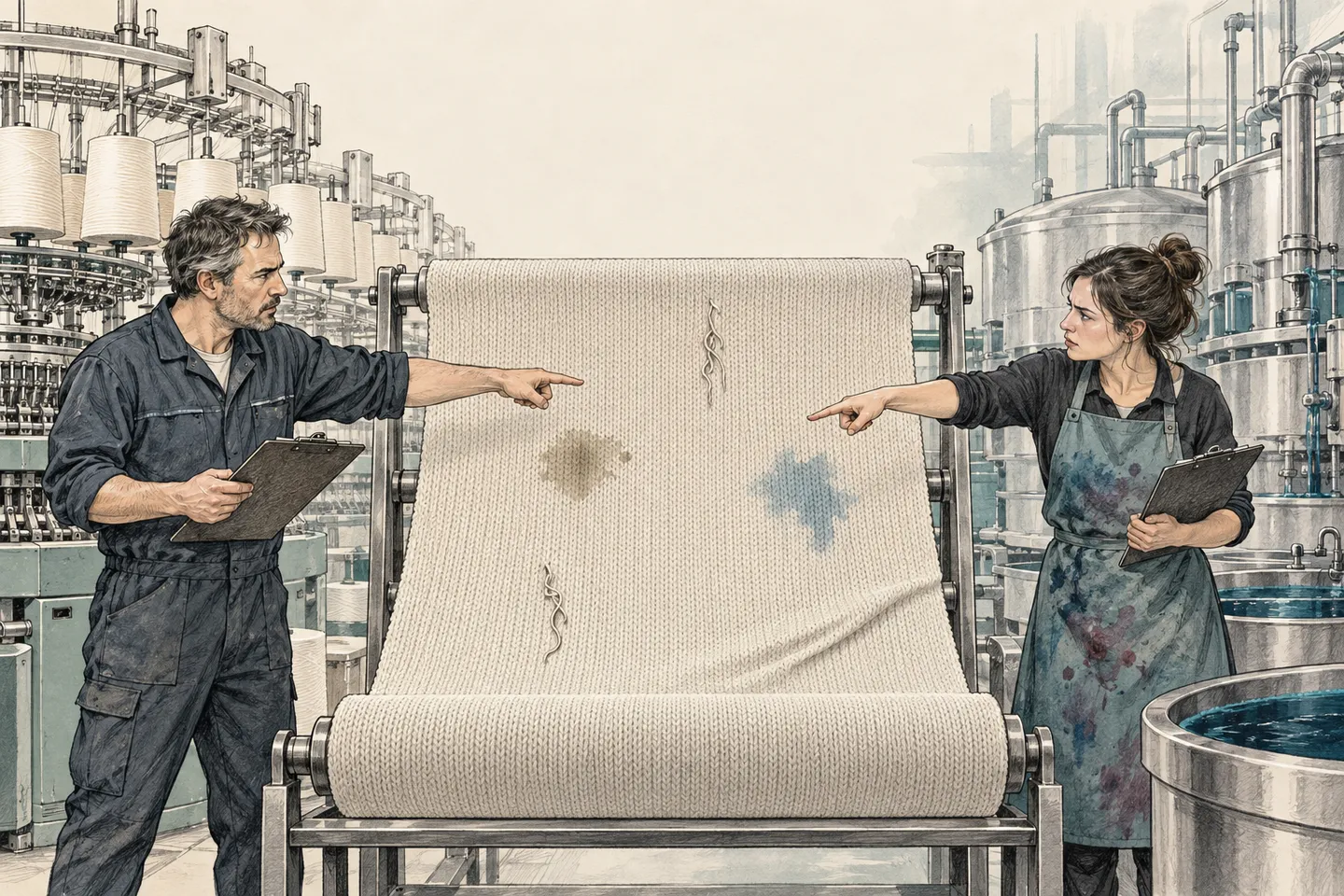
A $7 pair of jeans and a $70 pair can carry the same fiber-content label yet feel, fade and wear very differently. Cotton content does not describe yarn quality, fabric construction, garment fit or finishing. The denim wash process can make a major difference to softness, surface color and the character of a vintage effect—but it is not the only explanation for the retail price gap.
Fabric, sewing, trims, quality control, order volume, distribution and branding all contribute. A deliberately stiff raw-denim garment can also be a premium product. Judge whether the finish achieves the intended result, rather than equating maximum softness or maximum processing with quality.
Normal Wash: The Basic Starting Point
A basic garment wash can remove loose surface material and soften denim, sometimes incorporating desizing and other preparatory steps. Desizing must match the size chemistry; a warm detergent wash alone is not a universal recipe. The submitted manuscript gives 30–45°C and 30–60 minutes as examples, not settings to apply to every fabric.
A light wash may leave the indigo shade largely intact without producing strong vintage contrast. Incomplete preparation or rinsing can affect handle and subsequent processing, but stiffness or blue wash water alone cannot identify the exact failure. Residual dye transfer should be evaluated against agreed colorfastness requirements.
Stone Wash: Classic Abrasion and Vintage Character
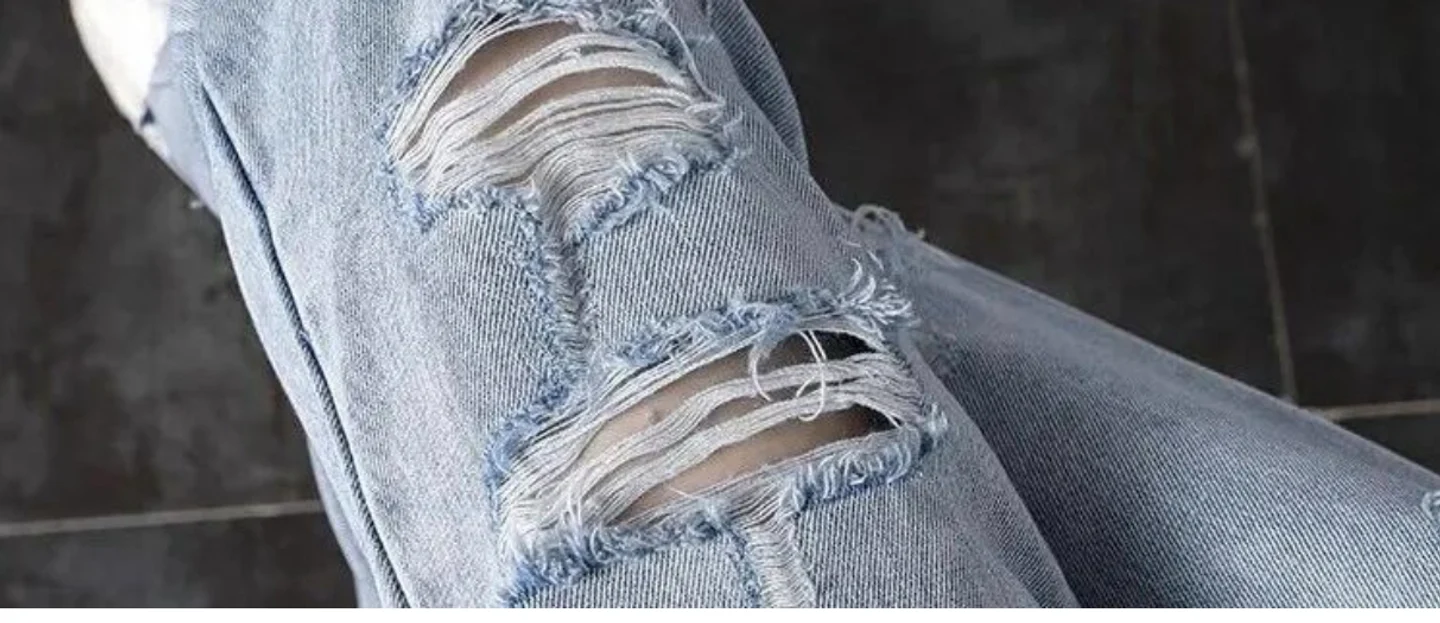
Stone washing tumbles garments with pumice to accelerate fading and soften the surface. Mechanical contact removes some surface fibers and color, giving irregular worn effects. Results depend on fabric, load, stone characteristics, time and the rest of the process—not simply on tumbling longer.
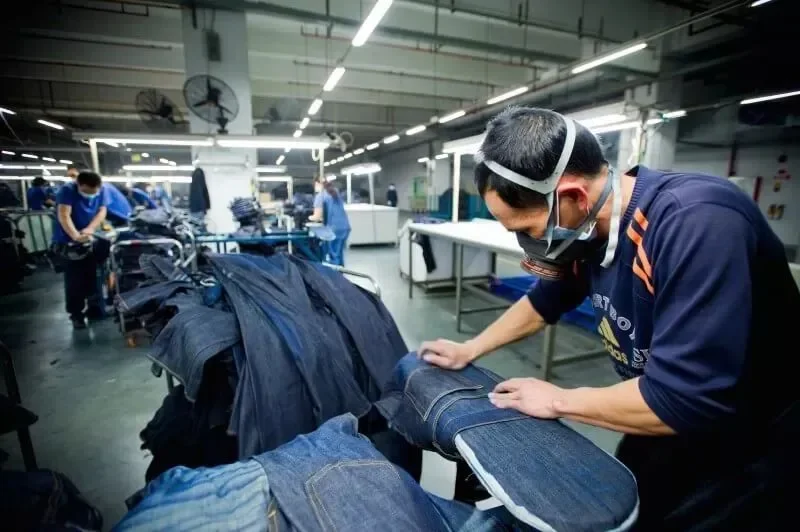
Pumice handling, debris removal, machine wear and rinsing all affect cost and control. Uneven abrasion can create unwanted damage, especially around vulnerable seams and edges. Inspect pockets for grit and compare the approved shade and strength with a production sample. Precise resource use needs measured batch data, not a universal liters-per-pair figure.
Enzyme Wash: Controlled Surface Modification
Cellulase acts on the cotton fiber surface and can help release surface indigo during mechanical processing. Enzymes may replace some pumice or be used in combination with it; they do not simply dissolve dye or guarantee exactly the same result as stones.
With suitable process control, enzyme treatment can develop a softer surface and controlled washdown. Excess treatment can still reduce strength, and backstaining must be managed. Enzyme choice, pH, temperature, time, agitation and deactivation all matter. It is a different tool for the intended finish, not an automatic quality upgrade for every style or price point.
Sand Wash: Define the Finish Before Quoting
“Sand wash” is not a sufficiently precise production specification. Suppliers may use the term for different routes to a matte, softened or finely napped appearance. Ask what abrasive or chemical system, equipment and process sequence will actually be used, and approve a physical reference.
Do not confuse wet or enclosed abrasive finishing with dry sandblasting. Airborne silica dust can create serious occupational hazards; a vintage appearance does not justify uncontrolled exposure. For any abrasive route, assess surface consistency, residual material and strength loss, especially on lightweight denim.
Snowflake or Acid Wash: High-Contrast Effects
Snowflake or acid-wash looks can be produced by localized bleaching, including tumbling with chemically treated stones. The historical name does not specify one universal chemical recipe. Potassium permanganate is one oxidizing route; chemical selection, dosing, handling, subsequent treatment and rinsing require qualified process control.
The appeal is an irregular high-contrast pattern rather than even overall fading. Poor control can cause excessive strength loss or inconsistent appearance. Do not interpret a dry contact stage as a water-free complete process: later cleaning and wastewater treatment remain relevant. This effect is neither always the most expensive finish nor confined to premium-price jeans.
Denim Wash Process Comparison
The manuscript supplied the indicative processing ranges below. They are not independently verified current market quotations: supplier, country, currency terms, garment weight, order volume, wash intensity, compliance costs and the full operation sequence can change them substantially. Use them to frame questions, not to set a purchasing budget or infer a garment’s retail tier.
For comparable pricing, send the same unwashed garment, approved target finish and performance requirements to each laundry. Ask which preparation, washing, neutralization where applicable, drying, handwork and inspections are included.
| Wash type | Main approach | Typical visual direction | Manuscript example / pair |
|---|---|---|---|
| Normal wash | Preparation and basic washing | Limited washdown | $0.30–$0.70 |
| Stone wash | Pumice abrasion | Irregular fading | $0.70–$2.10 |
| Enzyme wash | Cellulase-assisted surface treatment | Controlled washdown | $1.10–$2.80 |
| Sand wash | Supplier-defined abrasive or softening route | Matte or napped finish | $1.40–$2.80 |
| Snowflake / acid wash | Localized bleaching | High-contrast patches or speckles | $2.10–$4.20 |
Why a Multi-Stage Wash Can Cost More
An enzyme base wash, localized fading and hand-finished whiskers require a different sequence from a simple rinse or softening wash. Extra handling, sampling, shade approvals, rejects, treatment and quality checks can add costs. The original manuscript’s $4–$7 multi-stage example illustrates that possibility; it is not a verified universal fee.
There is no fixed rule that washing exceeds 30% of manufacturing cost, that a $70 pair uses only $3–$4 of fabric, or that the wash cost must differ by six to ten times. Request a cost breakdown for the actual order. More steps should deliver a defined benefit, not merely a more elaborate process description.
How to Evaluate Denim Quality in Person
Feel the whole garment, including seams, knees and treated areas. Compare softness, roughness and uneven patches against the intended design; hand-feel alone cannot identify the wash chemistry. Look at fade transitions, symmetry where required, unwanted streaks and damage around pockets and seams.
Check pockets for debris, inspect stitching after finishing and compare measurements before and after the recommended cleaning cycle. Clean pockets indicate cleaning quality, not proof that enzyme processing was used. A strong or unusual odor deserves follow-up, but smell cannot identify potassium permanganate, prove safe residues or establish a “normal enzyme” finish. Request appropriate testing instead of relying on odor-based diagnosis.
Where Laser Finishing Fits In
Whiskers and faded artwork may be created by laser before additional wet finishing. A modern process can combine digital marking with a milder wash to achieve both visual detail and a suitable handle. That makes the distinction between “washed” and “laser finished” less binary than a product description may suggest.
Our earlier denim guide explains how CO2 lasers create these patterns, their limitations and the checks buyers should make when comparing them with traditional methods. Read it alongside this wash comparison to assess the complete finishing route.
Specify the Result, Not Just the Wash Name
Approve a physical shade and handle reference, then define acceptable variation, garment measurements and strength requirements. Confirm the actual process route, any outsourced laundry, cleaning and residue requirements, and the cost of sampling. Ask for appropriate colorfastness, dimensional-stability and strength evidence before accepting bulk production.
The best finish is the one that consistently delivers the intended look and comfort without unacceptable damage or uncontrolled processing. A cotton label is only the beginning of that assessment; the quality of execution matters far more than a wash name or retail price alone.
Edited from the contributor’s complete manuscript. General process mechanisms checked against industry primary references. Unsubstantiated association attribution, retail-tier guarantees, universal cost shares and smell-based process diagnosis removed. Submitted cost ranges retained as explicitly unverified illustrations.
Not a chemical recipe, current quotation, workplace safety assessment or laboratory evaluation. Finishing results and resource use depend on the actual garment and complete process.
Sources
YOUR NEXT STEP
Put the details to work.
Estimate an order or turn your specifications into a supplier inquiry.